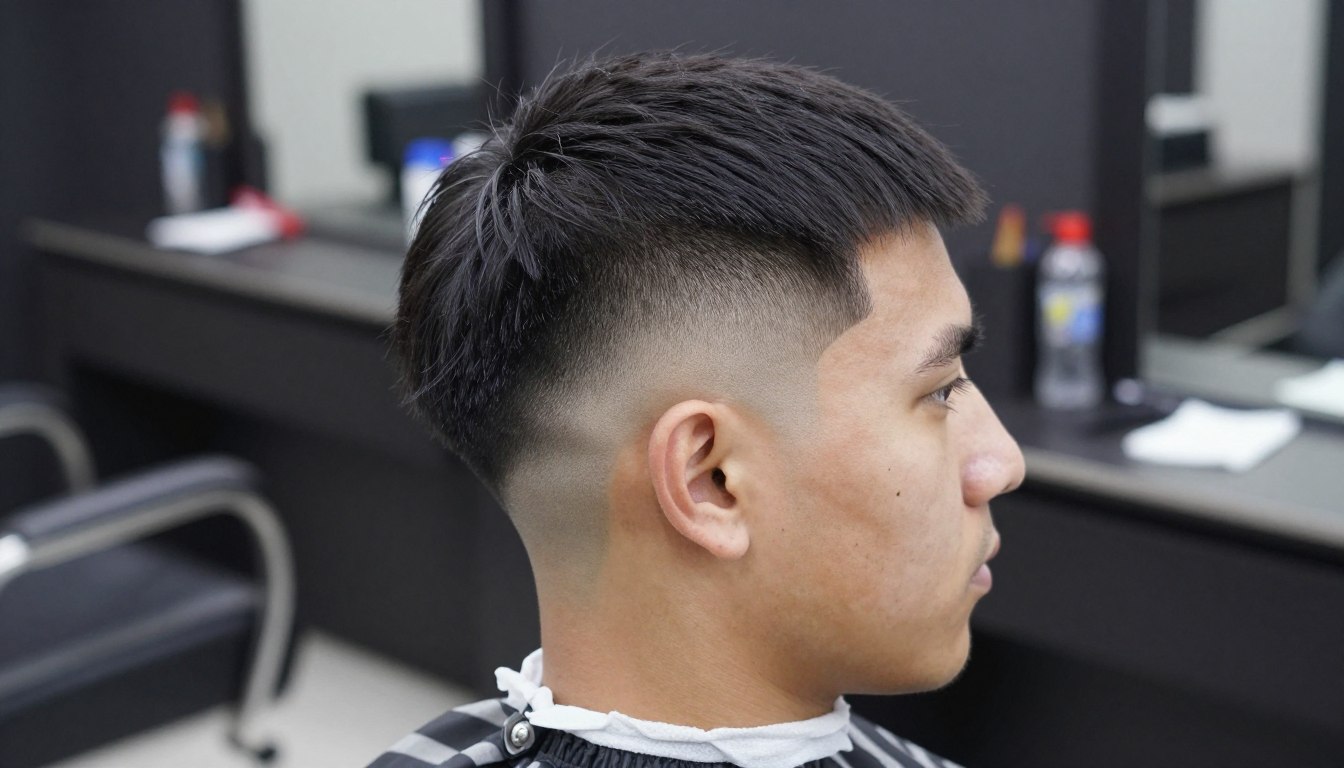
The skin fade haircut has become one of the most requested styles in barbershops across the United Kingdom. This modern cut combines clean lines with a gradual transition that creates a sophisticated look suitable for any lifestyle.
Whether you work in a corporate office or prefer casual settings, understanding this versatile style helps you make informed decisions about your next haircut. The fade offers a fresh, polished appearance that works with various hair types and face shapes.
This comprehensive guide explains everything you need to know about skin fades. You’ll discover what makes this style unique, explore different variations, and learn essential maintenance tips to keep your look sharp between barbershop visits.
Understanding the Skin Fade: Definition and Key Characteristics
A skin fade haircut is a precision cut where hair gradually transitions from longer length on top to extremely short sides and back. The defining feature is the fade down to the skin level, creating a seamless gradient effect.
Unlike standard haircuts with uniform length, the skin fade requires expert technique. Barbers use multiple clipper guards to create smooth transitions between different hair lengths. The result is a clean, contemporary look with sharp definition.
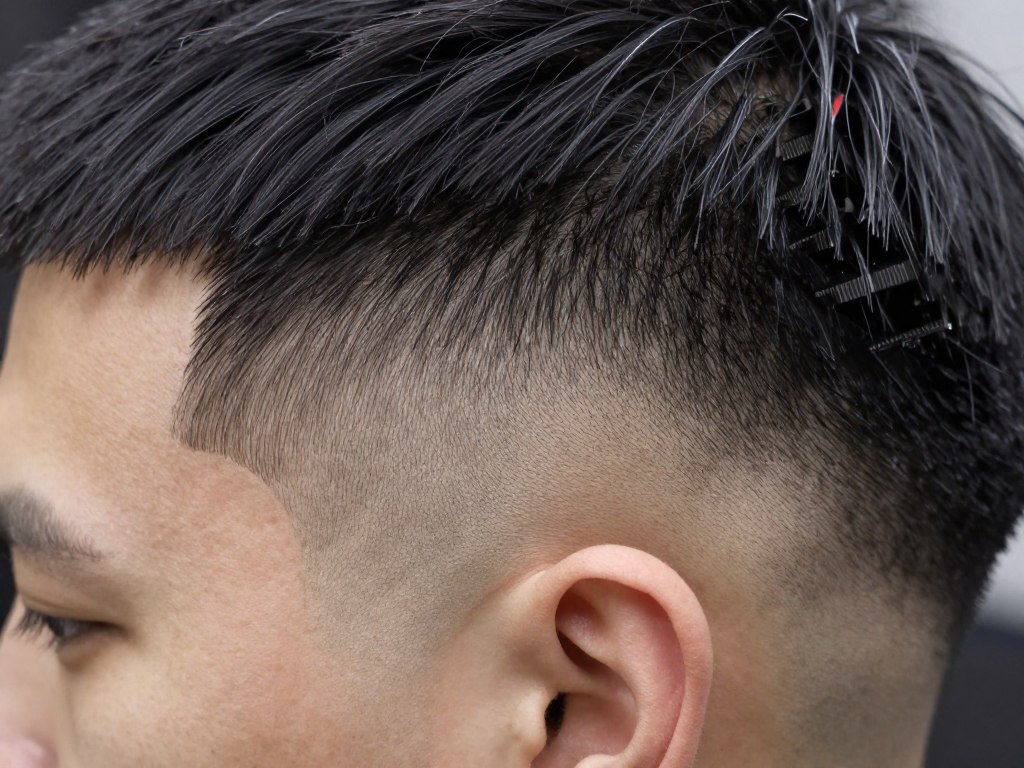
The term “skin fade” comes from the fact that hair tapers down to skin level at the shortest point. This creates maximum contrast between the top and sides. Barbers achieve this by carefully blending hair from the natural texture on top down to bare skin.
Three key characteristics define a proper skin fade. First, the transition must be gradual and seamless without visible lines. Second, the fade should complement your head shape and natural hairline. Third, the top section maintains enough length for styling while the sides create clean definition.
Key Distinction: The main difference between a skin fade and regular fade is the endpoint. A standard fade stops at very short hair, while a skin fade continues all the way down to bare skin, creating more dramatic contrast.
Professional barbers typically use four to six different clipper guard sizes to create the perfect skin fade. They start with the longest guard at the top of the fade line and progressively switch to shorter guards. The final section uses no guard at all, cutting directly to skin level.
Skin Fade vs. Taper Fade: Understanding the Difference
Many people confuse skin fades with taper fades, but these styles have distinct characteristics. Understanding the difference helps you communicate clearly with your barber and get exactly the look you want.
Skin Fade Characteristics
- Fades down to bare skin at the shortest point
- Creates dramatic contrast between top and sides
- Requires frequent maintenance every 1-2 weeks
- More contemporary and bold appearance
- Works best with structured top styles
Taper Fade Characteristics
- Stops at very short hair, never reaching skin
- Provides subtle, gradual transition
- Requires less frequent maintenance
- More conservative and traditional look
- Versatile with various top lengths
The taper fade offers a more conservative approach. Hair gradually shortens but stops before reaching skin level, leaving a short stubble at the shortest point. This creates a softer, less dramatic contrast suitable for professional environments with strict grooming codes.
In contrast, the skin fade makes a bolder statement. The complete removal of hair at the sides creates sharp definition and clean lines. This modern approach suits those who want a fashion-forward look and don’t mind regular maintenance appointments.
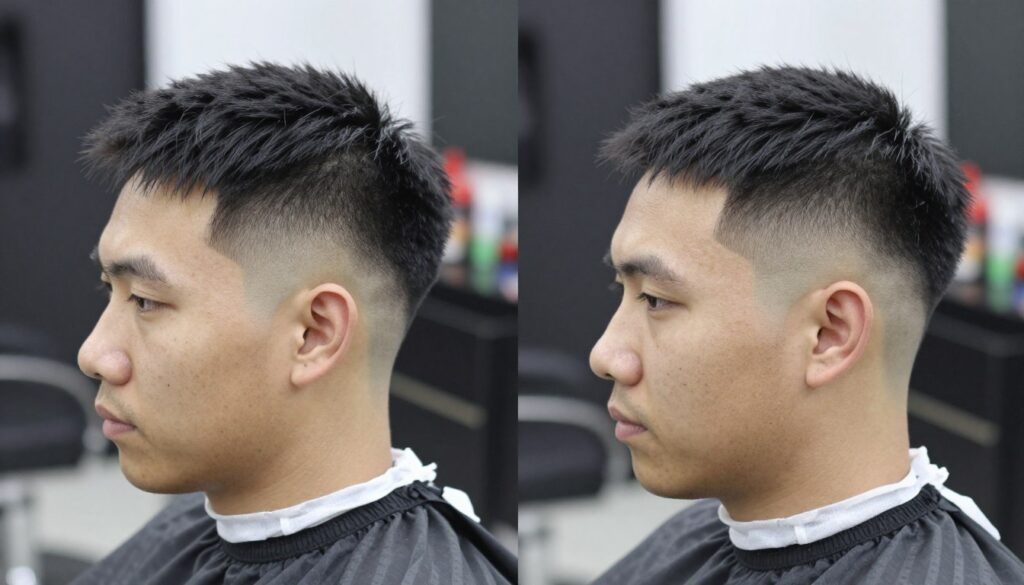
Your lifestyle should influence your choice. The skin fade demands commitment to regular barber visits. The dramatic transition grows out quickly, losing definition within two weeks. The taper fade offers more flexibility, maintaining its shape for three to four weeks between cuts.
Both styles work with different top lengths and styling options. The key difference lies in the sides and back. Consider your workplace dress code, personal style preferences, and maintenance commitment when choosing between these popular fade variations.
Different Types of Skin Fades: Low, Mid, and High
Skin fades come in three main variations based on where the fade begins on your head. Each type creates a different aesthetic and works better with certain face shapes and personal styles. Understanding these options helps you select the perfect skin fade for your look.
Low Skin Fade
The low skin fade starts just above the ears and follows the natural hairline around the back of the head. This subtle variation provides a clean look while maintaining more hair on the sides compared to other fade types.
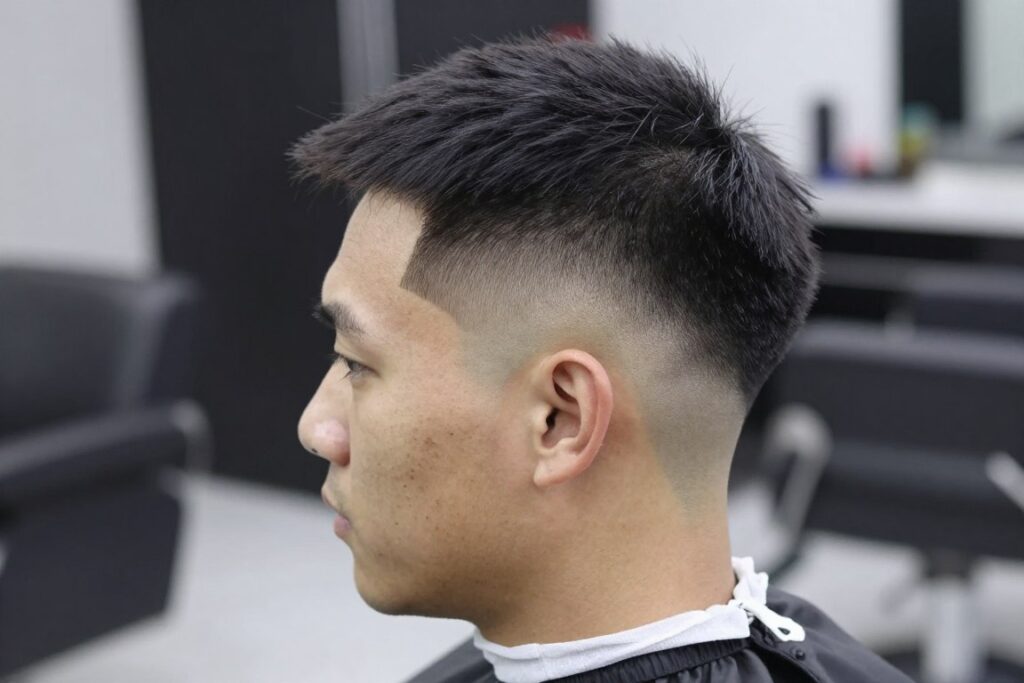
This style works exceptionally well for men with round or square face shapes. The low fade creates horizontal visual lines that add width and balance to the face. It also suits conservative work environments where dramatic cuts might be inappropriate.
The low skin fade pairs perfectly with longer top styles. Whether you prefer a slicked-back look, textured quiff, or side part, the subtle fade provides clean sides without overwhelming your overall hairstyle. Maintenance appointments are needed every two weeks to keep the definition sharp.
Mid Skin Fade
The mid skin fade begins approximately halfway up the sides of the head, typically around the temples. This balanced approach offers more contrast than a low fade while remaining versatile enough for various occasions.
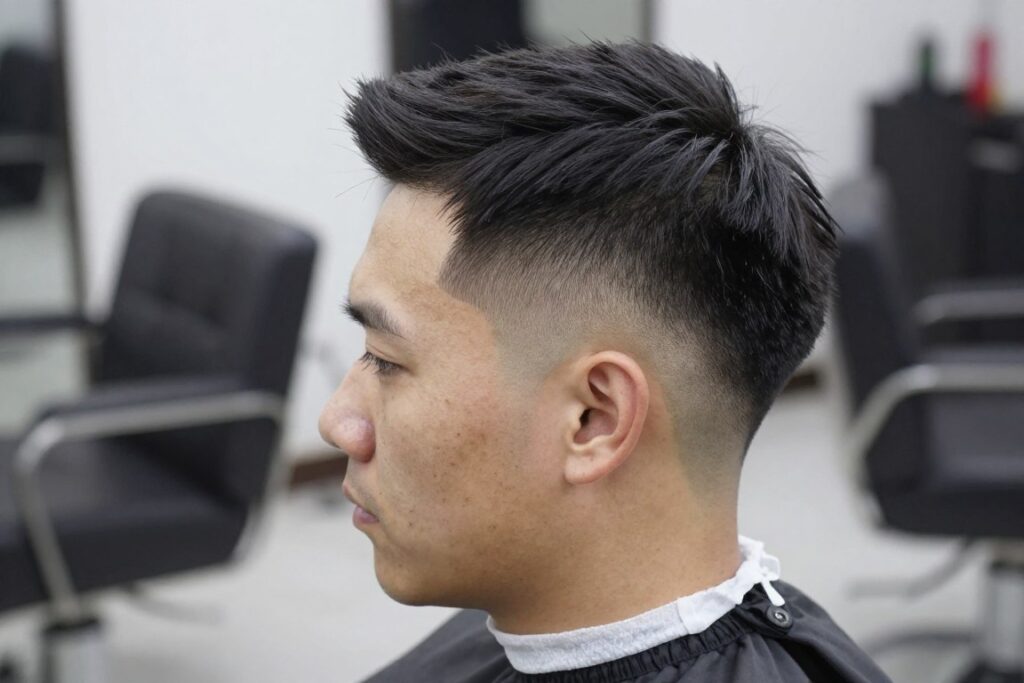
The mid skin fade has become the most popular variation in recent years. It strikes an ideal balance between conservative and contemporary styles. The fade creates enough contrast to make a statement while remaining appropriate for most professional settings.
This type works with virtually any face shape. The mid-height starting point provides flexibility in how the fade frames your features. It particularly suits oval and diamond face shapes by adding structure without shortening the face visually.
Styling options with a mid skin fade are nearly limitless. The moderate fade line works with short buzz cuts on top, medium-length textured styles, or longer pompadour looks. The versatility makes this the go-to choice for men wanting a modern cut that adapts to different situations.
High Skin Fade
The high skin fade starts well above the temples, sometimes beginning as high as the parietal ridge. This dramatic variation creates maximum contrast and makes the boldest visual statement of all fade types.
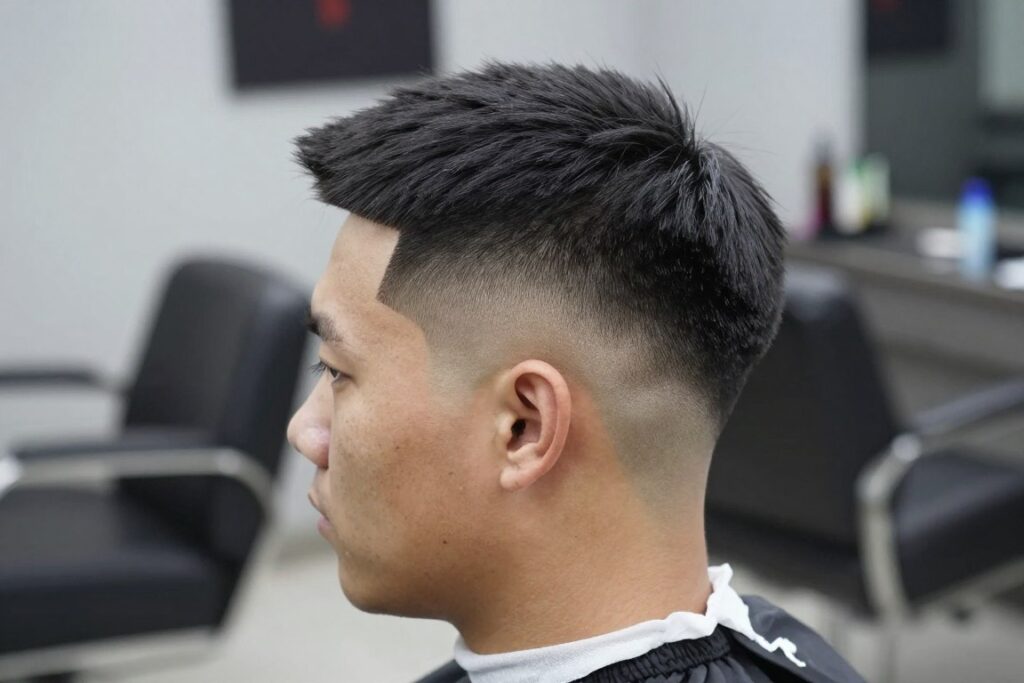
This aggressive style suits men who want attention-grabbing hair. The high fade exposes more of the head, creating striking definition between the top section and bare sides. It works particularly well for those with thick hair on top, as the contrast enhances volume and texture.
Face shape considerations become crucial with high skin fades. This style best complements longer, oval face shapes. The high fade can make round faces appear wider and should be approached carefully if you have a very round or square face shape.
The high skin fade pairs exceptionally well with trendy top styles. Textured crops, messy fringes, and voluminous quiffs all benefit from the clean canvas created by high faded sides. However, this style requires the most frequent maintenance, with touch-ups needed every 7-10 days to maintain sharp definition.
Find Your Perfect Skin Fade Style
Unsure which fade variation suits your face shape and lifestyle? Book a free consultation with experienced barbers who’ll recommend the best style for you and create a custom look that enhances your natural features.
Choosing the Right Fade Height
Selecting between low, mid, and high skin fades depends on several factors. Your face shape provides the foundation for this decision. Round faces benefit from low to mid fades that add width. Longer faces work better with mid to high fades that create vertical balance.
Your workplace environment matters significantly. Conservative professional settings typically favor low to mid fades. Creative industries and casual workplaces accommodate high fades more readily. Consider your company’s grooming standards before committing to a dramatic high fade.
Personal maintenance commitment should influence your choice. High fades require weekly appointments to maintain definition. Mid fades stretch to two-week intervals. Low fades can sometimes last three weeks before losing their sharp lines. Be realistic about your time and budget for regular barber visits.
Hair texture on top also plays a role. Thick, coarse hair handles high fades well, as the contrast emphasizes natural volume. Finer hair types may look better with low to mid fades that don’t create excessive contrast. Discuss these considerations with your barber for personalized recommendations.
Which Face Shape Suits a Skin Fade Best?
The perfect skin fade complements your natural face shape and enhances your best features. Understanding how different fade heights interact with facial structure helps you achieve the most flattering result.
Oval Face Shape
Oval faces are the most versatile shape for skin fades. Balanced proportions mean you can wear any fade variation successfully. Low, mid, or high skin fades all work well with oval faces.
The natural symmetry of oval faces pairs excellently with mid to high skin fades. These create clean definition without disrupting facial balance. You have the freedom to choose based on personal style preferences rather than corrective needs.
Round Face Shape
Round faces benefit most from low to mid skin fades. These variations add horizontal visual lines that create the illusion of width. Avoid high skin fades, as they can emphasize roundness and make the face appear fuller.

Pair your low or mid fade with volume on top. Height in the top section creates vertical lines that lengthen the appearance of round faces. Textured styles with lift work better than flat, slicked-back looks for this face shape.
Square Face Shape
Square faces have strong jawlines and angular features. Low to mid skin fades soften these angles while maintaining masculine definition. The gradual fade creates curves that balance strong jaw structure.
Keep some length on the sides with a low fade if you have a particularly prominent jaw. This prevents excessive emphasis on angular features. Mid fades work well for square faces with balanced proportions between forehead and jawline.
Oblong or Long Face Shape
Long faces need horizontal balance. Mid to high skin fades work best, as they create width through visual contrast. The higher fade line adds breadth that offsets facial length.
Style the top section with texture rather than excessive height. Too much volume on top elongates long faces further. Aim for fuller sides in your top styling to create the illusion of width and balance your proportions.
Heart Face Shape
Heart-shaped faces feature wider foreheads and narrower chins. Low to mid skin fades work best, as they add visual weight to the lower face. This balances the broader forehead naturally.
The fade should draw attention downward, so avoid high fades that emphasize the upper portion of your head. Keep modest volume on top and consider side-swept styles that minimize forehead width.
Diamond Face Shape
Diamond faces have narrow foreheads and chins with wider cheekbones. Mid skin fades typically work best, creating balance across the widest part of the face without emphasizing the narrow forehead.
Style the top with some volume but avoid extreme height. Textured, slightly messy styles complement diamond faces better than sleek, structured looks. The natural texture adds width at the forehead while the fade balances the cheekbones.
Face Shapes That Work Best
- Oval faces (all fade types)
- Square faces (low to mid fades)
- Diamond faces (mid fades)
- Long faces (mid to high fades)
Face Shapes Requiring Careful Consideration
- Very round faces (avoid high fades)
- Heart-shaped faces (avoid high fades)
- Extremely narrow faces (fade may increase disproportion)
Skin Fades for Different Hair Types and Textures
Your natural hair texture significantly influences how a skin fade looks and behaves. Different hair types require specific approaches to achieve the best results with this style.
Straight Hair
Straight hair shows fade transitions most clearly. The smooth texture creates crisp, defined lines that highlight the barber’s skill. Skin fades look exceptionally clean on straight hair with sharp contrast between lengths.
This hair type holds structured styles well. Pompadours, side parts, and slicked-back looks work perfectly with straight hair and skin fades. The natural texture allows precise styling without excessive product.
Maintenance proves straightforward with straight hair. The uniform texture grows out evenly, maintaining fade definition longer than other hair types. You can often extend time between cuts by a few days compared to wavy or curly hair.
Wavy Hair
Wavy hair adds natural texture that complements skin fades beautifully. The slight movement creates dimension and interest in the longer top section. This texture works with both clean and messy styling approaches.
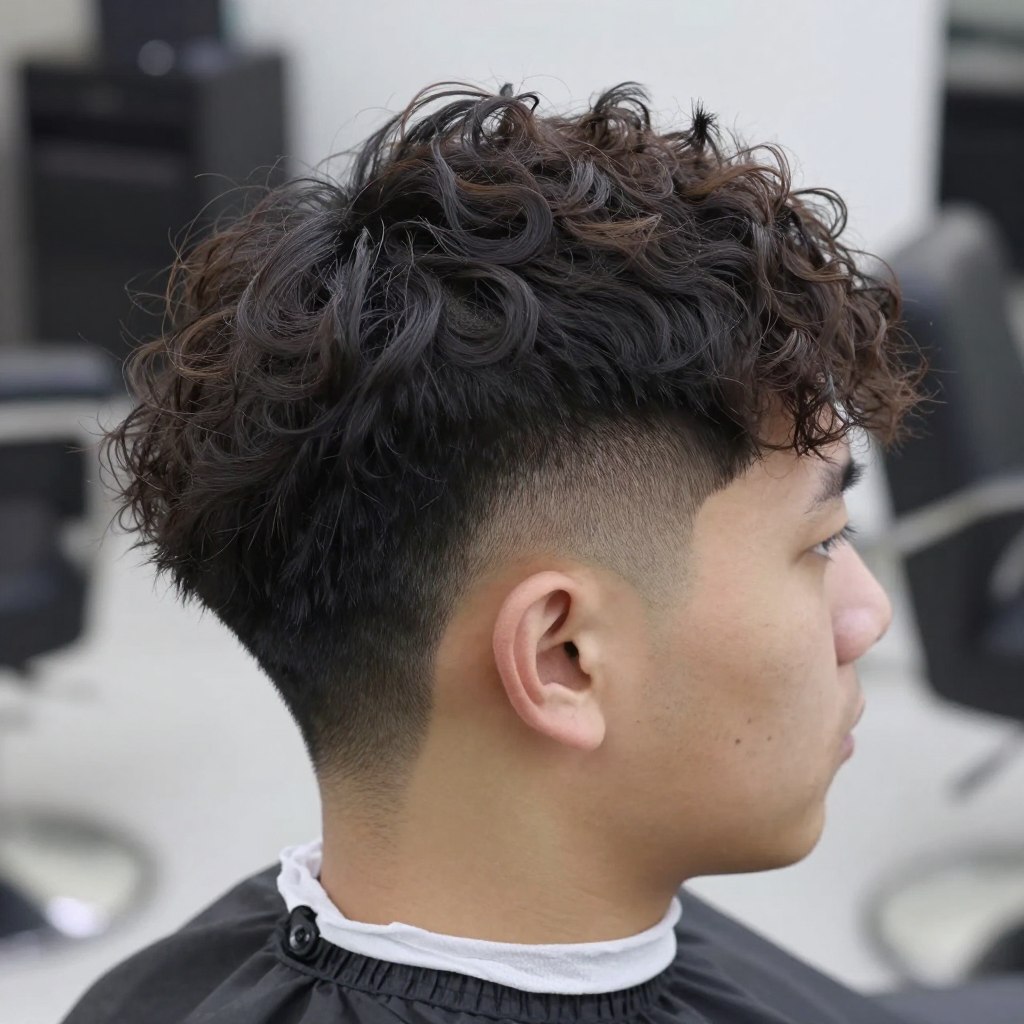
The natural texture of wavy hair can soften the dramatic contrast of skin fades. This creates an approachable, relaxed look rather than an overly styled appearance. Embrace your natural wave pattern rather than fighting it with excessive styling products.
Work with lightweight styling products that enhance rather than weigh down waves. Matte finish clay or sea salt spray brings out natural texture while maintaining movement. Avoid heavy pomades that flatten waves and create an unnatural appearance.
Curly Hair
Curly hair creates stunning contrast with skin fades. The dramatic difference between tight curls on top and bare sides produces eye-catching dimension. This combination has become increasingly popular across the United Kingdom.
The key with curly hair is maintaining moisture. Curls need hydration to look healthy and defined. Use leave-in conditioners and curl-enhancing products to keep your natural texture looking its best. Dry, frizzy curls diminish the impact of even the best fade.
Consider a slightly higher fade if you have very tight curls. The additional height creates better proportion between your voluminous top and the faded sides. Low fades can sometimes create a mushroom effect with extremely curly hair.
Coily or Afro-Textured Hair
Coily and afro-textured hair produces some of the most striking skin fade looks. The natural volume and texture on top contrasts beautifully with clean-faded sides. This style has deep roots in Black barbering tradition and culture.
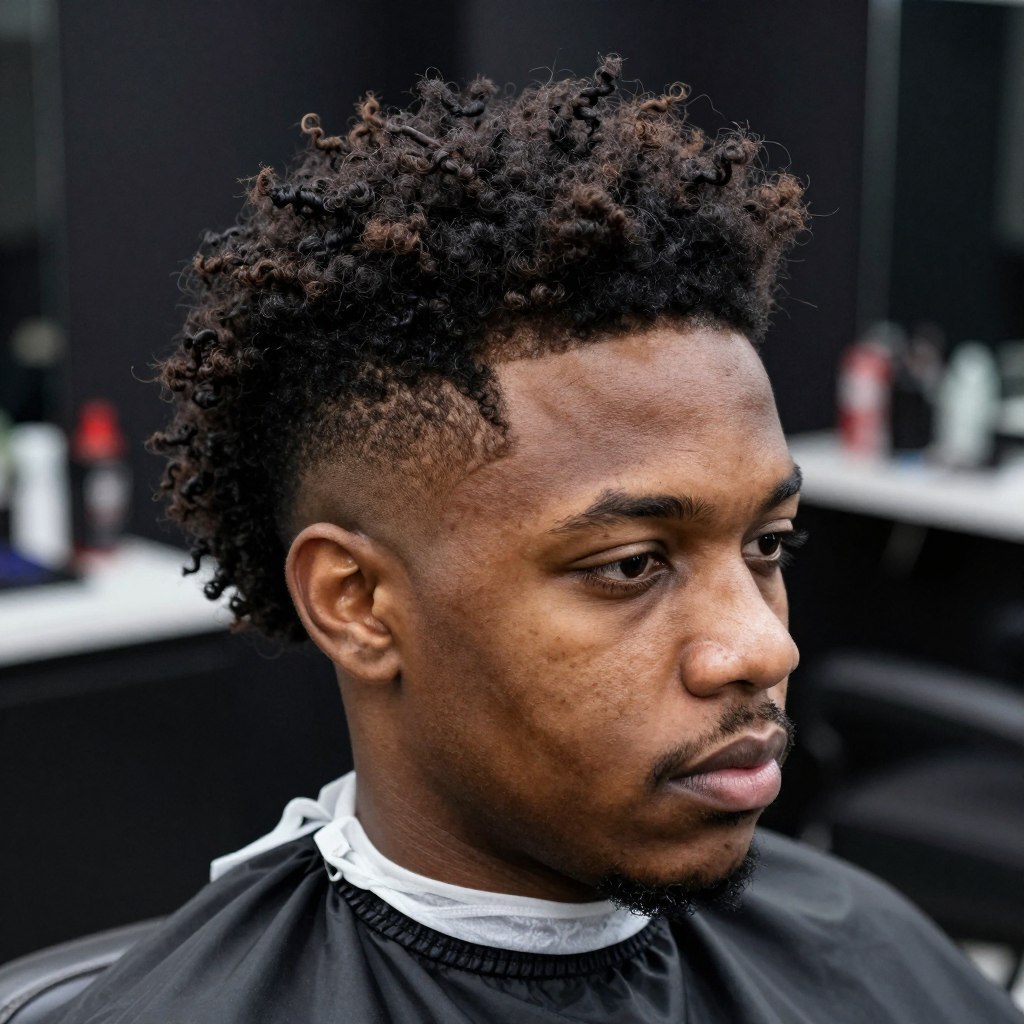
Maintenance for coily hair requires special attention. Regular moisturizing prevents dryness and breakage. Use products specifically formulated for your hair type to maintain health and appearance. The contrast of a skin fade makes healthy hair on top essential for the overall look.
Work with a barber experienced in cutting coily hair. The technique differs from cutting straight hair, requiring specific tools and knowledge. An experienced barber creates smooth fades that complement your natural curl pattern rather than working against it.
Thick Hair
Thick hair holds volume naturally, making it ideal for dramatic skin fades. The density creates substantial contrast with bare sides. This hair type supports structured styles that might fall flat on finer hair.
You may need stronger hold products to control thick hair. Medium to firm hold pomades, clays, or gels keep thick hair styled throughout the day. The added product weight actually benefits this hair type by preventing excessive volume.
Fine or Thin Hair
Fine hair requires careful consideration with skin fades. The style can work beautifully but needs the right approach. Avoid extremely high fades that might make thinning areas more noticeable.
Choose low to mid fades that maintain more coverage on the sides. This creates balance without drawing attention to hair density. Style the top with volumizing products that add body without weighing down delicate strands.
Consider textured cuts on top rather than sleek styles. Strategic layering and texturizing techniques create the illusion of thicker hair. Work with your barber to identify cutting approaches that maximize the appearance of density and volume.
Expert Advice on Skin Fade Maintenance
Questions about keeping your fade fresh between appointments? Speak directly with professional barbers who understand your specific hair type and can provide personalized maintenance guidance.
Popular Skin Fade Hairstyles and Styling Options
The versatility of skin fades allows countless styling possibilities on top. These popular combinations showcase how different top styles work with faded sides to create distinct looks.
Textured Crop with Skin Fade
The textured crop features short to medium length hair on top with choppy, piece-y texture. Combined with a skin fade, this creates a modern, low-maintenance style perfect for busy lifestyles.
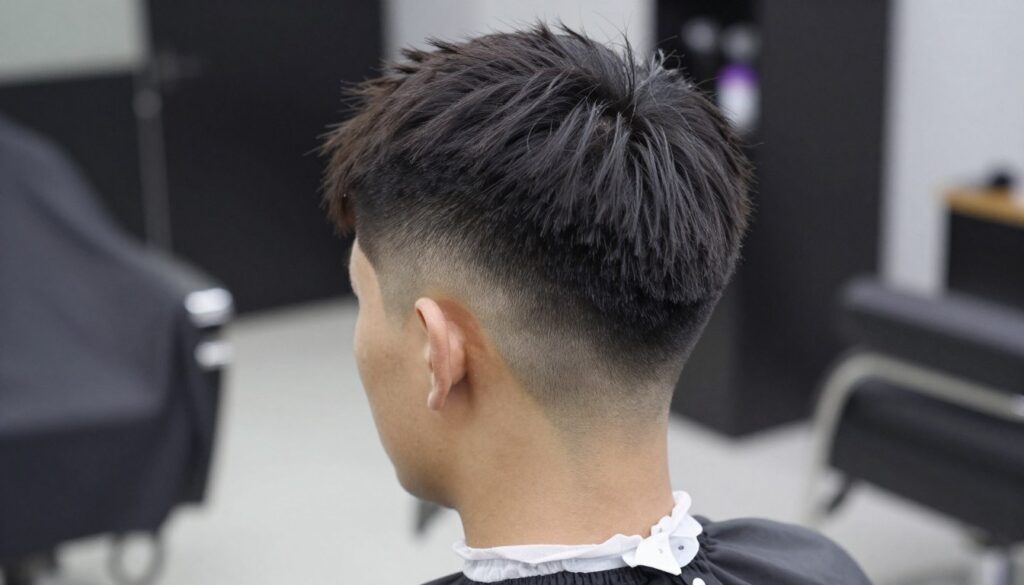
This style works with most hair types, especially those with natural texture. The cut requires minimal styling—just work matte clay through damp hair and tousle into place. The natural texture does most of the work, making morning routines quick and simple.
The textured crop suits square and oval face shapes particularly well. The horizontal texture on top balances angular features while the fade keeps sides clean. This combination has become a go-to choice for men wanting contemporary style without excessive maintenance.
Pompadour with Skin Fade
The pompadour remains a classic choice that looks stunning with skin fades. Hair sweeps up and back from the forehead, creating volume and height. The clean sides from a fade make the pompadour appear even more dramatic.
This style works best with thick or medium-density straight to wavy hair. You need enough hair to create the characteristic volume. A high or mid skin fade provides the contrast that makes pompadours truly stand out.
Styling requires more effort than textured crops. Blow-dry hair up and back with a round brush to create volume. Apply medium to firm hold pomade to lock the style in place. The polished result works excellently for professional environments and formal occasions.
Buzz Cut with Skin Fade
The buzz cut skin fade offers ultimate low maintenance. Very short hair on top combines with faded sides for a clean, military-inspired look. This no-fuss style suits active lifestyles and warm weather perfectly.
Despite its simplicity, the buzz cut fade requires precision. The barber must create smooth transitions between the short top and bare sides. A well-executed buzz cut fade looks intentional and stylish rather than a simple, basic cut.
This style suits nearly all face shapes and hair types. The short length eliminates concerns about texture or thickness. Consider a number 3 or 4 guard on top for a balanced look that maintains some definition while staying extremely practical.
Slick Back with Skin Fade
The slick back combines sophistication with edge. Medium to long hair on top sweeps straight back with shine, while skin-faded sides keep the look contemporary. This style bridges classic and modern aesthetics.
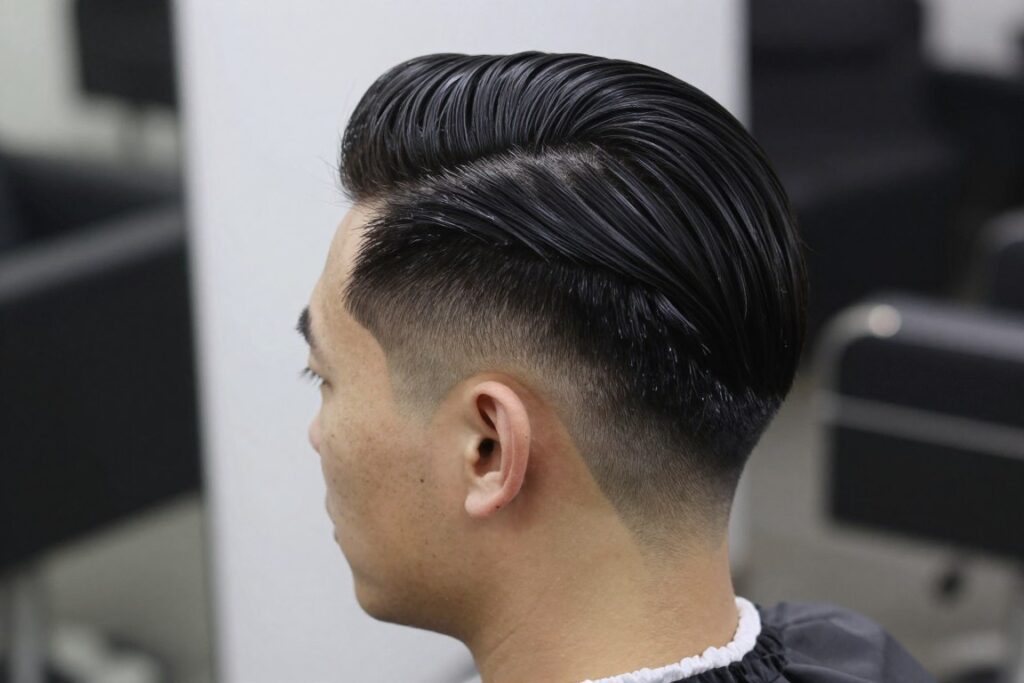
You need at least 4-6 inches of length on top for proper slick back styling. The style works with straight to slightly wavy hair. Use high-shine pomade for a classic wet look or medium-shine product for a more modern interpretation.
Apply product to damp hair and comb straight back from the hairline. The sides stay clean thanks to the fade, so all attention focuses on the sleek top. This look works exceptionally well in professional settings and formal events.
Messy Fringe with Skin Fade
The messy fringe brings a casual, youthful energy. Hair on top falls forward toward the face with deliberately disheveled texture. The contrast with clean-faded sides creates an intentionally styled casual look.
This style particularly suits men with natural wave or slight curl. The texture adds to the deliberately messy aesthetic. Work matte clay through dry hair and push forward, allowing natural texture to create randomness.
The messy fringe works well for round and square face shapes. The forward-falling hair softens angular features while adding dimension. Pair with a mid skin fade for balanced proportions.
Side Part with Skin Fade
The side part delivers timeless sophistication. A defined part separates hair, with one side swept across the head. Combined with a skin fade, this classic style gains contemporary edge.
Create a clean part using a comb when hair is damp. Apply pomade and comb the larger section across while keeping the smaller section flat. The precise styling contrasts beautifully with the gradual fade.
This versatile style transitions seamlessly from office to evening events. The classic nature suits conservative environments while the fade keeps the look current. Work best with straight to slightly wavy hair for the cleanest execution.
Quiff with Skin Fade
The quiff combines elements of pompadours and flat tops. Hair lifts at the front and sweeps back slightly, creating height and movement. A skin fade emphasizes the volume on top through dramatic contrast.
You need medium length on top—typically 3-5 inches at the front. Blow-dry hair forward and up to create the foundation volume. Use strong hold product to maintain the lifted front section throughout the day.
The quiff suits oval and square face shapes best. The vertical height elongates round faces while the volume balances strong jawlines. Pair with a mid to high skin fade for maximum impact.
Maintaining Your Skin Fade: Essential Tips and Schedule
A skin fade requires consistent maintenance to preserve its sharp definition. Understanding proper care helps extend the life of your cut and keeps you looking polished between barbershop visits.
Recommended Maintenance Schedule
The maintenance frequency for your skin fade depends on the fade height and your hair growth rate. Most men need appointments every one to three weeks to maintain optimal appearance.
High Skin Fade
- Professional touch-up: Every 7-10 days
- Fade loses definition quickly due to larger bare area
- Growth becomes noticeable within one week
- Requires highest maintenance commitment
Mid Skin Fade
- Professional touch-up: Every 10-14 days
- Balanced maintenance requirements
- Maintains acceptable appearance for two weeks
- Most popular choice for regular schedules
Low Skin Fade
- Professional touch-up: Every 14-21 days
- Longest-lasting fade variation
- Smaller bare area grows out less noticeably
- Best option for budget-conscious maintenance
Individual Factors
- Fast hair growth requires more frequent visits
- Coarse, dark hair shows growth more obviously
- Personal grooming standards influence timing
- Professional environments may demand tighter schedules
At-Home Maintenance Between Appointments
While professional cuts are essential, home maintenance extends the life of your fade. Simple daily and weekly routines keep your style looking fresh.
Wash your hair every two to three days with quality shampoo. Daily washing strips natural oils, leading to dry, unhealthy hair. Find a balance that keeps your scalp clean without over-washing.
Use conditioner appropriate for your hair type. This maintains moisture and prevents frizz or dryness that detracts from your overall look. Focus conditioner on the top section, avoiding the very short sides.
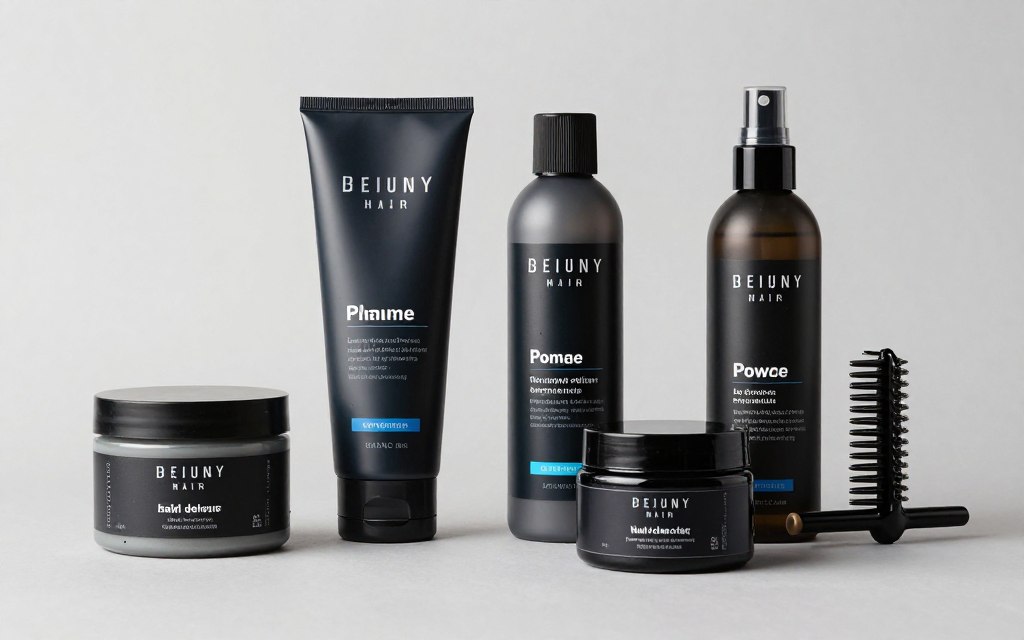
Moisturize your scalp if you experience dryness from the frequent shaving. The bare skin exposed by fades can become dry or irritated. Apply lightweight moisturizer to keep skin healthy and comfortable.
Style your hair daily to maintain the intended look. Even low-maintenance cuts benefit from product application. This habit ensures your hair always looks intentional rather than neglected.
Choosing the Right Styling Products
Product selection significantly impacts how your skin fade looks and behaves. Different styles and hair types require specific product formulations.
Matte Clay
Matte clay provides medium hold with a natural, non-shiny finish. This versatile product works excellently for textured styles, messy looks, and casual aesthetics. Clay adds texture without stiffness or visible product buildup.
Apply matte clay to dry or slightly damp hair. Work a small amount between palms until warm, then distribute through hair. This product works best for short to medium length styles on top.
Pomade
Pomade offers hold with shine, ranging from light sheen to high gloss. Water-based pomades wash out easily while oil-based versions provide stronger hold and more shine. Use pomade for slick backs, side parts, and classic styles.
Apply pomade to damp hair for easier distribution and softer hold. For stronger hold and more shine, apply to dry hair. Start with a small amount—you can always add more but removing excess proves difficult.
Styling Cream
Styling cream provides light hold with moisture. This product suits wavy and curly hair types, enhancing natural texture without crunch or stiffness. Creams work well for achieving natural, lived-in looks.
Work cream through damp hair and allow to air dry or use a diffuser. The light hold maintains natural movement while defining texture. This product rarely works well for structured styles requiring strong hold.
Hair Spray
Hair spray locks finished styles in place. Use as a final step after styling with other products. Spray offers flexible to firm hold options depending on the product strength you choose.
Hold the can 8-10 inches from your head and apply in short bursts. This prevents excessive buildup or sticky texture. Hair spray works for all style types when you need extended hold throughout the day.
Common Maintenance Mistakes to Avoid
Several common errors can diminish the appearance of your skin fade between professional cuts. Avoiding these mistakes helps maintain your look longer.
Don’t attempt to cut your own fade. The technique requires professional skill and proper equipment. DIY attempts usually result in uneven lines and ruined fades that need emergency barber intervention.
Avoid waiting too long between appointments. Once a fade loses definition, it can’t be restored without a fresh cut. Regular maintenance proves more cost-effective than constantly restarting with new fades.
Don’t use excessive product. More doesn’t equal better hold. Excessive product creates buildup, makes hair look greasy, and can actually reduce hold effectiveness. Start with small amounts and add gradually if needed.
Avoid harsh shampoos with sulfates. These strip natural oils excessively, leading to dry, damaged hair. Choose gentler formulations that clean effectively without over-processing your hair.
Protecting Your Fade
Environmental factors and daily activities can affect how your fade looks. Simple protective measures help maintain your style.
Wear a hat in harsh weather, but remove it indoors. Extended hat wear flattens styled hair and can cause odd indentations. Choose hats with appropriate sizing to avoid crushing your style unnecessarily.
Protect your hair from sun damage during extended outdoor exposure. UV rays can dry hair and fade color treatments. Consider products with UV protection or wear a hat during peak sun hours.
Use a silk or satin pillowcase to reduce friction while sleeping. Cotton pillowcases can cause frizz and disrupt styled hair. The smoother fabric maintains your style better overnight.
Be mindful during exercise and sports. Sweat and friction can disrupt styling. Some men keep styling products at the gym to refresh their look after workouts.
Budget Planning for Fade Maintenance
Understanding the cost commitment helps you budget appropriately for skin fade maintenance. Prices vary across the United Kingdom based on location and barber experience.
Average fade haircut costs range from £15-£40 depending on your city and chosen barber. London and major cities typically charge higher prices. Suburban and small-town barbershops often offer more affordable rates.
Calculate monthly maintenance costs based on your fade type. High fades requiring weekly visits can cost £60-£160 monthly. Mid fades with bi-weekly maintenance run £30-£80 monthly. Low fades needing three-week intervals cost £20-£55 monthly.
Consider package deals or membership programs. Many barbershops offer discounted rates for regular clients or prepaid packages. These arrangements can reduce per-visit costs significantly.
Factor in product costs when budgeting. Quality styling products range from £8-£25 and typically last 2-3 months. Budget £30-£100 annually for maintaining a supply of appropriate products for your hair type and style.
Professional Styling Tips and Techniques
Mastering styling techniques helps you recreate barbershop-quality results at home. These professional tips elevate your daily grooming routine and maximize your skin fade’s appearance.
Essential Styling Tools
Investing in quality tools makes styling easier and produces better results. You don’t need extensive equipment, but certain items prove essential for proper fade maintenance.
Comb Selection
Wide-tooth combs work best for detangling and distributing product through thick or curly hair. Fine-tooth combs create precise parts and smooth finishes for structured styles.
- Wide-tooth for curly or thick hair
- Fine-tooth for sleek styles
- Avoid plastic combs that create static
Brush Options
Natural bristle brushes distribute oils and create shine. Vented brushes speed drying time during blow-drying. Round brushes add volume and shape during styling.
- Boar bristle for shine and smoothness
- Vented for quick drying
- Round for volume and shaping
Blow Dryer
A quality blow dryer with adjustable heat settings protects hair while enabling styling. The concentrator nozzle directs airflow for precise shaping and volume creation.
- Variable heat and speed settings
- Cool shot button for setting styles
- Concentrator nozzle for precision
Basic Styling Technique for Skin Fades
This fundamental approach works for most skin fade styles with top length. Master these basics before attempting more advanced techniques.
- Start with clean, towel-dried hair. Hair should be damp but not dripping. Excess water dilutes product effectiveness and makes styling difficult.
- Apply styling product appropriate for your desired look. Use the amount recommended by the product manufacturer. Work product between palms before application for even distribution.
- Distribute product evenly through top section. Avoid the very short sides. Use fingers or a comb to ensure complete coverage from roots to ends.
- Style hair in your desired direction. Use your hands, comb, or brush depending on the look. Work while hair is still damp for best results.
- Blow-dry if additional volume or hold is needed. Use medium heat and direct airflow in your styling direction. Finish with cool air to set the style.
- Add finishing product if needed. Light pomade adds shine. Hair spray provides extra hold. Matte powder adds additional texture and volume.
Creating Volume and Height
Volume makes thin hair appear thicker and adds drama to any style. These techniques build height and fullness on top while your fade keeps sides clean.
Blow-dry hair opposite to its natural growth direction. This lifts roots and creates foundation volume. Once dry, direct hair back to its intended position. The volume remains while achieving your desired look.
Use a round brush while blow-drying for maximum lift. Wrap sections of hair around the brush and apply heat while pulling upward. This technique works excellently for pompadours, quiffs, and voluminous styles.
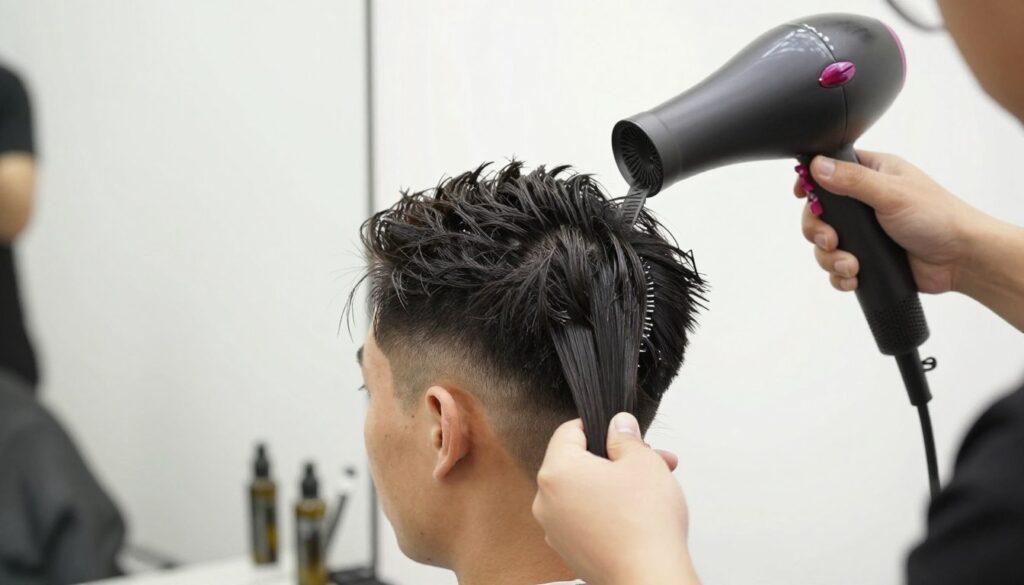
Apply volumizing powder or spray to roots before styling. These products add grit and texture that helps hair hold lift. Focus application at the crown and front where volume matters most.
Achieving Natural Texture
Natural texture creates effortless, modern looks. These techniques enhance your hair’s inherent characteristics rather than fighting them.
Work product through hair with your fingers rather than combs. This maintains natural texture and prevents overly smooth results. Scrunch wavy or curly hair to encourage curl formation and definition.
Use matte finish products exclusively for textured looks. Shine conflicts with the casual, natural aesthetic. Clay, paste, and matte cream work best for these styles.
Allow hair to air dry when possible. Blow-drying can smooth texture you want to preserve. If you must blow-dry, use a diffuser attachment and low heat to minimize disruption of natural pattern.
Maintaining Style Throughout the Day
Your style should last from morning until evening without constant attention. These strategies improve all-day hold and appearance.
Apply products to slightly damp hair rather than wet or completely dry. This optimal moisture level allows best product absorption and hold without dilution or difficulty distributing.
Use layered product application for complex styles. Start with a foundation product like cream or mousse. Add texture or hold products after initial styling. Finish with spray for extended hold.
Carry small amounts of product for touch-ups. Keep a small container of your primary product at work or in your bag. Quick touch-ups maintain appearance without complete restyling.
Avoid touching your hair excessively throughout the day. Hands transfer oils that can make hair look greasy and disrupt styling. The less you handle your hair, the longer your style maintains its appearance.
Dealing with Difficult Growth Patterns
Cowlicks, whorls, and unusual growth patterns challenge styling efforts. Work with these characteristics rather than against them for best results.
Identify your natural growth patterns when hair is wet and unstyled. Understanding where hair naturally wants to go helps you develop realistic styling approaches. Some growth patterns simply cannot be overcome with product alone.
Style cowlicks while hair is damp and use strong hold products. The combination gives you the best chance at control. Consider incorporating cowlicks into your style rather than fighting them completely.
Discuss growth patterns with your barber. Strategic cutting can minimize difficult areas. Some lengths handle cowlicks better than others. Your barber can adjust the cut to work with your natural growth.
Adapting Styles for Different Occasions
Your skin fade allows style versatility for various situations. Learn to adapt your look without needing complete rework.
For professional settings, opt for sleeker, more structured styles. Use medium shine products and defined styling. Keep hair off your forehead and maintain clean lines that complement your fade.
Casual situations allow messier, relaxed approaches. Use matte products and finger-styling for easy, natural looks. Allow texture and movement that would be too casual for formal environments.
Transition from day to evening by adding product or restyling. Keep a small amount of pomade or clay available. A few minutes in the restroom can transform your daytime professional look into evening casual style.
Finding the Right Barber for Your Perfect Skin Fade
The quality of your skin fade depends heavily on your barber’s skill and experience. Finding the right professional ensures consistent, excellent results that make the style worth maintaining.
What to Look for in a Barber
Several key indicators help identify barbers capable of executing excellent skin fades. Evaluate these factors before committing to a new barber.
Examine the barber’s portfolio or social media presence. Quality barbers showcase their work on Instagram or Facebook. Look for clean fade transitions, symmetrical cuts, and variety in styles. Consistent quality across multiple clients indicates genuine skill.
Assess the barbershop’s overall cleanliness and professionalism. Well-maintained shops reflect pride in work and attention to detail. These qualities translate directly to haircut quality and client experience.
Observe how barbers interact with clients. Good communication ensures you get the cut you want. Barbers should ask questions, offer suggestions, and explain their approach. This consultation process is essential for achieving your desired result.
Red Flags to Avoid: Barbers who rush cuts, don’t ask questions about your preferences, or show limited fade examples in their portfolio. Also be cautious of shops with poor hygiene or outdated equipment.
Questions to Ask Your Barber
Proper communication with your barber prevents disappointments and ensures mutual understanding. Ask these questions during your consultation.
Ask about their experience with skin fades specifically. How long have they been cutting fades? Do they have experience with your particular hair type? Specific experience matters more than general barbering tenure.
Inquire about maintenance schedules they recommend. A knowledgeable barber provides realistic timelines for touch-ups based on your chosen fade height and hair growth rate. This information helps you plan and budget appropriately.
Discuss your lifestyle and styling commitment. Honest conversation about your daily routine helps the barber suggest appropriate styles. There’s no point getting a high-maintenance cut if you won’t maintain it properly.
Ask what products they recommend for your specific hair type and style. Professional recommendations from someone who sees various hair types daily prove valuable. Many barbers can suggest specific products available at the shop.
Describing Your Desired Fade
Clear communication about your expectations prevents misunderstandings. Use these strategies to convey exactly what you want.
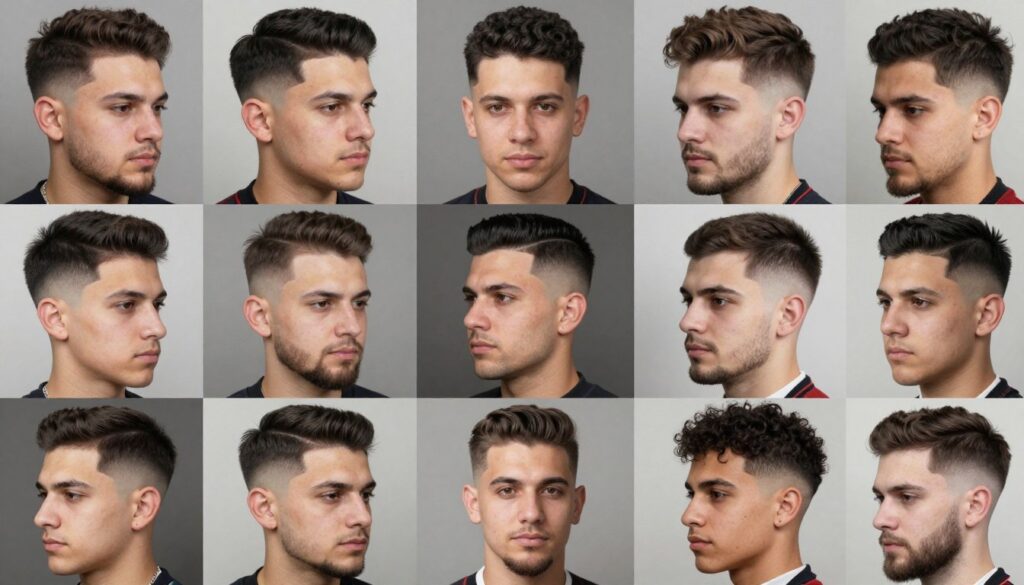
Bring reference photos of fades you like. Visual examples eliminate ambiguity and ensure you and your barber share the same vision. Find multiple angles if possible, showing the front, sides, and back clearly.
Use specific terminology when describing fade height. Say “mid fade” or “high fade” rather than vague descriptions. Specify where you want the fade to start using anatomical landmarks like temples or the top of ears.
Describe your desired length on top using guard numbers or inches. Don’t rely on terms like “short” or “medium” which mean different things to different people. Specific measurements ensure accuracy.
Explain your styling preferences and daily routine. Tell your barber if you want low maintenance or don’t mind daily styling. This context helps them adjust the cut to suit your lifestyle rather than creating a look you won’t maintain.
Building a Relationship with Your Barber
Establishing a regular relationship with a skilled barber improves your experience and results over time. Consistency offers significant benefits.
Book regular appointments with the same barber when possible. They learn your hair’s characteristics, growth patterns, and style preferences. This familiarity leads to better cuts and less time explaining what you want.
Provide feedback on each cut. If something isn’t quite right, mention it politely. Good barbers appreciate constructive feedback and make adjustments. This dialogue improves future results.
Respect your barber’s time by arriving punctually for appointments. Chronic lateness shows disrespect and may result in rushed cuts or difficulty booking future appointments. Professional relationships require mutual respect.
Tip appropriately for good service. Tipping customs vary, but 10-20% is standard in the UK for excellent service. Generous tips to skilled barbers ensure they prioritize your appointments and maintain high-quality work.
Ready for Your Transformation?
Join thousands who’ve achieved their perfect look with expert skin fade haircuts from trusted UK barbers. Book your appointment today and experience the confidence that comes with a professionally executed fade tailored to your unique style and features.
Frequently Asked Questions About Skin Fade Haircuts
How long does a skin fade haircut take?
A quality skin fade typically takes 30-45 minutes for an experienced barber to complete. The time varies based on fade complexity, hair thickness, and the specific style on top. More intricate fades or first-time clients may require up to an hour. Quick 15-minute fades rarely produce quality results, as proper blending requires careful attention and multiple passes with different clipper guards.
Does a skin fade damage your hair?
No, skin fades don’t damage hair when performed correctly by a skilled barber. The cutting technique itself doesn’t harm hair follicles or structure. However, very frequent shaving of the faded areas can occasionally cause minor skin irritation in sensitive individuals. Using sharp, clean clippers and proper technique minimizes any potential issues. The hair on top remains completely unaffected by the fading process on the sides.
Can I do a skin fade at home?
Skin fades are extremely difficult to execute at home, even with quality clippers. The technique requires professional training, proper equipment, and the ability to see all angles of your head simultaneously. DIY attempts typically result in uneven blending, visible lines, or asymmetrical fades. While you can maintain neck lines between appointments, creating the initial fade should be left to professional barbers for best results.
What’s the difference between a fade and a taper?
A taper gradually shortens hair but stops at a short length, never reaching skin. A fade continues the gradual transition all the way down to bare skin or extremely short hair. Tapers provide a more conservative, subtle effect, while fades create dramatic contrast. Both techniques involve graduated cutting, but fades are more contemporary and require more frequent maintenance than tapers.
How much does a skin fade cost in the UK?
Skin fade prices in the UK typically range from £15-£40 depending on location and barber experience. London and major cities usually charge £25-£40, while smaller towns average £15-£25. Premium barbershops or highly experienced barbers may charge more. Some shops offer student discounts or loyalty programs. Factor in bi-weekly maintenance when budgeting—monthly costs typically run £30-£80 for regular upkeep.
Will a skin fade suit my face shape?
Skin fades can work with most face shapes when executed properly. Oval faces suit all fade types. Round faces benefit from low to mid fades. Square faces work well with low to mid fades. Long faces pair best with mid to high fades. Your barber can recommend the optimal fade height for your specific proportions. The key is matching fade placement to your facial structure for balanced, flattering results.
How often should I wash hair with a skin fade?
Wash your hair every 2-3 days to maintain healthy hair and scalp. Daily washing strips natural oils, leading to dryness and potential irritation of the shaved areas. However, if you exercise frequently or have very oily hair, you may need to wash more often. Use a gentle shampoo and always condition the longer top section. The faded sides don’t require as much attention but keep the scalp clean and moisturized.
Can I get a skin fade with thinning hair?
Yes, but choose a lower fade height to maintain more coverage. High fades can draw attention to thinning areas by creating excessive contrast. Low to mid fades work better with thinning hair, maintaining balance while still providing a modern look. Discuss your hair density honestly with your barber so they can adjust the cut appropriately. Strategic styling and texturizing on top can also create the illusion of fuller hair.
What should I do if my fade grows out unevenly?
Uneven growth is normal and happens to everyone. Hair grows at slightly different rates across your head. The solution is scheduling regular maintenance appointments before the fade loses definition completely. If growth appears significantly uneven, it might indicate an imperfectly executed initial fade. Return to your barber for adjustment. Quality barbers will correct issues from previous visits, especially if you’re a regular client.
Can I style a skin fade differently for work and casual?
Absolutely. The versatility of skin fades allows easy style adaptation. For professional settings, use pomade or gel to create sleek, structured styles like side parts or slick backs. For casual occasions, switch to matte clay for textured, messy looks. The clean sides remain consistent while the top section transforms based on product choice and styling technique. This flexibility makes skin fades practical for varied lifestyles.
Final Thoughts on Skin Fade Haircuts
The skin fade haircut offers a contemporary, versatile style that works across age groups, professions, and personal aesthetics. Understanding the variations, maintenance requirements, and styling options helps you make informed decisions about whether this cut suits your lifestyle.
Success with a skin fade depends on three key factors. First, choose the right fade height for your face shape and lifestyle. Second, commit to regular maintenance appointments to preserve the clean definition. Third, learn basic styling techniques appropriate for your chosen top style.
The investment in time and money proves worthwhile for those who value sharp, modern appearance. The clean lines and contemporary aesthetic of a well-maintained skin fade project confidence and attention to personal grooming. Few haircuts deliver such dramatic transformation with relatively simple maintenance.
Remember that finding a skilled barber makes all the difference. Take time to research local professionals, examine their portfolios, and don’t hesitate to try different barbers until you find the right match. A great barber becomes a valuable long-term partner in maintaining your appearance.
Whether you choose a subtle low fade or dramatic high fade, this style adapts to your individual needs. The key is honest assessment of your face shape, hair type, and maintenance commitment. With proper care and regular professional attention, a skin fade keeps you looking polished and contemporary every day.