
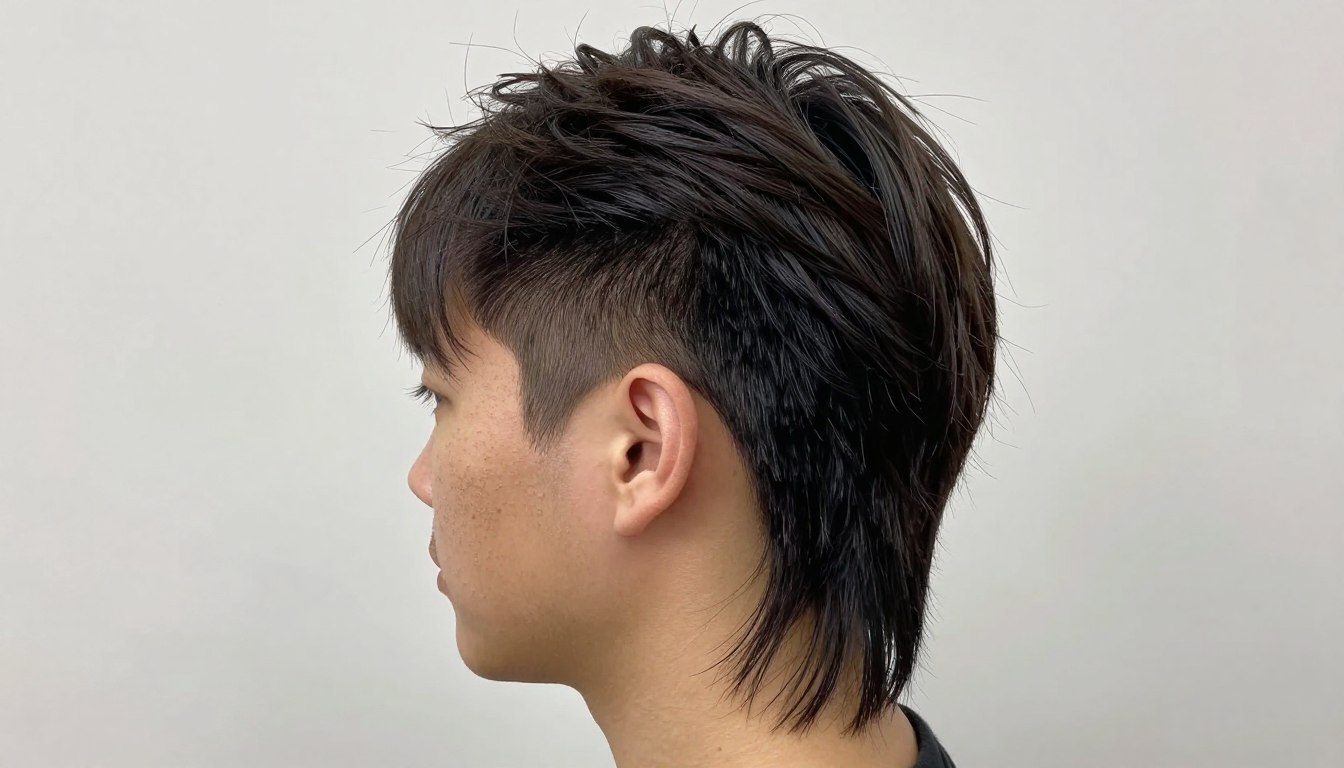
The mullet haircut stands as one of the most recognizable and controversial hairstyles in modern history. This distinctive style features short hair at the front and sides with dramatically longer hair flowing back. The look has traveled through decades, cultures, and fashion movements.
Once dismissed as outdated, the mullet has experienced a remarkable renaissance. Modern interpretations blend classic elements with contemporary cutting techniques. Today’s mullet adapts to various hair types, face shapes, and personal styles.
This guide explores everything about the mullet haircut. You’ll discover its origins, learn styling techniques, and find out if this bold look matches your personality. Whether you’re curious or committed, understanding the mullet helps you make informed style decisions.
Understanding the Mullet Haircut Definition and Key Characteristics
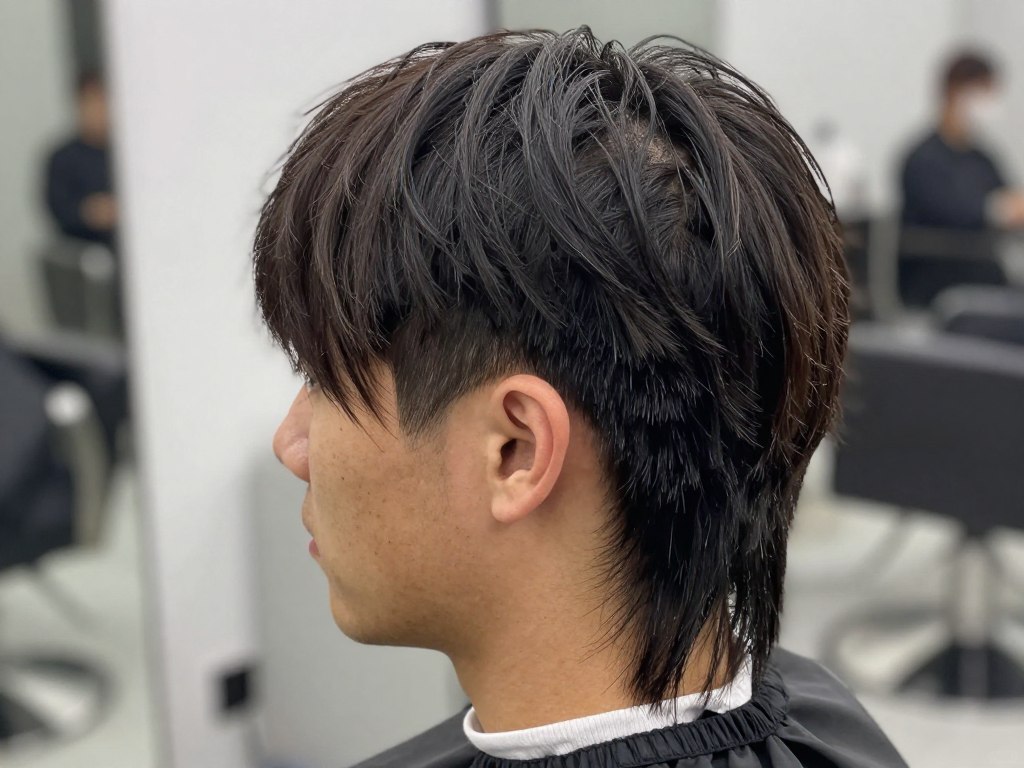
The mullet follows a simple yet striking principle. Hair remains short at the front and sides while length increases dramatically at the back. This contrast creates the signature silhouette that defines the style.
Core Structural Elements
The front section typically ranges from one to three inches. This area frames the face and provides styling versatility. Short sides create clean lines that emphasize facial features.
The top back section serves as the transition zone. Hair gradually increases in length as it moves toward the rear. This gradient prevents harsh lines and creates flow.
The long back extends from shoulder length to even longer. Some mullets maintain modest length while others embrace dramatic statements. The back hair can be straight, wavy, or curly depending on natural texture.
Distinguishing Features from Other Styles
Unlike layered cuts with subtle graduation, the mullet emphasizes contrast. The difference between short and long sections defines the entire look. This intentional disparity separates mullets from standard hairstyles.
Mullet Advantages
- Versatile styling options for different occasions
- Works with various hair textures and types
- Provides unique personal expression
- Requires less frequent full haircuts
- Offers both professional and casual looks
Mullet Considerations
- Demands regular maintenance and trimming
- May not suit all professional environments
- Requires specific styling products and techniques
- Growing out takes significant time
- Can appear unbalanced if poorly maintained
Traditional haircuts blend lengths seamlessly throughout. The mullet celebrates the division between short and long. This bold choice reflects confidence and style awareness.
The “Business in Front, Party in Back” Philosophy
This famous phrase captures the mullet’s dual nature. The short front presents a polished, professional appearance. Clean sides and manageable top sections suit workplace environments.
The longer back adds personality and flair. When hair flows behind, it creates movement and visual interest. This combination allows wearers to balance convention with individuality.
Modern interpretations expand this concept further. Contemporary mullets offer refined edges while maintaining the essential contrast. The style adapts to personal preferences and lifestyle demands.
The Rich History and Cultural Origins of the Mullet
Ancient Roots and Early Appearances
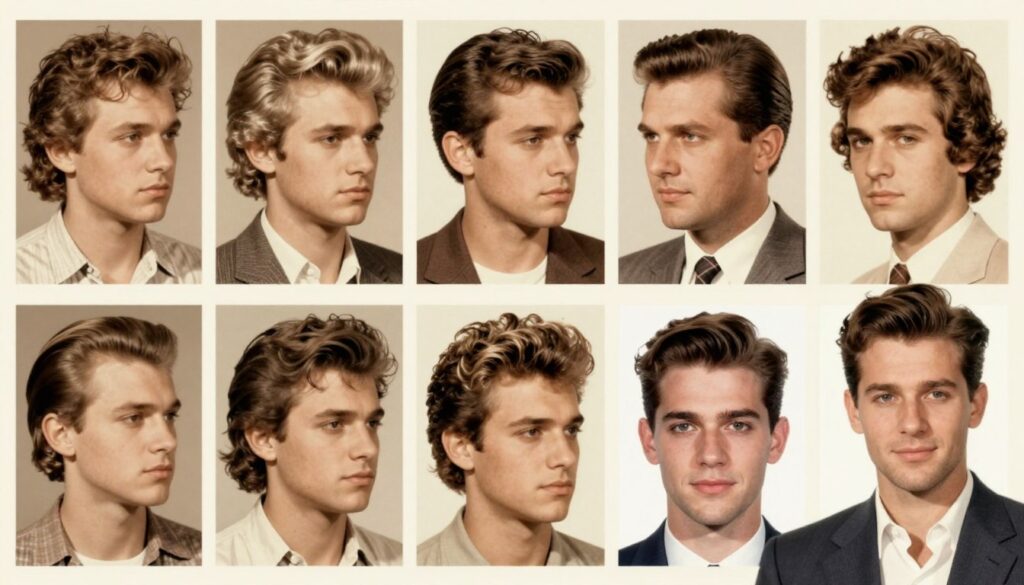
The mullet concept predates modern naming conventions by centuries. Ancient civilizations displayed similar styling patterns. Greek warriors and Roman soldiers wore practical short fronts with longer backs.
These early versions served functional purposes. Short hair prevented combat interference while longer back sections provided neck protection. Practicality merged with cultural identity.
Indigenous peoples across continents adopted comparable styles. Archaeological evidence reveals mullet-like cuts in various ancient cultures. The style transcended geography and time periods.
The 1970s Folk and Country Music Era
Modern mullet popularity began in the 1970s. Country music artists embraced the look as signature styling. Singers and musicians made the cut synonymous with their genre.
Folk rock performers adopted similar aesthetics. The hairstyle represented freedom and non-conformity. Longer hair symbolized rebellion against conservative norms while shorter fronts maintained some convention.
This era established the mullet as a cultural statement. Musicians influenced fans who replicated the style. The haircut spread beyond professional performers into mainstream culture.
The 1980s Peak and Pop Culture Explosion
The 1980s marked the mullet’s golden age. Rock stars, actors, and athletes prominently featured the style. Television and movies showcased mullets in leading roles.
Professional athletes brought the look to sports arenas. Hockey players particularly embraced the style. The mullet became associated with toughness and athletic prowess.
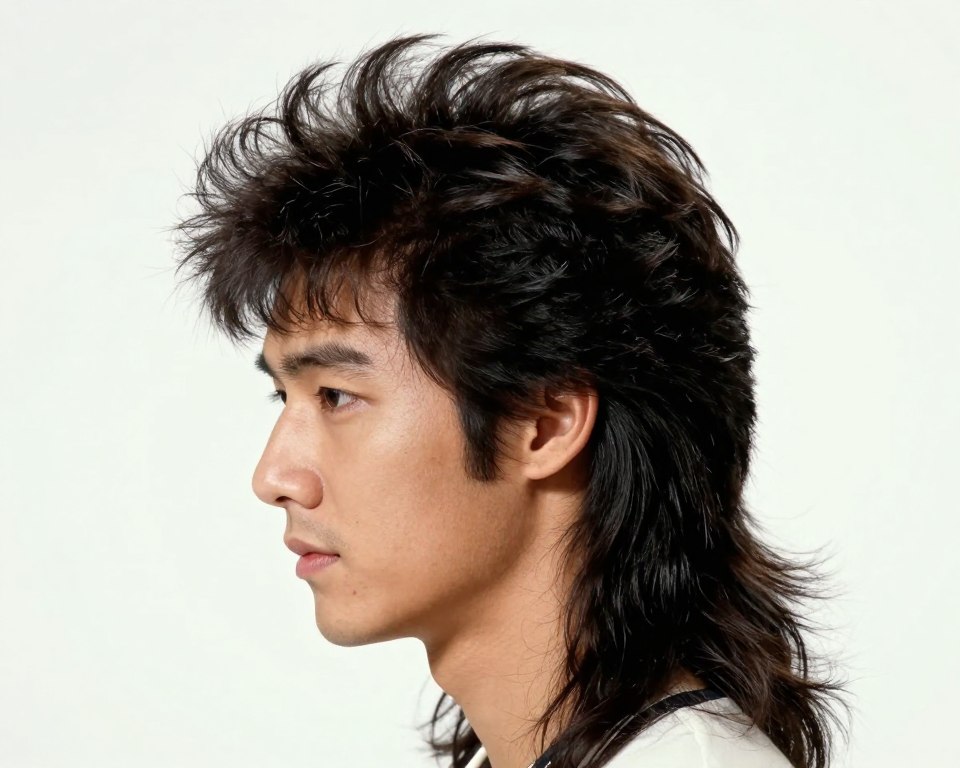
Hollywood celebrities made mullets glamorous. Action movie stars sported the cut in blockbuster films. The style represented confidence, masculinity, and rebellious spirit.
The Decline and Mockery Period
The 1990s brought shifting fashion sensibilities. Grunge and minimalist aesthetics replaced 1980s excess. The mullet faced widespread criticism and became comedic fodder.
Popular culture began mocking the style relentlessly. Television shows featured mullet jokes and unflattering portrayals. The haircut transformed from cool to kitsch.
Despite ridicule, some subcultures maintained the look. Blue-collar workers, rural communities, and specific music scenes kept mullets alive. The style became associated with working-class identity.
The Contemporary Revival and Modern Transformation
The 2010s and 2020s witnessed unexpected mullet resurgence. Fashion-forward individuals reclaimed the style with fresh perspectives. Modern mullets incorporate contemporary cutting techniques and styling approaches.
Social media platforms accelerated the trend. Instagram and TikTok showcased creative mullet variations. Young people embraced the look as vintage-inspired rebellion.
Today’s mullet represents ironic appreciation and genuine style. The cut balances nostalgia with modern sensibilities. Professional hairstylists elevate the look through technical expertise and artistic vision.
Cultural Note: The term “mullet” itself gained widespread use in the 1990s, though the style existed long before. The Beastie Boys’ 1994 song “Mullet Head” helped popularize the name, cementing its place in pop culture vocabulary.
Exploring Modern Mullet Variations and Contemporary Styles
The modern mullet has evolved far beyond its traditional form. Contemporary variations cater to diverse preferences, hair types, and lifestyle needs. Today’s interpretations blend classic elements with innovative techniques.
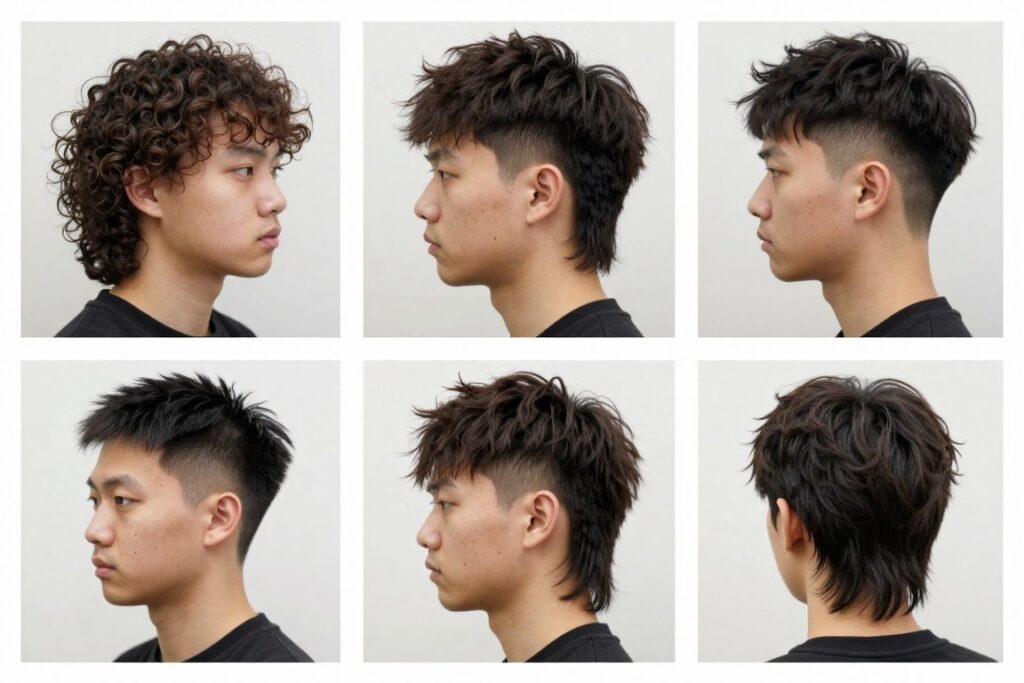
The Classic Modern Mullet
This version updates traditional proportions with refined execution. The front maintains two to three inches of length. Sides taper neatly without extreme shortness. The back flows to shoulder length or slightly beyond.
Modern cutting techniques create softer transitions. Stylists use texturizing methods to add dimension. The result balances vintage inspiration with contemporary polish.
This style works well for first-time mullet adopters. The moderate proportions feel less extreme while maintaining signature characteristics. It suits various settings from casual to semi-formal.
The Textured Mullet with Movement
Texture defines this variation through layering and strategic cutting. The top features choppy, piece-y sections that create volume. Sides remain short but incorporate texture rather than smooth fades.
The back includes multiple layers that generate movement. Hair doesn’t hang flat but displays dimensional flow. This approach adds visual interest and reduces heavy appearance.
Styling products enhance the natural texture. Sea salt spray creates beachy waves and separation. This modern mullet appears effortlessly cool rather than overly structured.
The Shag Mullet Hybrid
This style merges shag haircut principles with mullet structure. Layers throughout create a more blended transition. The cut maintains mullet proportions while incorporating shag’s feathered texture.
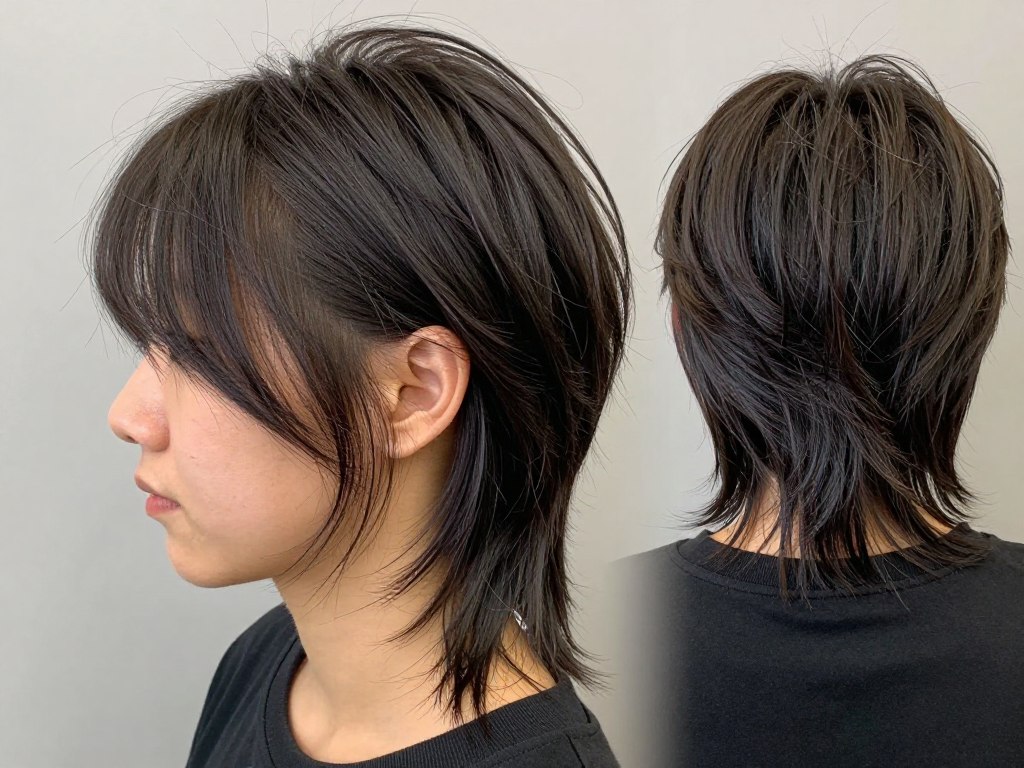
Face-framing layers soften the front sections. These pieces provide styling flexibility and flatter various face shapes. The overall effect feels softer and more romantic than traditional mullets.
This variation particularly suits longer hair enthusiasts. The shag influence makes growing out periods look intentional. Natural waves and curls thrive in this cut.
The Skin Fade Mullet
This dramatic version incorporates barbering techniques. Sides feature skin fades that graduate from bare skin to longer top sections. The contrast between faded sides and long back creates striking visual impact.
The top maintains moderate length for styling versatility. Hair can be slicked back, textured forward, or styled in various directions. The fade keeps sides neat and emphasizes facial features.
This modern mullet demands precise technical execution. Professional barbers create clean fade lines and smooth transitions. Regular maintenance preserves the sharp appearance.
The Curly and Wavy Mullet
Natural texture defines this variation. Curly hair adds unique dimension to mullet structure. The shorter front sections showcase curl pattern while longer back sections create dramatic volume.
Wavy hair produces a softer interpretation. The natural movement enhances the style’s flow. Proper cutting techniques prevent triangle shapes and maintain proportion.
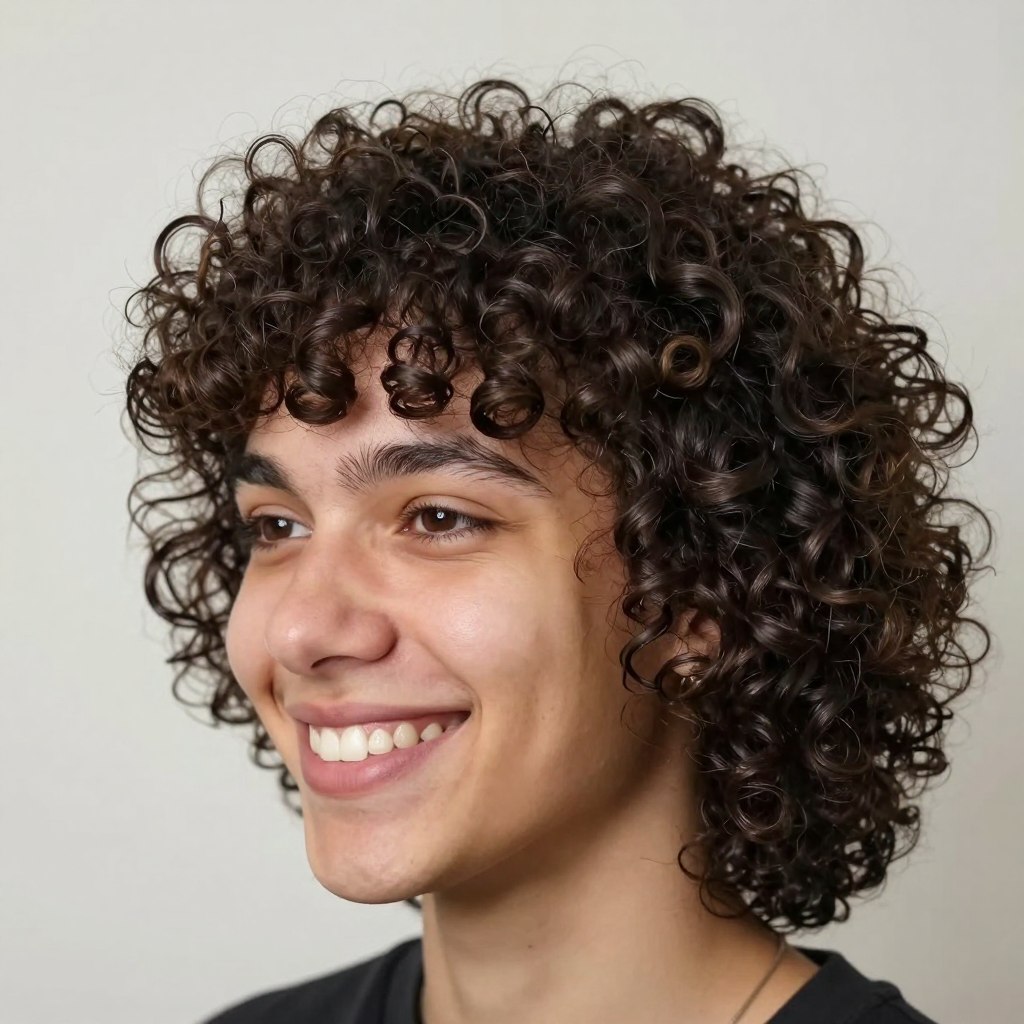
Curly mullets require specialized cutting approaches. Stylists must understand curl patterns and shrinkage. When executed properly, this variation celebrates natural texture beautifully.
The Wolf Cut Mullet
This trendy variation gained popularity through social media. The wolf cut combines mullet proportions with heavily layered shag elements. The result appears wild and voluminous.
Layers start from the crown and continue throughout. The front features significant volume and texture. Shorter pieces frame the face while longer sections cascade down the back.
This style creates maximum movement and dimension. It works exceptionally well for medium to thick hair. The wolf cut mullet makes a bold statement while remaining wearable.
The Short Mullet or “Mullet Lite”
This subtle interpretation maintains mullet proportions in condensed form. The overall length stays shorter throughout. Back sections extend only slightly longer than traditional short haircuts.
This approach suits conservative environments or cautious adopters. The mullet characteristics remain visible but in moderated form. Growing out or changing styles becomes easier.
Professional settings often accommodate this version better. The contrast exists but doesn’t dominate appearance. It offers a gateway into mullet territory.
Styling Tip: Modern mullets benefit from embracing natural hair texture rather than fighting it. Work with your hair’s inherent characteristics to achieve the most flattering and maintainable version of your chosen mullet style.
The Feminine Mullet
Gender-neutral styling has expanded mullet appeal. Feminine versions incorporate softer lines and face-framing elements. Layers create movement while maintaining the core short-front, long-back structure.
These mullets often feature curtain bangs or wispy front sections. The overall appearance feels romantic and bohemian. Styling emphasizes texture and natural flow over rigid structure.
This variation proves the mullet’s versatility across gender expressions. The style adapts to individual features and preferences while honoring the essential concept.
Matching Mullet Styles to Your Face Shape
Face shape significantly influences how any haircut appears. The mullet’s versatility allows adaptation to various facial structures. Understanding your face shape helps select the most flattering mullet variation.
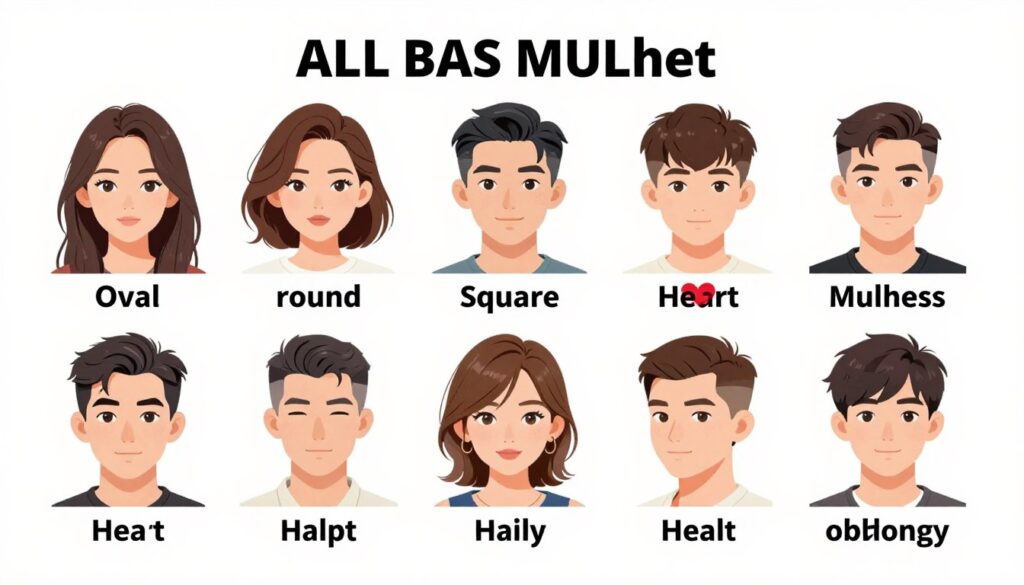
Oval Face Shapes
Oval faces enjoy maximum styling flexibility. Balanced proportions suit nearly any mullet variation. The natural symmetry accommodates both dramatic and subtle interpretations.
Those with oval faces can experiment freely. Classic modern mullets work beautifully. Textured versions add interest without overwhelming features. Even extreme variations like skin fade mullets complement oval structures.
The key involves maintaining proportion. Avoid excessive volume on top that elongates the face unnecessarily. Side sections should frame rather than hide facial features.
Round Face Shapes
Round faces benefit from mullets that add vertical dimension. Volume at the top creates the illusion of length. Shorter sides prevent widening the face further.
Textured mullets with height work particularly well. The choppy top adds elevation while longer back sections draw eyes downward. Skin fade mullets also flatter by keeping sides tight.
Avoid blunt, heavy bangs that emphasize roundness. Instead, opt for piece-y, textured front sections. Angle and height balance the face’s natural curves.
Square Face Shapes
Square faces feature strong jawlines and angular features. Mullets should soften these characteristics while maintaining masculine appeal. Texture and movement prevent overly harsh appearances.
Shag mullet hybrids work beautifully on square faces. Layered texture softens angular features. Avoid blunt cuts that emphasize the strong jaw.
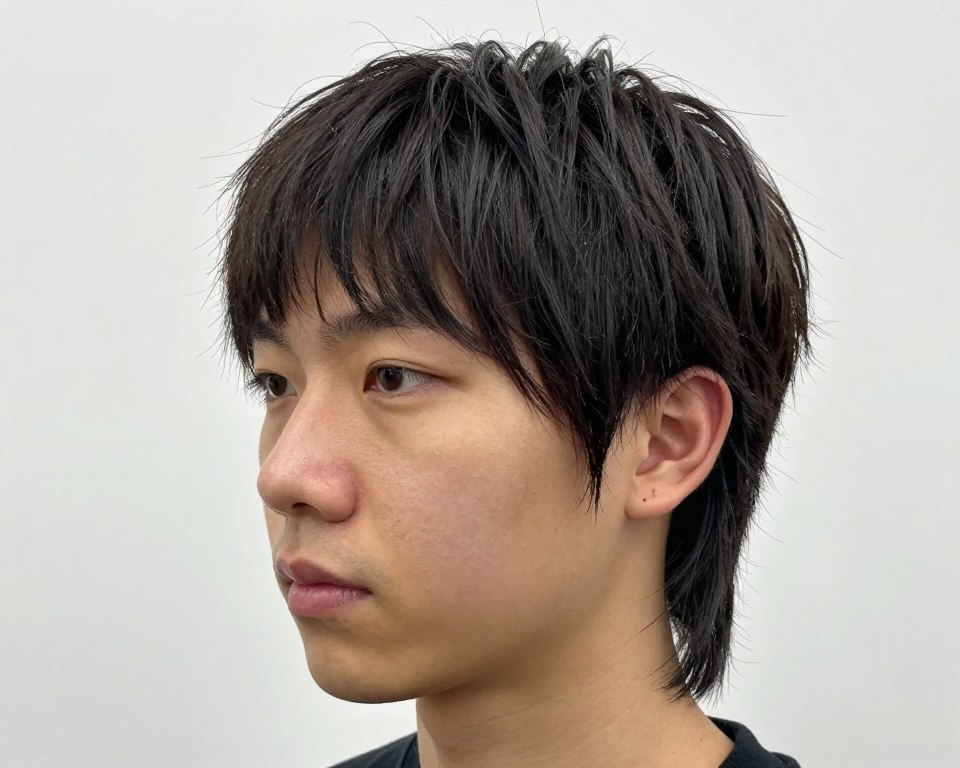
Front sections can be longer to frame the face. Sides should taper rather than cut straight across. The goal involves balancing strength with softness.
Heart-Shaped Faces
Heart-shaped faces feature wider foreheads and narrower chins. Mullets should balance these proportions by adding volume near the jawline. Avoid excessive top volume that emphasizes the forehead.
Medium-length front sections work well. Side-swept or curtain bangs help narrow the forehead appearance. The longer back adds weight to balance upper facial width.
Textured sides rather than slicked-back styles prevent drawing attention to the forehead. Layers around the face create flattering dimensions.
Oblong Face Shapes
Oblong or long faces benefit from mullets that add width rather than height. Horizontal volume balances vertical length. Avoid styles that elongate further.
Shorter mullet variations work better than dramatic lengths. The back should have volume but not extreme length. Focus width-generating techniques at the sides and back.
Textured front sections add width around the face. Avoid sleek, pulled-back styles that emphasize length. The mullet’s natural width from the longer back helps balance the face.
Best Mullet Features for Your Face Shape
- Oval: Any style works, experiment freely with variations
- Round: Add height on top, keep sides short and tight
- Square: Incorporate texture and layers to soften angles
- Heart: Balance with volume at jawline, softer front sections
- Oblong: Add width, avoid excessive length or height
Features to Avoid Based on Face Shape
- Oval: Extreme proportions that disrupt natural balance
- Round: Excessive width at sides, flat top sections
- Square: Blunt cuts, harsh lines, slicked-back styles
- Heart: Heavy top volume, styles that hide the jawline
- Oblong: Extreme height on top, very long back sections
Additional Considerations Beyond Face Shape
Hair texture influences how mullets appear on any face shape. Curly hair adds volume that affects proportions. Fine hair may require more dramatic cutting to achieve visible contrast.
Personal features like nose size, ear shape, and neck length also matter. A skilled stylist considers these elements when customizing your mullet. Professional consultation ensures the best result for your unique characteristics.
Ready to Find Your Perfect Mullet Style?
Consult with an experienced stylist who understands face shapes and modern mullet techniques. Professional expertise ensures your cut flatters your unique features and matches your lifestyle.
Essential Styling Techniques for Your Mullet Haircut
Proper styling transforms a good mullet into a great one. Techniques vary based on desired look, hair texture, and occasion. Mastering fundamental approaches provides versatility for any situation.
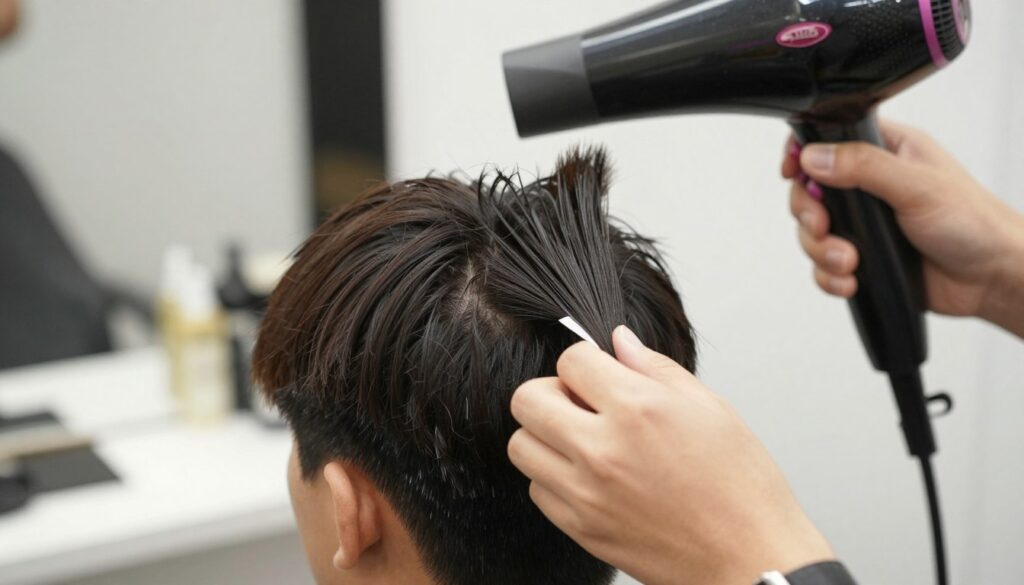
Daily Styling Basics for the Modern Mullet
Morning routines establish your mullet’s foundation. Start with clean, towel-dried hair. Excess water should be removed but hair remains damp for product application.
Apply styling products while hair retains moisture. Work products through from roots to tips. Distribute evenly to avoid clumping or uneven texture.
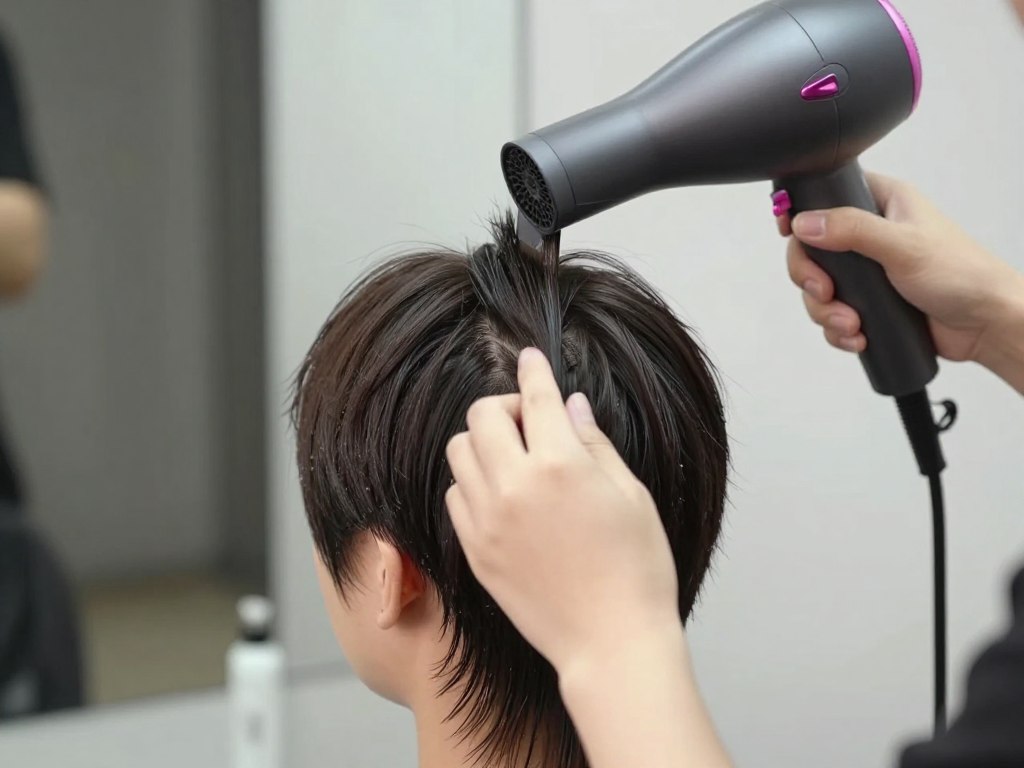
The blow dryer becomes your primary styling tool. Direct airflow strategically to shape hair. Heat and direction create volume, texture, and flow.
Creating Volume and Height on Top
Volume at the crown adds dimension to modern mullets. Lift hair at roots while blow-drying. Direct airflow upward and back to build height.
Use a round brush for maximum lift. Section the top back area and wrap hair around the brush. Apply heat while pulling upward. This technique creates lasting volume.
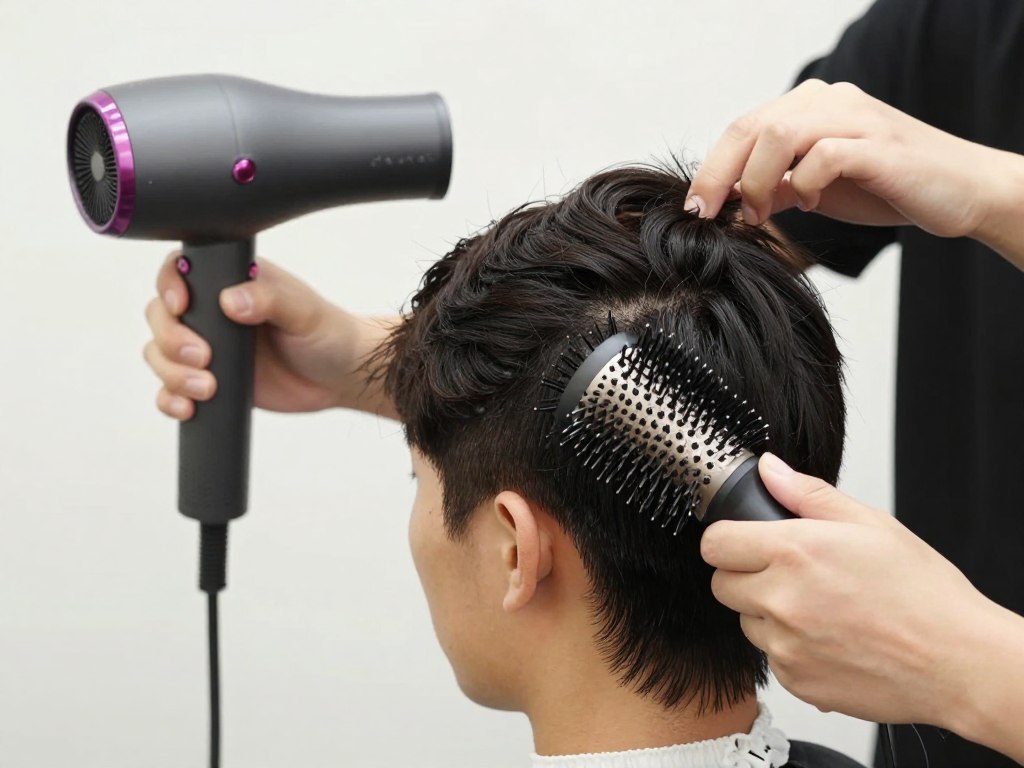
Volumizing products enhance this effect. Apply mousse or volumizing spray at roots before drying. These products provide structure and hold that maintains height throughout the day.
Finish with hairspray to lock in volume. Light mists prevent stiffness while maintaining lift. Focus spray at the base rather than coating all hair.
Texturizing and Defining the Front Sections
The front requires different approaches than the back. Short top sections benefit from piece-y, separated texture. This creates modern, intentional styling rather than flat appearance.
Clay or styling paste works well for texture. Take small amounts and work through front sections. Separate pieces with fingers to create definition.
Forward styling adds edge to the look. Push front sections slightly forward or to the side. This technique frames the face while showcasing texture.
Matte finish products suit textured fronts best. Shine can appear greasy on short sections. Clay provides hold without gloss, maintaining natural appearance.
Managing and Styling the Longer Back
The back defines the mullet and requires specific attention. Different occasions call for various back-styling approaches. Versatility comes from mastering multiple techniques.
The Flowing Back Natural Look
This approach emphasizes natural hair movement. After applying sea salt spray to damp hair, blow-dry while running fingers through the back. Allow hair to fall naturally without excessive manipulation.
The sea salt spray adds texture and creates subtle waves. This product mimics beachy, windswept appearance. Hair appears effortlessly styled rather than overly managed.
Let longer hair flow freely without forcing direction. Natural fall patterns look most authentic. Light texturizing keeps hair from appearing too polished or stiff.
Slicked-Back Sophisticated Style
For professional settings or polished looks, slick the entire mullet back. Apply gel or pomade to damp hair. Use a comb to direct everything backward smoothly.
This technique showcases the mullet’s shape while appearing refined. The contrast between slicked top and flowing back becomes more pronounced. Face features are fully exposed and emphasized.
Medium to strong hold gel maintains this style throughout the day. Apply generously for sleek finish. The back can remain flowing or be gathered for neater appearance.
Curly and Wavy Back Styling
Natural waves and curls require specific handling. Apply curl-enhancing cream to wet hair. Scrunch sections to encourage curl formation.
Diffuse rather than blow-dry directly. The diffuser attachment prevents frizz while drying curls. Use low heat and gentle airflow to maintain curl definition.
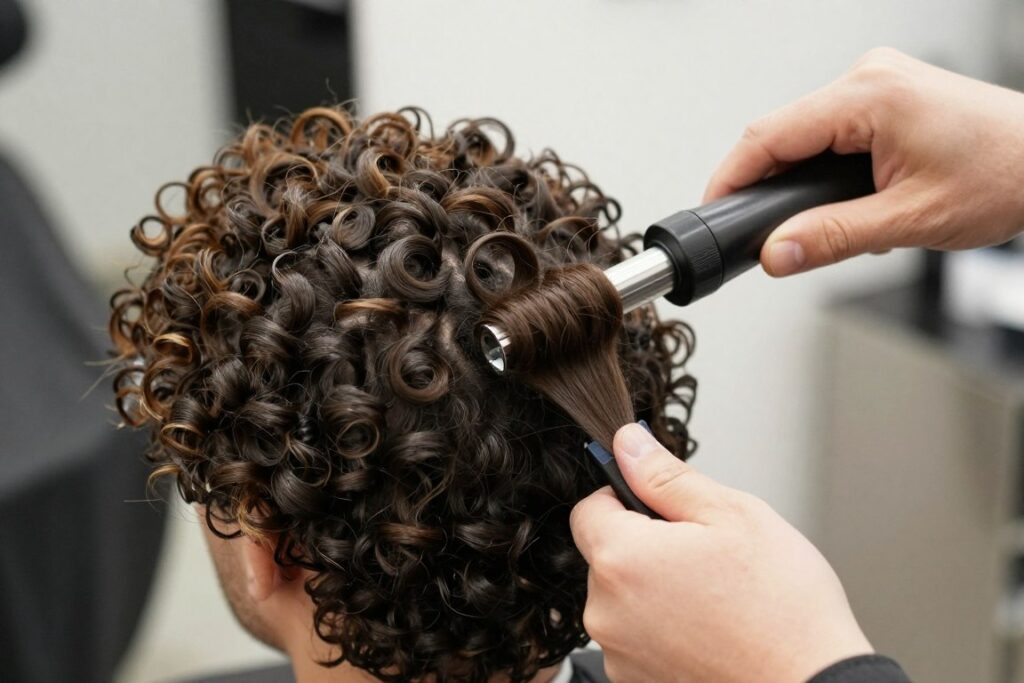
Avoid touching hair excessively while drying. Manipulation creates frizz and disrupts curl pattern. Allow curls to form naturally with minimal interference.
Finish with light oil or serum. These products add shine and combat frizz. Apply to ends and mid-lengths, avoiding roots to prevent greasiness.
Using Sea Salt Spray for Texture and Movement
Sea salt spray has become essential for modern mullet styling. This product creates texture, adds volume, and generates natural-looking waves. Understanding proper application maximizes benefits.
Spray onto damp hair before styling. Cover all sections from top to back. The salt content adds grip and texture that enhances styling efforts.
Scrunch hair while spraying for maximum effect. This action encourages wave formation and distributes product evenly. Focus on mid-lengths and ends rather than roots.
Sea salt spray works particularly well for the longer back. The product creates beachy texture that adds movement. Hair appears lived-in and effortlessly cool rather than precisely styled.
Layer sea salt spray with other products. Apply spray first for texture, then add clay or paste for hold. This combination provides both definition and staying power.
Blow Dryer Techniques for Different Effects
The blow dryer offers more than simple drying. Technique and direction create specific styling outcomes. Mastering varied approaches provides daily versatility.
Blow-Drying for Straight, Sleek Finish
Point airflow downward following hair’s natural direction. Use a paddle brush to smooth hair while drying. Keep the blow dryer moving to prevent heat damage.
This technique works for sophisticated, polished looks. Hair lies flat and smooth without frizz. The mullet’s shape remains visible with clean lines.
Blow-Drying for Volume and Texture
Flip your head upside down while drying. Direct airflow at roots from underneath. This creates maximum lift and volume throughout.
Once mostly dry, flip head back upright. Continue styling specific sections as desired. The foundation of volume remains while you refine the shape.
Blow-Drying with Diffuser for Natural Waves
The diffuser attachment distributes airflow gently. Cup sections of hair in the diffuser bowl. Hold for several seconds before moving to the next section.
This method enhances natural texture without creating frizz. Waves and curls maintain definition. The result appears naturally tousled rather than heat-styled.
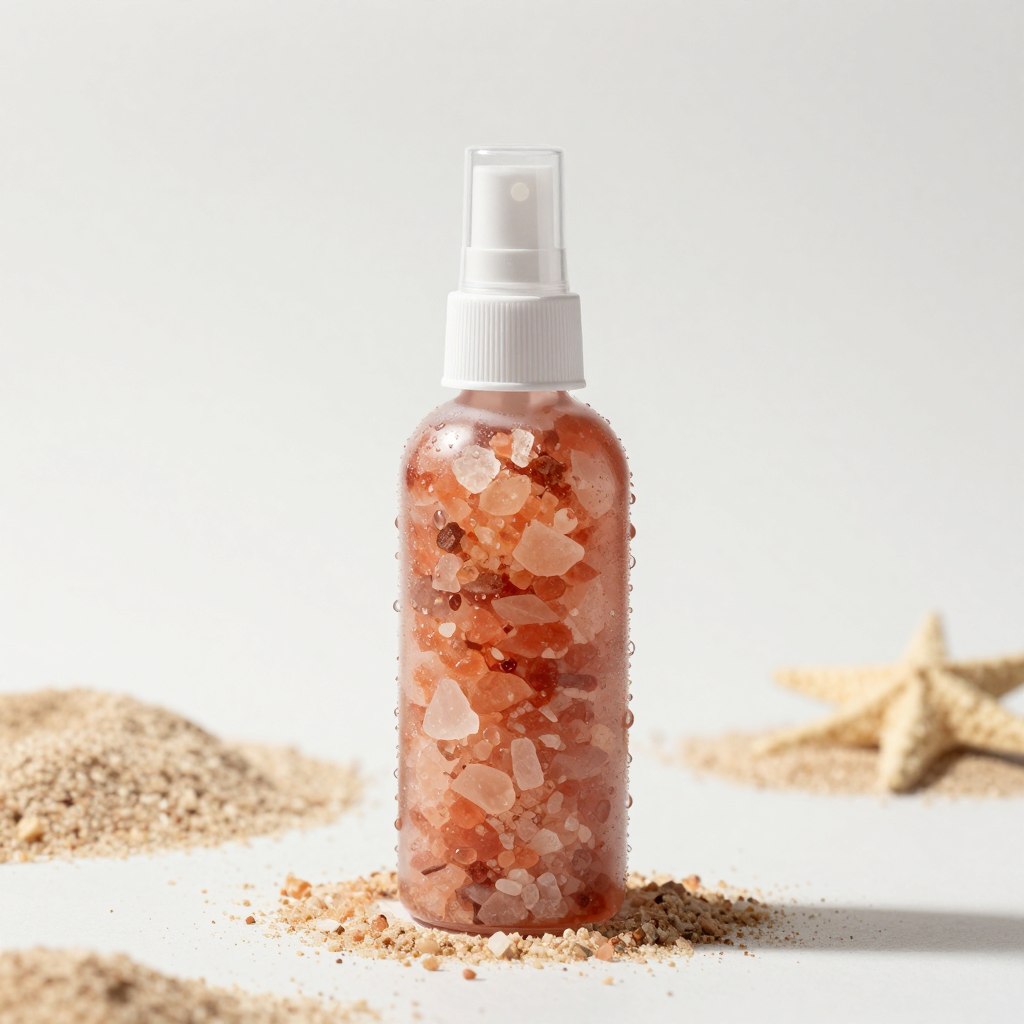
Premium Sea Salt Spray
Create beachy texture and natural waves with this essential mullet styling product. Adds volume and grip for effortless, tousled looks. Perfect for achieving that flowing back modern mullet style.
- Builds texture without stiffness
- Enhances natural waves and movement
- Lightweight formula won’t weigh hair down
- Ideal for long back sections
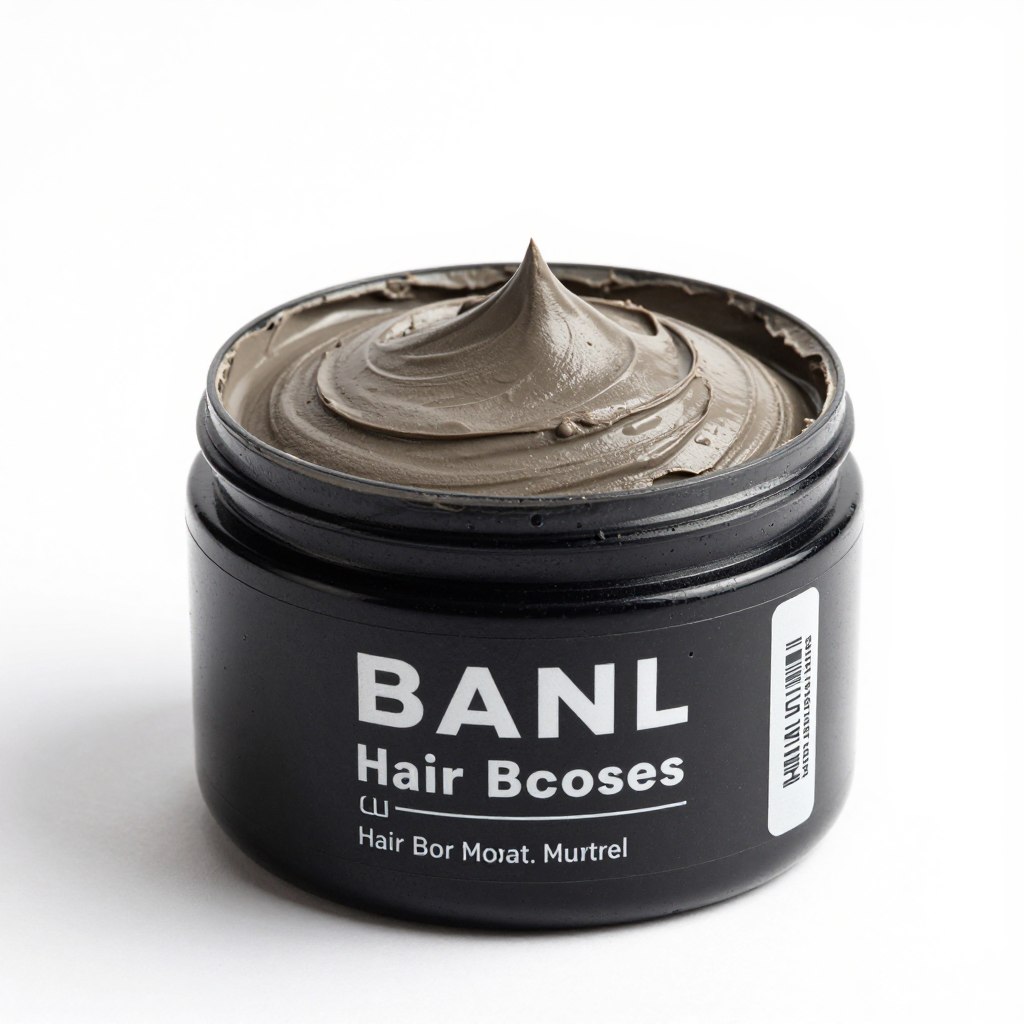
Texturizing Matte Clay
Define and shape your mullet with strong-hold clay. Creates piece-y texture and separation in front sections. Matte finish maintains a natural look without shine or greasiness.
- Strong hold for all-day styling
- Matte finish for natural appearance
- Adds thickness and texture
- Reworkable throughout the day
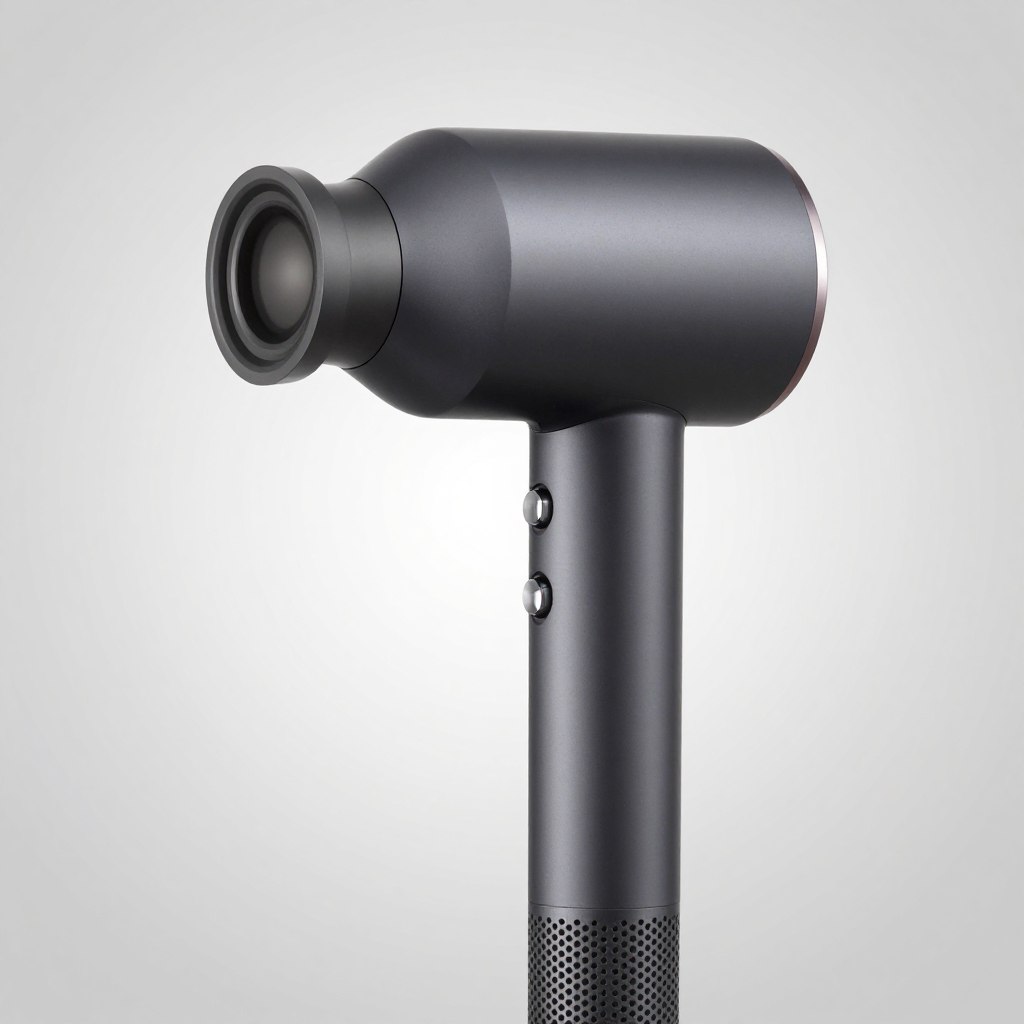
Professional Blow Dryer
Essential tool for creating volume and shaping your modern mullet. Multiple heat settings and concentrator nozzle provide precision styling. Fast drying time preserves hair health while achieving desired looks.
- Multiple heat and speed settings
- Includes concentrator and diffuser
- Reduces frizz with ionic technology
- Professional salon-quality results
Adapting Styles for Different Occasions
The mullet’s versatility shines through situational styling. Professional environments require different approaches than casual settings. Quick adjustments transform the same haircut for various contexts.
Professional and Workplace Styling
For conservative environments, emphasize neatness over texture. Slick the front and sides back smoothly. Use gel for polished finish. The back can be tucked under collar or styled to flow neatly down.
Keep volume moderate rather than dramatic. Avoid excessive texture or piece-y sections. The goal involves looking put-together while maintaining the mullet structure.
Casual and Weekend Looks
Embrace texture and movement for relaxed settings. Apply sea salt spray liberally. Let hair air-dry partially for natural waves. Use minimal products to maintain effortless appearance.
The flowing back looks best when natural. Avoid over-styling or forcing hair into unnatural positions. Casual mullet styling celebrates the haircut’s inherent character.
Evening and Special Events
Add shine and definition for nights out. Use pomade or glossy products. Style front sections with more precision. The back can be left flowing or gathered into a low ponytail for unique twist.
Consider adding light gel to create wet-look styling. This dramatic approach suits special occasions. The mullet becomes statement-making centerpiece of your appearance.
Mullet Haircut Maintenance and Hair Care Essentials
Maintaining a mullet requires specific attention to keep it looking intentional rather than neglected. Regular care preserves the style’s shape and health. Proper maintenance extends time between salon visits.
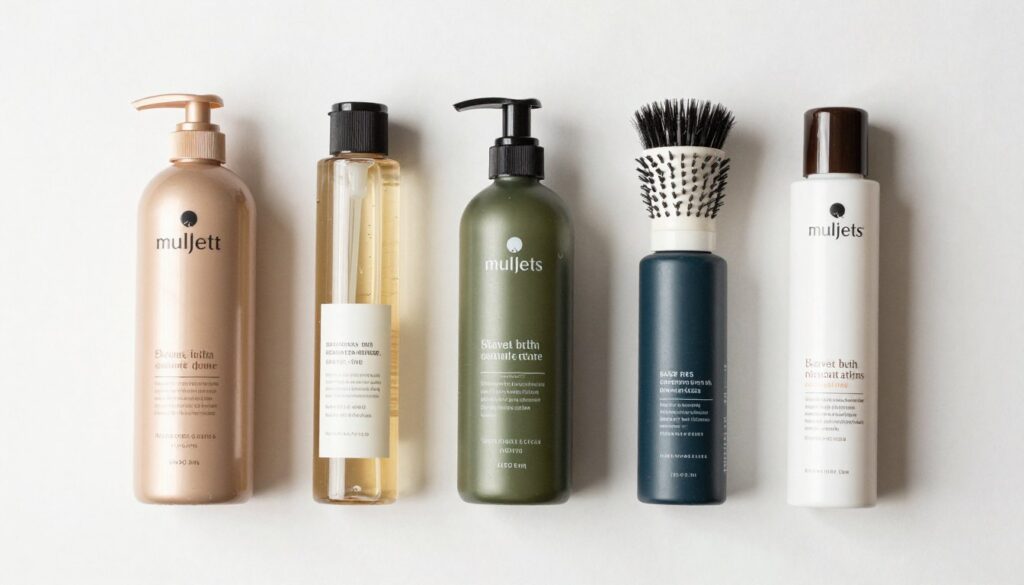
Regular Trimming Schedule
Mullets demand consistent trims to maintain proportions. The sides and top grow quickly and can disrupt the style’s balance. Professional maintenance every three to four weeks keeps lines clean.
The back requires less frequent trimming. Every six to eight weeks suffices for most people. This schedule maintains length while removing split ends and damage.
Communicate clearly with your stylist about desired lengths. Bring reference photos to each appointment. Consistent visits with the same stylist produce the best results.
Managing the Awkward Growing-Out Phases
Growing a mullet from shorter hair involves patience. The initial stages appear awkward as lengths develop unevenly. Strategic styling helps bridge these transitional periods.
Focus on growing the back while maintaining short sides. This approach establishes mullet proportions gradually. The back may take several months to reach desired length.
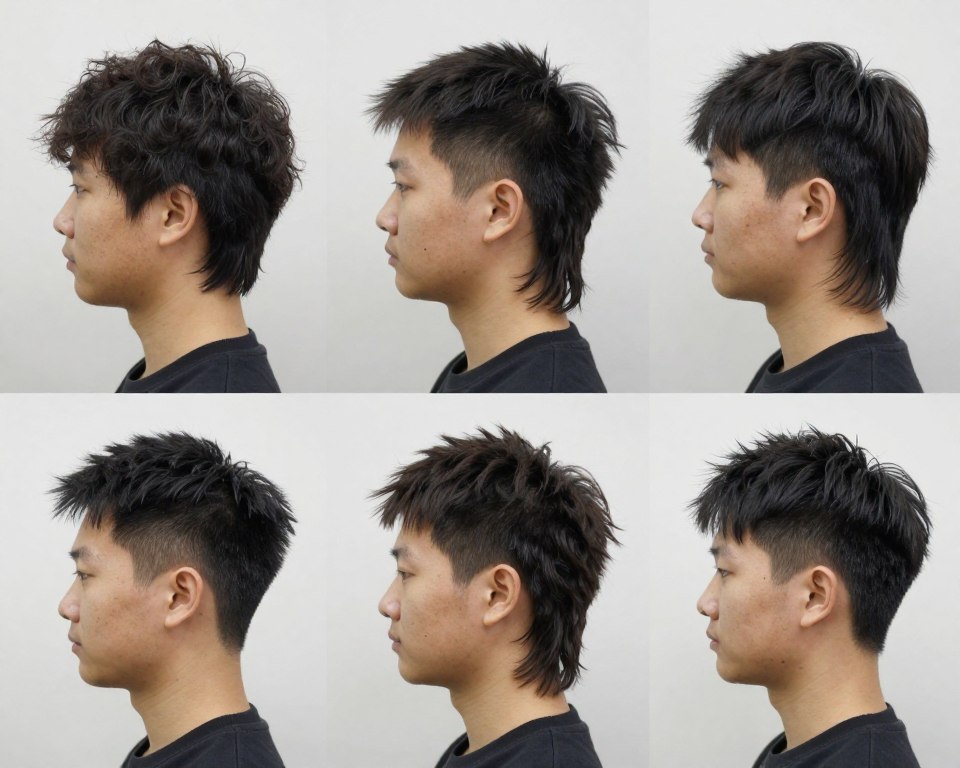
During growth phases, experiment with different styling techniques. Slicking hair back camouflages uneven lengths. Hats and headbands can help on particularly awkward days.
Avoid the temptation to trim the back prematurely. Patience yields better final results. Trust the process and maintain vision for your target style.
Washing and Conditioning Best Practices
Proper cleansing preserves hair health without stripping natural oils. Wash mullets two to three times weekly for most hair types. Daily washing can dry out longer back sections.
Focus shampoo on the scalp and shorter sections. These areas accumulate more oil and product buildup. Let shampoo rinse down through longer sections rather than scrubbing them vigorously.
Conditioner concentrates on mid-lengths and ends. The longer back benefits most from moisturizing treatment. Avoid applying conditioner to roots which can create greasiness.
Leave conditioner on for several minutes before rinsing. This allows ingredients to penetrate hair shafts. Thorough rinsing prevents product buildup and dullness.
Deep Conditioning Treatments
The longer back section requires extra moisture. Weekly deep conditioning treatments prevent dryness and damage. These intensive products repair and strengthen hair.
Apply deep conditioner after shampooing. Focus on the longest sections which endure most environmental stress. Cover hair with a shower cap to enhance penetration.
Leave treatment on for recommended time or longer. Heat from shower steam helps ingredients work more effectively. Rinse thoroughly with cool water to seal cuticles.
Dealing with Split Ends and Damage
Long back sections face higher risk of split ends. Regular trims remain the only true solution for existing splits. Prevention through proper care reduces future damage.
Avoid excessive heat styling when possible. Always use heat protectant products before blow-drying. Lower temperature settings prevent damage while still achieving desired styles.
Limit chemical treatments and color processing. These services weaken hair structure. If coloring, invest in professional services and quality aftercare products.
Silk or satin pillowcases reduce friction during sleep. This simple change prevents breakage and maintains smoothness. Hair glides across fabric rather than catching and breaking.
Daily Mullet Hair Care Routine
- Gently detangle hair starting from ends working upward
- Apply leave-in conditioner to longer back sections
- Use heat protectant before any hot tool styling
- Style with appropriate products for desired look
- Finish with light hairspray or serum for hold and shine
Weekly Maintenance Tasks
- Deep condition longer sections for intensive moisture
- Clarify scalp to remove product buildup
- Trim any visible split ends at home if needed
- Assess style and book trim appointment if necessary
- Clean styling tools and brushes thoroughly
Managing Different Hair Textures
Straight hair requires volume-building products to prevent flat appearance. Mousse and volumizing sprays add body. The long back may need texturizing to avoid limp, lifeless look.
Wavy hair thrives with the right products. Curl-enhancing creams define waves without creating crunch. Sea salt spray amplifies natural texture beautifully on wavy mullets.
Curly hair needs maximum moisture. Heavy conditioners and leave-in treatments prevent dryness. Avoid products with alcohol which cause frizz. Embrace natural curl pattern rather than fighting it.
Coarse hair benefits from smoothing serums and oils. These products tame frizz while adding shine. Rich, creamy styling products provide control without stiffness.
Fine hair requires lightweight products to avoid weighing down. Volumizing formulas add body without heaviness. Avoid thick creams and butters that flatten fine textures.
Protecting Your Mullet from Environmental Damage
Sun exposure fades color and dries out hair. Wear hats during extended outdoor time. UV-protective hair products shield against sun damage.
Chlorine and salt water wreak havoc on longer sections. Wet hair with fresh water before swimming. This prevents absorption of damaging chemicals. Apply leave-in conditioner as additional protection.
Cold weather and indoor heating dry out hair. Use extra conditioning treatments during winter months. Consider using a humidifier to add moisture to indoor air.
Wind tangles and damages longer back sections. Braid or secure long hair during windy conditions. This simple step prevents knots and breakage.
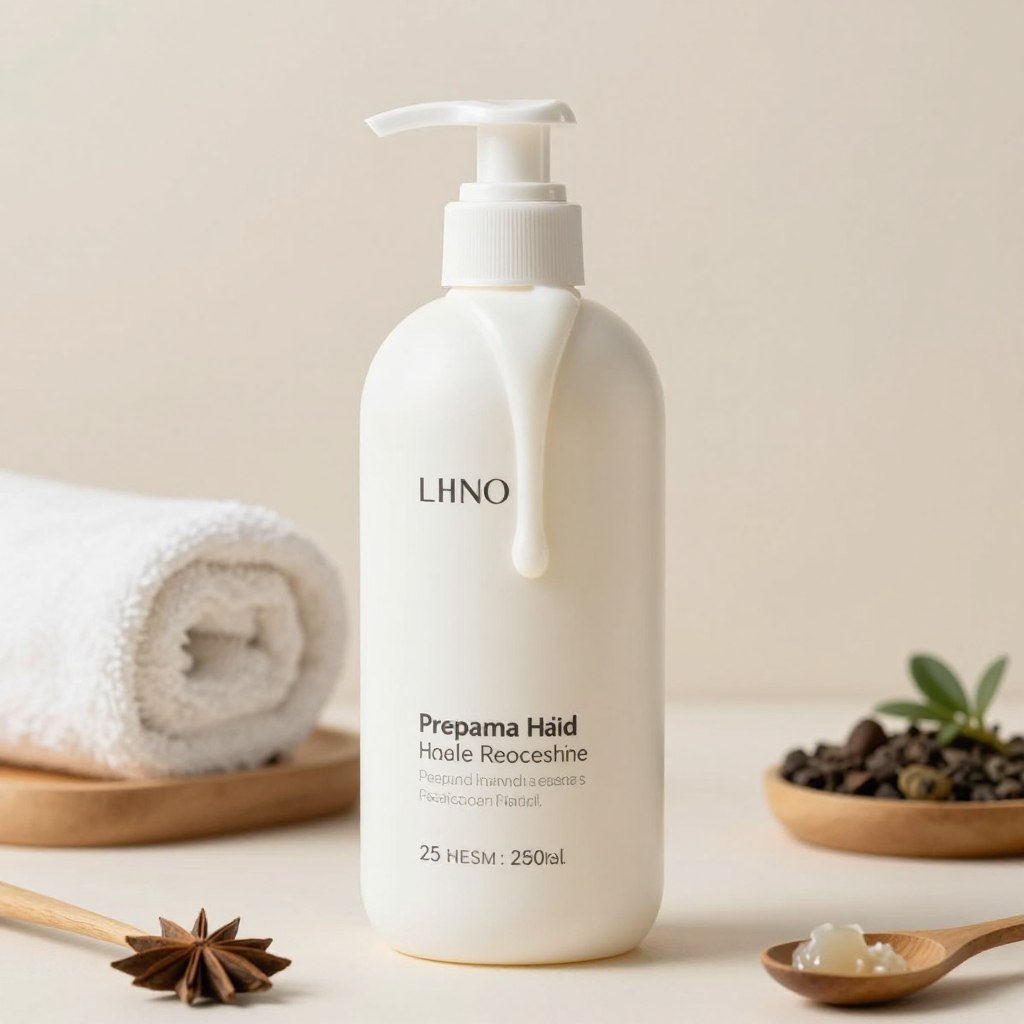
Intensive Moisturizing Conditioner
Keep your long back healthy and hydrated with rich conditioning formula. Repairs damage while preventing split ends. Essential for maintaining the flowing, lustrous appearance of modern mullets.
- Deep moisture for longer sections
- Repairs and prevents split ends
- Adds shine without weighing down
- Color-safe and sulfate-free
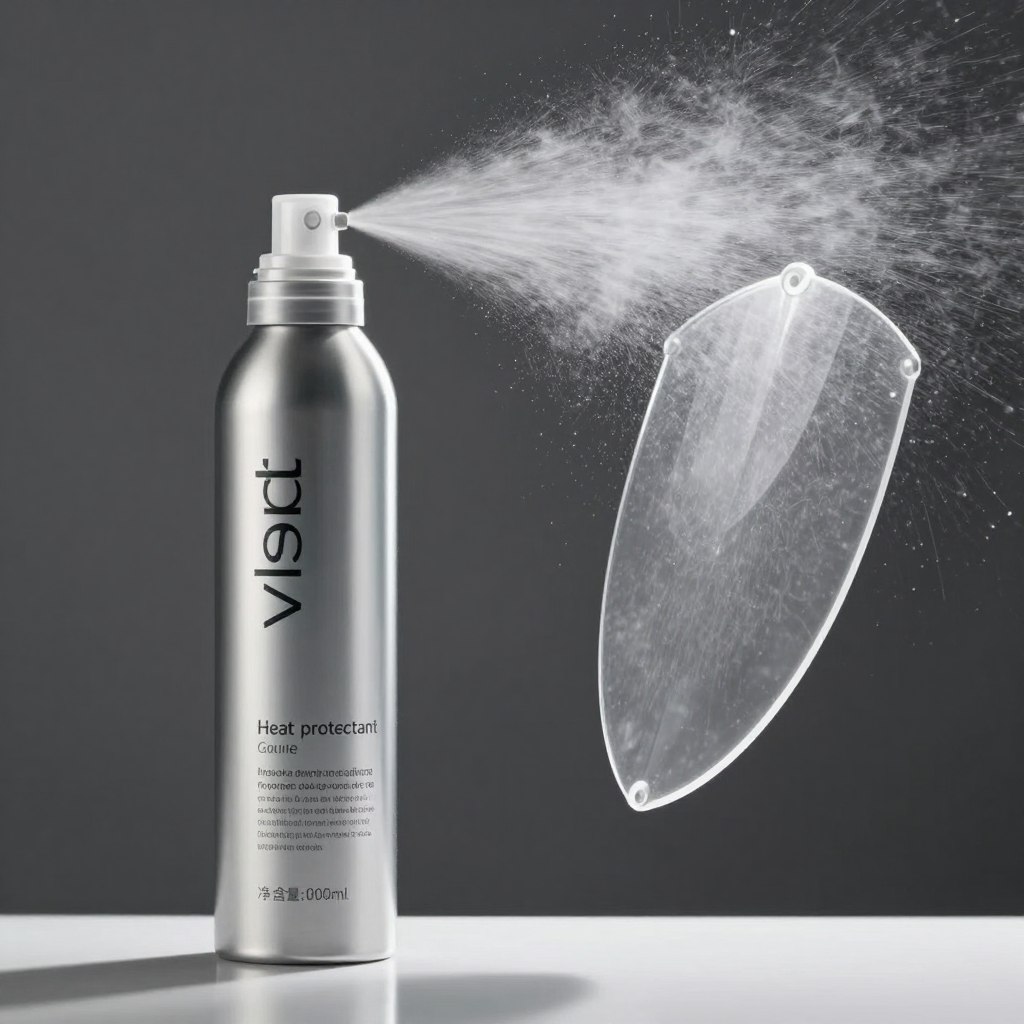
Thermal Protection Spray
Shield your mullet from heat damage during styling. Creates protective barrier before blow dryer use. Maintains hair health while allowing you to achieve your desired style daily.
- Protects up to 450°F heat
- Prevents breakage and damage
- Adds light hold for easier styling
- Reduces frizz and static
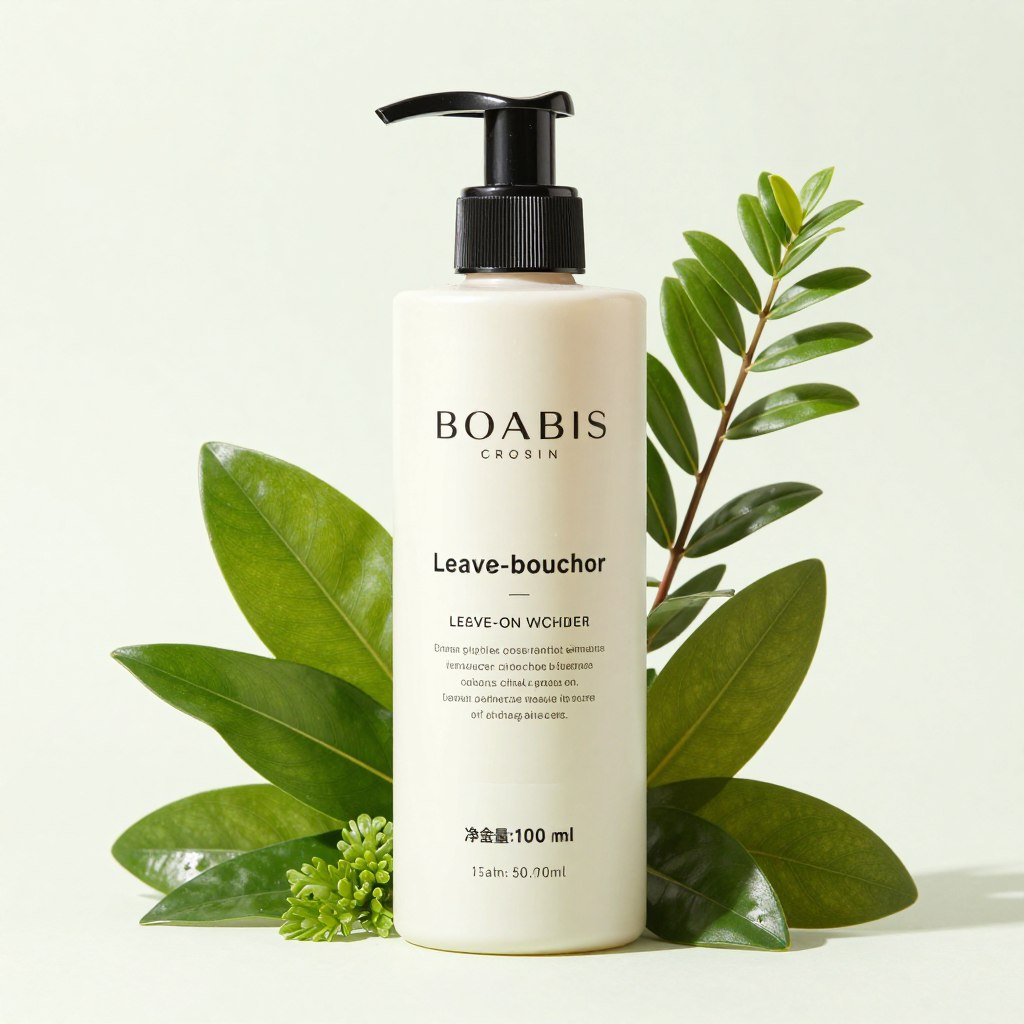
Leave-In Conditioning Treatment
Provide continuous moisture and protection throughout the day. Detangles longer sections while adding shine and softness. Perfect for maintaining healthy hair between washes.
- No-rinse convenience formula
- Detangles and smooths texture
- UV protection included
- Lightweight, non-greasy finish
Nighttime Care Routine
Proper nighttime habits preserve daytime styling efforts. Brush hair gently before bed to remove tangles. Use a boar bristle brush which distributes natural oils.
Consider loosely braiding or tying longer sections. This prevents tangling during sleep. Avoid tight elastics which create dents and breakage.
Apply a small amount of hair oil to ends before sleeping. This overnight treatment adds moisture and prevents dryness. Focus on the longest sections that need most care.
Sleep on silk or satin pillowcases as mentioned earlier. This investment pays dividends in reduced breakage and maintained style. Cotton pillowcases create friction that damages hair.
Essential Styling Products for Perfect Mullet Hair
The right products transform good mullet styling into exceptional results. Understanding product categories and their purposes guides smart purchasing decisions. Quality products make styling easier and results longer-lasting.
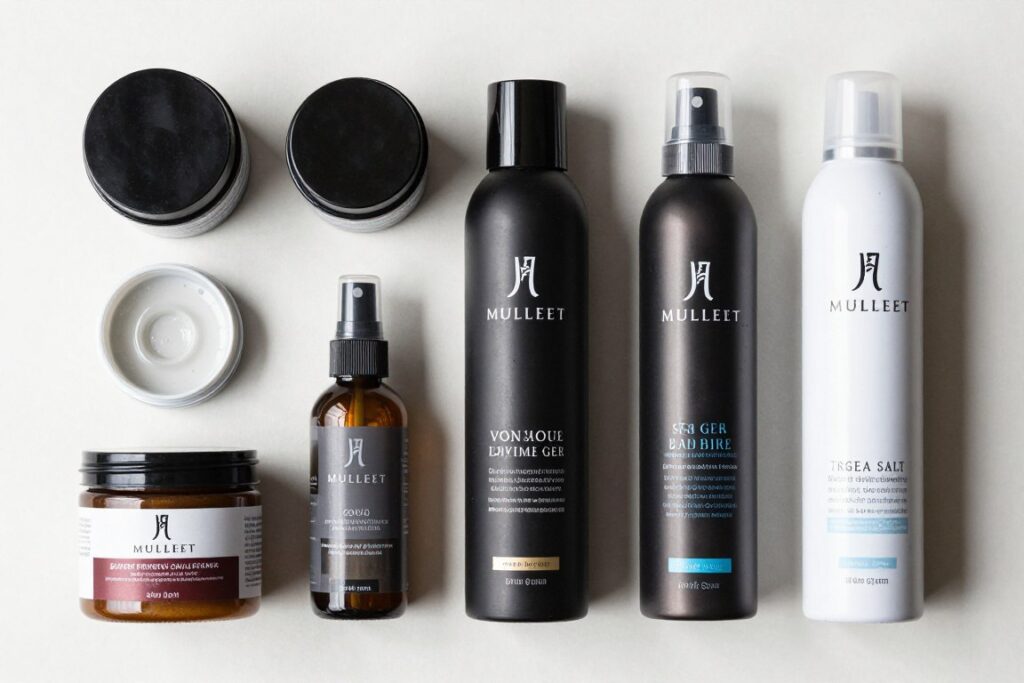
Texture Products: Clay, Paste, and Pomade
Clay provides matte finish with strong hold. This product works perfectly for creating piece-y, separated texture in shorter sections. Clay adds thickness and grip without shine.
Apply clay to dry or slightly damp hair. Rub between palms to warm and soften. Work through front and top sections for definition. Small amounts go far with quality clay products.
Paste offers medium hold with slight shine. This versatile product suits various styling needs. Paste provides flexibility to rework hair throughout the day without losing hold.
Pomade delivers high shine and strong hold. Water-based pomades wash out easily while oil-based versions provide maximum hold. Use pomade for slicked-back, polished mullet looks.
Sea Salt Spray: The Mullet Essential
Sea salt spray has become synonymous with modern mullet styling. This product creates beachy texture and enhances natural waves. The salt content adds grip that makes styling easier.
Quality sea salt spray contains more than just salt water. Look for products with added conditioners to prevent excessive dryness. Some formulas include natural oils for added benefits.
Apply sea salt spray to damp hair before styling. Spray generously through mid-lengths and ends. Scrunch hair while spraying to encourage texture and wave formation.
Layer sea salt spray with other products for enhanced effects. Use it as foundation then add clay or paste for hold. This combination creates textured styles with staying power.
Some salt sprays work on dry hair for refreshing day-old styles. Mist lightly and scrunch to revive texture and add volume. This technique extends time between full styling sessions.
Volumizing Products: Mousse and Root Lifters
Mousse adds body and volume throughout the hair. This lightweight foam distributes easily through damp hair. Modern formulas provide hold without crunchiness or stiffness.
Apply mousse from roots to tips before blow-drying. Use more product at the roots for maximum lift. The foam expands as it dries creating natural-looking volume.
Root lifters target the scalp area specifically. These products come in spray or powder form. Apply directly to roots then blow-dry for elevated lift at the crown.
Volume powder offers dry application option. Sprinkle powder at roots then massage into scalp. This creates instant lift and texture without wet styling.
Hold Products: Gel, Hairspray, and Finishing Sprays
Gel provides maximum hold for structured styles. Use gel for slicked-back looks or when you need all-day control. Modern gels offer strong hold without flaking.
Apply gel to very wet hair for smoothest distribution. Comb through to ensure even coverage. Let air dry or blow-dry for different finish levels.
Hairspray locks in finished styles. Light-hold sprays maintain movement while preventing flyaways. Strong-hold versions keep styles unchanged for hours.
Mist hairspray from ten inches away for even coverage. Avoid over-application which creates stiffness. Layer light coats rather than one heavy application.
Finishing sprays add shine and seal styles. These products don’t provide hold but enhance appearance. Use as final step for polished, complete looks.
Treatment Products for Health and Shine
Leave-in conditioners provide ongoing moisture and protection. Apply to damp hair focusing on longer sections. These products detangle while conditioning continuously.
Hair oils add shine and combat frizz. Natural oils like argan or jojoba nourish without heaviness. Apply small amounts to ends working upward gradually.
Serums smooth hair cuticles for glossy finish. Silicone-based serums create immediate shine. Use sparingly as excess application looks greasy.
Heat protectants shield hair from styling tool damage. Never skip this step before blow-drying or using hot tools. Protection prevents long-term damage accumulation.
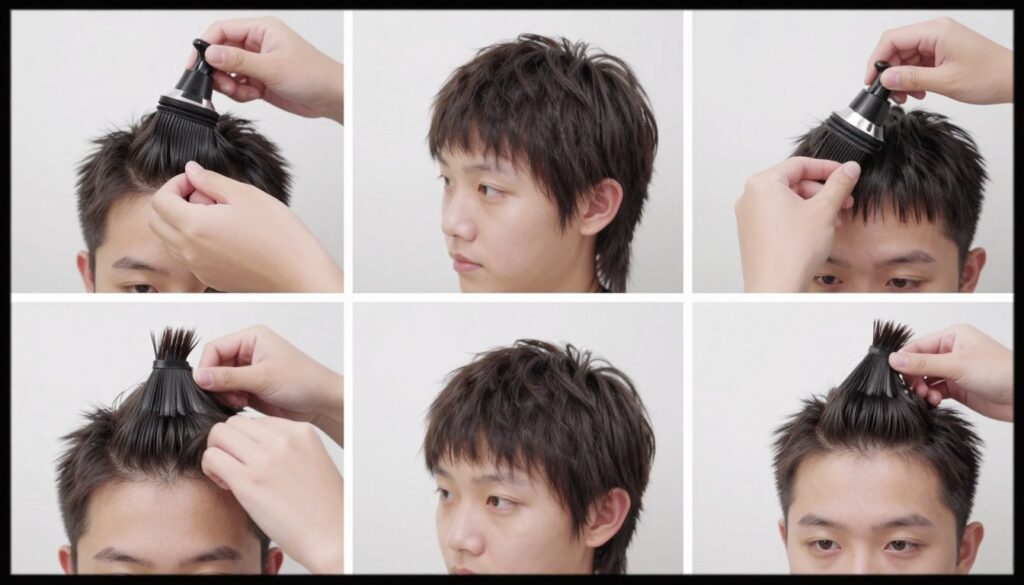
Product Selection Based on Hair Type
Fine hair requires lightweight formulations. Heavy products weigh down and flatten fine textures. Choose volumizing products and avoid thick creams.
Thick hair handles heavier products well. Rich creams and butters provide control without weighing down. Strong-hold products maintain thick hair better.
Curly hair needs moisture-rich products. Cream-based styling products define curls while preventing frizz. Avoid alcohol-based products that create dryness.
Straight hair benefits from texturizing products. Clay and sea salt spray add necessary grip and dimension. Without these, straight hair can appear flat.
Building Your Product Collection
Start with essentials before expanding your collection. Sea salt spray, quality clay, and basic hairspray cover most styling needs. Add specialized products as you identify specific requirements.
Invest in one high-quality product from each category. Better products perform more effectively with less quantity needed. Quality outweighs having numerous mediocre options.
Experiment to find favorite brands and formulations. What works for others may not suit your hair. Trial and error identifies perfect product matches.
Read reviews and seek recommendations from your stylist. Professional insights guide smart purchases. Stylists understand products deeply and can suggest specific formulas.
Must-Have Products
- Sea salt spray for texture and waves
- Matte clay for definition and hold
- Volumizing mousse for lift and body
- Light-hold hairspray for finishing
- Heat protectant for styling safety
- Quality conditioner for hair health
Nice-to-Have Products
- Pomade for polished looks
- Hair oil for shine and smoothness
- Texture paste for versatile styling
- Strong-hold gel for slicked styles
- Dry shampoo for between washes
- Root lifter for extra volume
Optional Specialty Products
- Color-enhancing products if dyed
- Curl-defining cream for wavy/curly hair
- Shine spray for glossy finish
- Thickening tonic for fine hair
- Anti-frizz serum for humidity
- Scalp treatment for hair health
Application Techniques for Best Results
Always start with small amounts. You can add more but removing excess proves difficult. Build product gradually until achieving desired effect.
Distribute products evenly through sections. Uneven application creates patchy results. Take time to work products thoroughly from roots to tips where appropriate.
Combine products strategically for enhanced effects. Use sea salt spray first for texture foundation. Add clay or paste for hold and definition. Finish with hairspray to lock everything in place.
Clean hands between product applications. Mixing products on hands before application dilutes their effectiveness. Each product performs best when applied individually.
Stock Up on Professional Mullet Styling Products
Quality products make the difference between good and exceptional mullet styling. Invest in professional-grade formulas that deliver salon-worthy results at home. Build your collection with proven favorites used by top stylists.
How to Cut and Shape a Mullet Haircut
Understanding mullet cutting principles helps communicate with stylists and maintain the shape. While professional cutting achieves best results, knowing the process ensures you get exactly what you envision.
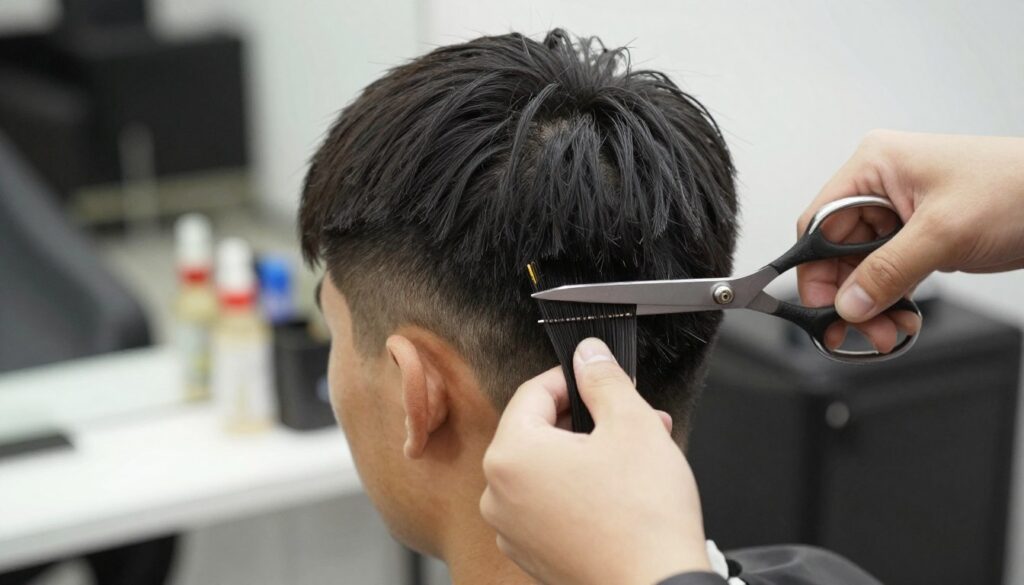
Basic Cutting Principles
The mullet requires sectioning hair into distinct zones. Top, sides, and back receive different treatments. Understanding these sections helps achieve proper proportions.
The top section runs from forehead to crown. This area determines the hair’s height and volume potential. Length here typically ranges from two to four inches.
Side sections extend from temples to behind ears. These areas create the mullet’s signature contrast. Sides can be buzzed, faded, or cut with scissors depending on desired style.
The back section holds the mullet’s defining feature. This area begins at the crown and extends downward. Length varies dramatically based on personal preference.
Professional Cutting Techniques
Point cutting creates texture and removes bulk. Stylists cut into hair at angles rather than straight across. This technique generates natural-looking layers and movement.
Razor cutting produces softer edges and increased texture. The razor slices through hair creating feathered ends. This method works particularly well for shag-influenced mullets.
Clipper work shapes sides and creates fades. Guards determine length gradation. Skilled barbers blend different guard sizes for smooth transitions.
Scissor-over-comb technique refines shorter sections. The comb lifts hair while scissors cut above it. This method achieves precise lengths and clean lines.
Creating Different Mullet Variations
The classic modern mullet maintains moderate proportions throughout. Sides are shortened but not buzzed completely. The back reaches shoulder length with subtle layering.
Skin fade mullets require advanced clipper skills. Fades start from bare skin gradually increasing to longer lengths. The dramatic contrast demands precise blending technique.
Textured mullets incorporate heavy layering. Multiple layer lengths create dimension and movement. This cutting approach prevents flat, heavy appearance.
Shag mullet hybrids combine techniques from both styles. Extensive layering continues from crown to ends. Face-framing pieces add softness around features.
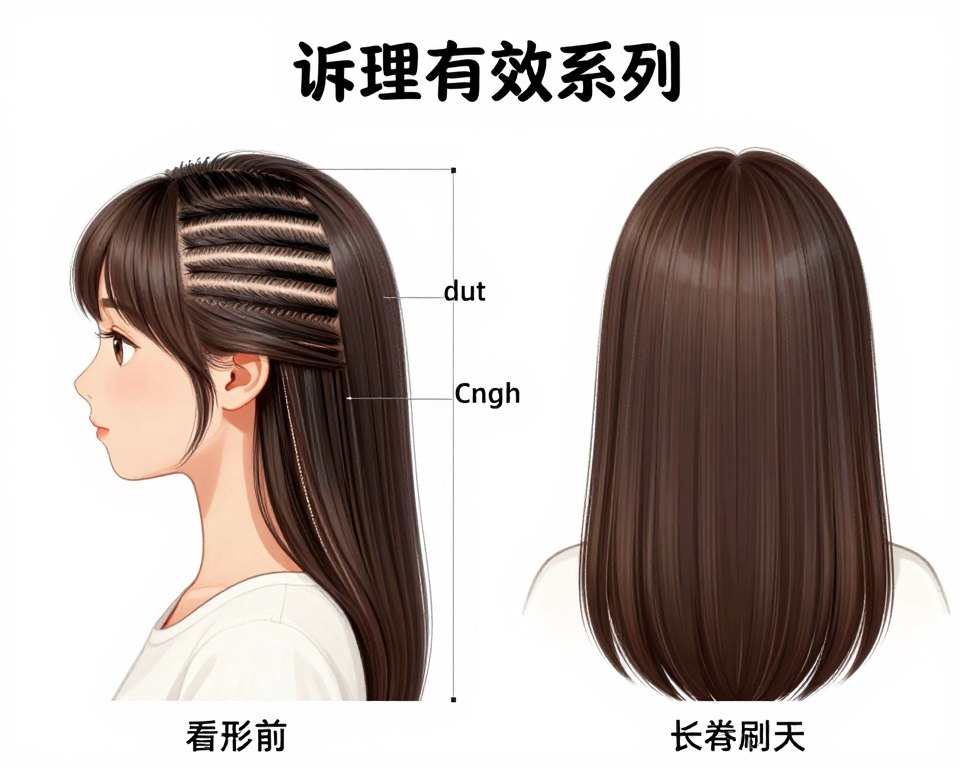
Communicating with Your Stylist
Bring multiple reference photos to consultations. Pictures communicate vision better than words alone. Show various angles including front, sides, and back views.
Discuss lifestyle and maintenance commitment honestly. Your stylist can adjust the cut based on daily styling time available. Realistic expectations prevent disappointment.
Be specific about length preferences. Use measurements or point to your body for reference. “Shoulder-length” means different things to different people.
Ask questions about maintenance requirements. Understanding upkeep needs helps determine if the style suits your life. Good stylists provide honest assessments.
At-Home Maintenance Cuts
Professional cuts should handle the initial shape and proportions. Home maintenance can extend time between salon visits. Simple tasks keep the style fresh between appointments.
Trimming split ends prevents damage from traveling up hair shafts. Use sharp hair scissors and cut minimal amounts. Remove only damaged ends rather than creating new shape.
Cleaning up the neckline maintains neat appearance. Use clippers with guards or carefully trim with scissors. Keep hands steady and work slowly to avoid mistakes.
Side touch-ups can extend fade freshness. If comfortable with clippers, carefully clean edges. However, recreating full fades requires professional skill.
Important Safety Note: Significant haircut changes should always involve professional stylists. Home cutting risks uneven results, poor proportions, and difficult-to-fix mistakes. Save DIY efforts for minor maintenance between appointments.
Growing Out Your Mullet
Transitioning from a mullet requires patience and planning. Simply letting everything grow creates awkward stages. Strategic trimming makes the process more manageable.
Gradually shorten the back while letting top and sides grow. This reduces contrast slowly over time. The hair eventually reaches more uniform lengths.
Maintain shape during growth by keeping regular appointments. Your stylist can trim sections to prevent odd proportions. Guided growing produces better results than neglect.
Consider intermediate styles during transition. A long shag or layered cut bridges the gap between mullet and traditional styles. These options look intentional rather than grown-out.
Cultural Perception and Modern Popularity of Mullet Haircuts
The mullet’s cultural journey reflects broader fashion cycles and social attitudes. Understanding the style’s perception helps you navigate wearing it confidently. Modern acceptance differs dramatically from past decades.
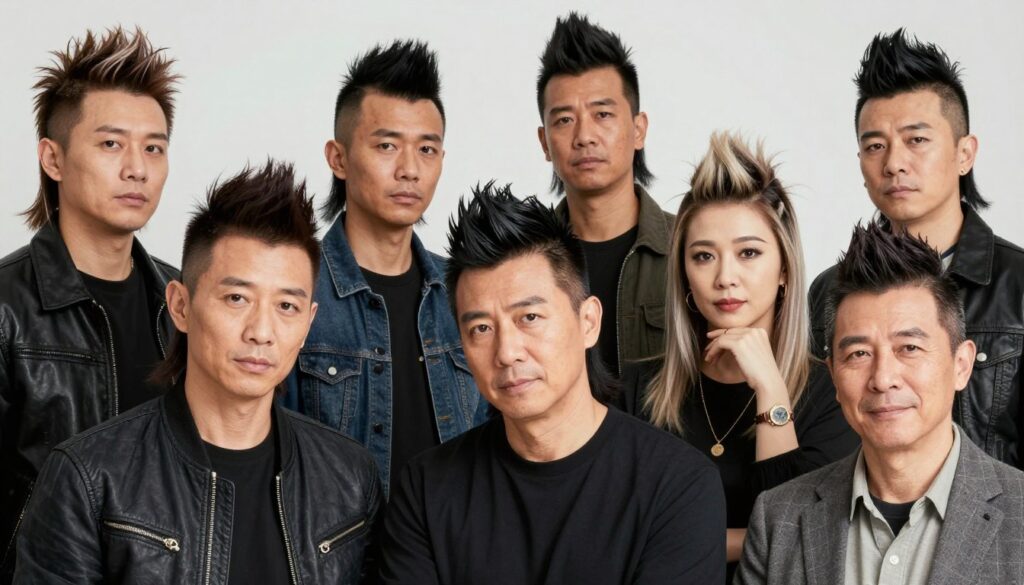
Historical Stigma and Stereotypes
The 1990s and early 2000s treated mullets as punchlines. Comedy shows and movies portrayed the style as unsophisticated. The haircut became associated with outdated fashion sense.
Regional stereotypes emerged around mullet wearers. Different areas connected the style with specific demographics. These associations, though unfair, influenced public perception.
The internet amplified mullet mockery through memes and viral content. Websites dedicated to bad mullet photos reinforced negative views. The style became synonymous with poor judgment.
This ridicule period actually preserved the mullet’s countercultural appeal. Those who wore mullets despite criticism made bold statements. The style attracted non-conformists and rebels.
The Hipster and Ironic Appreciation Phase
The late 2000s brought ironic mullet appreciation. Hipster culture embraced the style as kitsch statement. Wearing mullets ironically became fashionable in certain circles.
This phase introduced younger generations to the style. Many discovered mullets through vintage fashion exploration. The ironic distance made the haircut approachable again.
Music festivals and alternative scenes popularized renewed interest. Bands and artists adopted mullets as part of their aesthetic. The style signaled alternative taste and cultural awareness.
Contemporary Mainstream Acceptance
Today’s mullet exists beyond irony in genuine fashion territory. High-fashion runways feature models with mullets. Luxury brands incorporate the style into campaigns and shows.
Professional athletes wear mullets openly without mockery. Sports figures help normalize the style across demographics. Their visibility challenges lingering stereotypes.
Social media influencers showcase mullet versatility. Instagram and TikTok display countless styling variations. This exposure demonstrates the look’s adaptability and modern appeal.
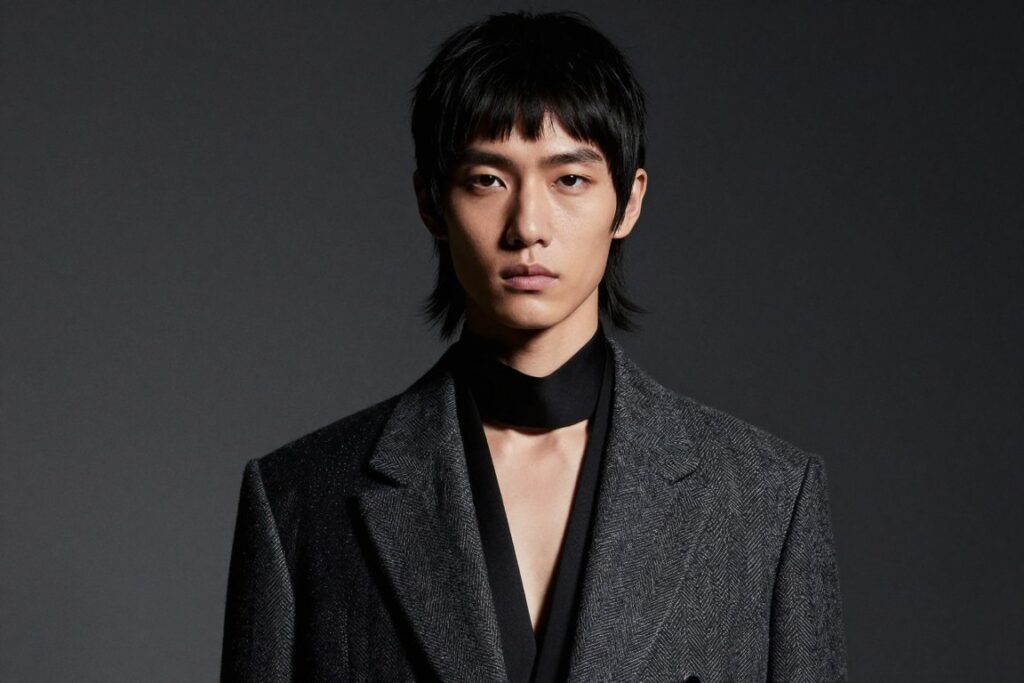
Younger generations embrace mullets without historical baggage. For them, the style represents self-expression rather than nostalgia. This fresh perspective drives continued popularity.
Gender and the Modern Mullet
The mullet has transcended traditional gender associations. Women and non-binary individuals adopt the style increasingly. This expansion challenges historical male-dominated perceptions.
Feminine mullets often incorporate softer elements and face-framing layers. These adaptations make the style work across gender expressions. The core principles remain while aesthetics vary.
Gender-neutral salons specialize in modern mullet cuts. These spaces understand diverse styling goals. The mullet becomes canvas for personal identity expression.
Professional Environments and Workplace Acceptance
Workplace dress codes have relaxed considerably regarding hairstyles. Many professional environments now accept well-groomed mullets. The key lies in maintaining neat, intentional appearance.
Creative industries embrace mullets most readily. Design, marketing, and arts fields value self-expression. The style can even signal innovative thinking in these sectors.
Conservative professions remain more cautious. Banking, law, and corporate environments may view mullets skeptically. Consider your specific workplace culture before committing.
Remote work expansion has reduced appearance concerns for many. Video calls focus on faces rather than full hairstyles. This shift allows more experimental styling choices.
Industries Most Accepting of Mullets
- Creative and design fields
- Entertainment and music
- Hospitality and service
- Tech and startups
- Retail and fashion
- Trades and manual labor
- Sports and athletics
Navigating Workplace Concerns
Research your company’s culture before getting a dramatic mullet. Look at leadership and colleagues’ styling choices. Conservative environments may require subtle variations.
Shorter mullet versions suit professional settings better. The contrast remains visible but moderate. Keep styling neat and polished rather than wild.
Your overall appearance matters more than just hair. Professional clothing and grooming offset bolder hairstyles. Balance helps the mullet feel appropriate rather than rebellious.
Confidence carries any hairstyle in professional contexts. Own your choice without apologizing. Hesitation signals uncertainty that others notice.
Social Media and Mullet Culture
TikTok has become mullet central with countless styling tutorials. Creators share techniques, product recommendations, and transformation videos. The platform normalized the style for younger audiences.
Instagram hashtags like #modernmullet showcase global variations. Users find inspiration and connect with others sporting the style. This community support encourages mullet adoption.
YouTube features detailed mullet content from styling to cutting. Long-form videos provide comprehensive guidance. This educational content demystifies the style.
Meme culture continues but now celebrates rather than mocks. Mullet memes express pride and humor from within the community. The style’s self-awareness adds to its appeal.
Celebrity Influence on Mullet Popularity
Musicians across genres sport modern mullets. Pop stars, rock bands, and rappers all embrace variations. This diverse celebrity adoption proves the style’s versatility.
Actors wear mullets both on and off screen. Period pieces and contemporary films feature the cut. Media exposure maintains visibility and acceptance.
Athletes from various sports showcase mullets proudly. Hockey players particularly maintain strong mullet tradition. Their prominence normalizes the style broadly.
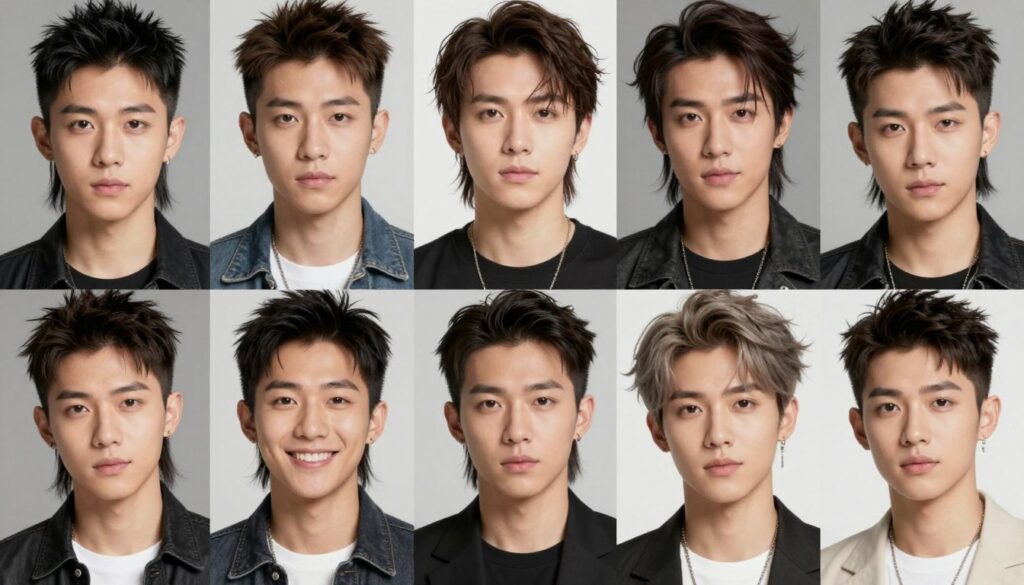
Social media influencers drive trends among younger demographics. Their mullet content reaches millions of followers. This exposure accelerates mainstream acceptance.
Regional and Cultural Variations
Different regions interpret mullets through local lenses. Southern United States maintains long mullet tradition. The style connects to country music and working-class identity.
Urban areas embrace experimental mullet variations. Cities showcase cutting-edge interpretations. Fashion-forward styling dominates metropolitan mullet culture.
International perspectives vary widely. Some countries view mullets as purely retro American style. Others have developed independent mullet traditions.
Australia has particularly strong mullet culture. The style enjoys widespread acceptance across demographics. Australian mullets often feature casual, beach-influenced styling.
Common Mullet Styling Mistakes and How to Avoid Them
Even great haircuts can look poor with improper styling. Understanding common errors prevents frustration and disappointment. Learning from others’ mistakes saves time and hair health.
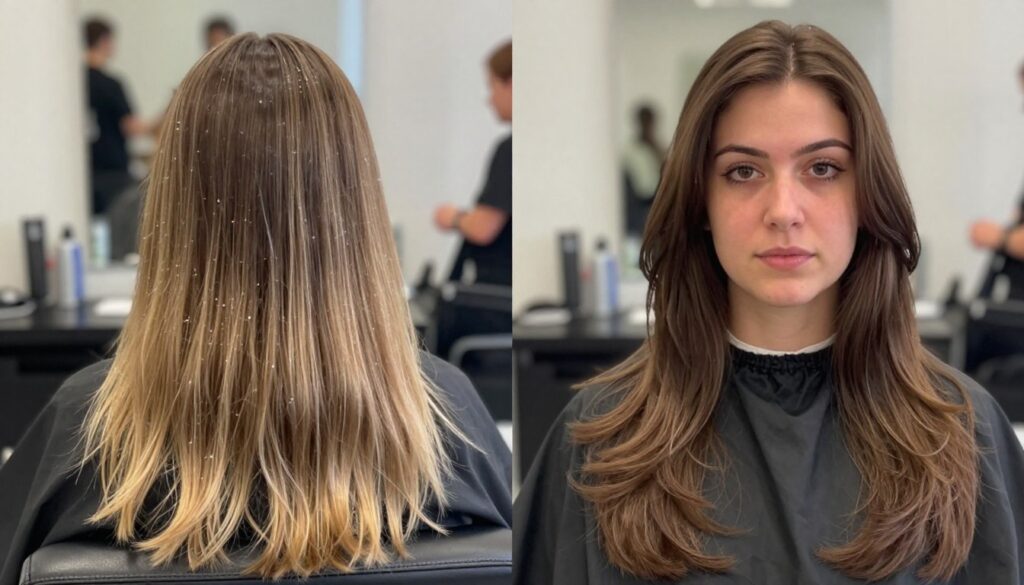
Neglecting Regular Maintenance
The most common mistake involves skipping regular trims. Mullets require consistent shaping to maintain proportions. Neglect leads to unintentional appearances rather than styled looks.
Sides and top grow quickly and disrupt the style’s balance. Even two extra weeks between trims affects appearance noticeably. Schedule appointments proactively rather than waiting until desperate.
The back needs attention too despite slower growth. Split ends travel upward damaging more hair. Regular back trims preserve health while maintaining length.
Home maintenance between appointments extends professional results. Simple touch-ups keep edges clean. However, these should supplement rather than replace salon visits.
Using Wrong Products or Too Much Product
Product selection dramatically affects results. Heavy creams flatten fine hair while lightweight gels fail on thick textures. Match products to your specific hair type.
Over-application creates greasy, weighed-down appearance. Start with minimal amounts and add gradually. You can always use more but removing excess proves difficult.
Applying products to soaking wet hair dilutes effectiveness. Towel-dry to damp before product application. This allows proper absorption and distribution.
Using products designed for different hair types causes problems. Curly hair products on straight hair create buildup. Straight hair products on curls generate frizz. Read labels and choose appropriately.
Improper Blow-Drying Techniques
Blow-drying without direction creates shapeless results. Intentional airflow shapes hair as it dries. Random drying produces random outcomes.
Holding the blow dryer too close causes heat damage. Maintain six to eight inches distance. Constant movement prevents concentrated heat exposure.
Skipping heat protectant risks long-term damage. This simple step preserves hair health. Apply before every heat styling session without exception.
Drying hair completely before styling limits flexibility. Stop while slightly damp then finish styling. This allows final shaping with better control.
Fighting Natural Hair Texture
Attempting to completely change natural texture creates frustration. Straight hair won’t maintain curls without excessive effort. Curly hair resists permanent straightening.
Work with your natural texture rather than against it. Choose mullet variations that complement your hair’s characteristics. Straight hair excels at sleek styles while curly hair showcases textured versions.
Excessive heat styling to alter texture damages hair over time. Natural texture requires less effort and maintains better health. Embrace what you have.
The right cut accommodates natural tendencies. Discuss texture honestly with your stylist. They can cut the mullet to work with rather than fight your hair.
Ignoring Face Shape Considerations
Choosing mullet variations that don’t flatter your face shape disappoints. What works on others may not suit your features. Understanding your face shape guides better choices.
Round faces need height rather than width. Excessive side volume widens appearance further. Focus on vertical dimension and keep sides neat.
Long faces require width rather than height. Dramatic top volume elongates further. Emphasis should remain on horizontal dimensions.
Square faces benefit from softness rather than angular cuts. Texture and layers prevent overly harsh appearance. Avoid blunt edges that emphasize jaw angles.
Styling Too Rigidly or Too Messily
Over-styling creates stiff, unnatural appearance. Excessive product and manipulation looks forced. Modern mullets should appear effortless even when carefully styled.
Conversely, zero styling effort makes mullets look unkempt rather than intentional. The line between casual cool and sloppy requires attention. Some styling effort maintains that boundary.
Find balance between polished and natural. Texture should appear touchable not crunchy. Movement should exist without complete wildness.
Practice different styling levels for various occasions. Professional settings warrant more polish. Casual environments allow looser approaches. Flexibility serves you better than single rigid routine.
Why does my mullet look flat and lifeless?
Flat mullets usually result from insufficient volume products or improper blow-drying. Apply volumizing mousse at roots before drying. Lift hair with a round brush while directing airflow upward. Your hair type may also require different products. Fine hair especially needs lightweight volumizers to avoid being weighed down.
How do I prevent my mullet from looking too 1980s?
Modern mullets emphasize texture over volume. Avoid teasing or excessive hairspray that creates stiff appearance. Use matte products like clay rather than glossy pomades. Keep the overall shape more subtle with moderate rather than extreme length contrast. Contemporary cutting techniques create softer transitions that appear current.
What should I do during awkward growth phases?
Strategic styling helps bridge awkward stages. Slick hair back to hide uneven lengths temporarily. Hats and headbands serve as tools during truly difficult periods. Continue regular trims on sides and top while letting back grow. Patience proves essential as the back section requires months to reach desired length. The awkward phase passes with time and proper maintenance.
Not Considering Lifestyle and Maintenance Reality
Choosing high-maintenance mullets without time commitment leads to disappointment. Some variations require fifteen minutes of daily styling. Honest assessment of your morning routine prevents regret.
Active lifestyles may clash with certain mullet styles. Frequent swimming, sports, or outdoor work affects maintenance. Consider these factors when selecting your variation.
Budget for regular salon visits and quality products. Mullets require ongoing investment. Neglecting these costs results in deteriorating appearance.
Your hair care skills matter too. Some styles demand techniques you may not possess. Start with manageable variations before attempting complex styling.
Mullet Haircuts Across Different Ages and Life Stages
The mullet adapts to various life stages with appropriate modifications. Age influences styling choices and cut variations. Understanding these nuances helps select age-appropriate interpretations.
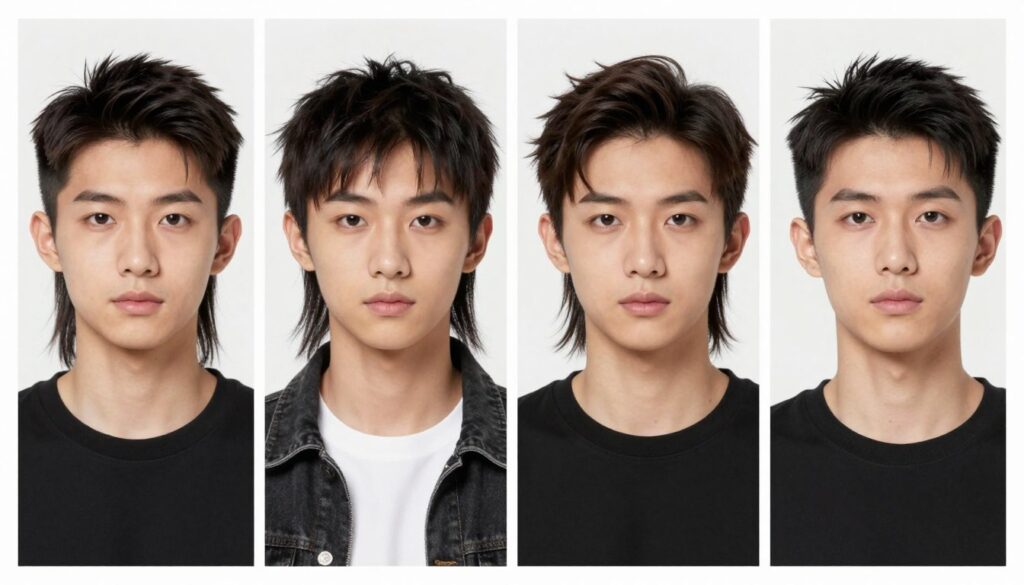
Teenage and Young Adult Mullets
Younger wearers often embrace bold, experimental versions. Dramatic contrasts and vibrant colors suit youthful energy. This age enjoys maximum styling flexibility without professional constraints.
School environments vary in acceptance levels. Some institutions maintain strict appearance policies. Research rules before committing to dramatic cuts.
Teenage hair grows quickly allowing for experimentation. Mistakes grow out relatively fast at this age. This period offers ideal time for trying adventurous styles.
Social acceptance among peers matters significantly. Current trends heavily favor mullets in youth culture. The style signals being fashion-aware and confident.
Mullets in Your Twenties and Thirties
This age range balances self-expression with emerging professional needs. Career considerations begin influencing styling choices. Moderate mullet variations often work best.
Many people in this stage start families. Practical maintenance becomes more important. Quick styling routines suit busy lifestyles better than high-maintenance cuts.
Building professional reputation affects appearance decisions. Industry norms guide appropriateness levels. Creative fields allow more freedom than conservative professions.
This age often features the most diverse mullet interpretations. Some maintain youthful boldness while others adopt refined approaches. Personal circumstances determine individual choices.
Mature Mullets for Forties and Beyond
Older wearers typically favor sophisticated mullet variations. Subtle interpretations maintain the style’s essence with refined execution. Quality cutting and styling become priorities.
Gray hair adds unique dimension to mullets. The natural color creates striking visual contrast. Proper hair care maintains gray hair’s health and appearance.
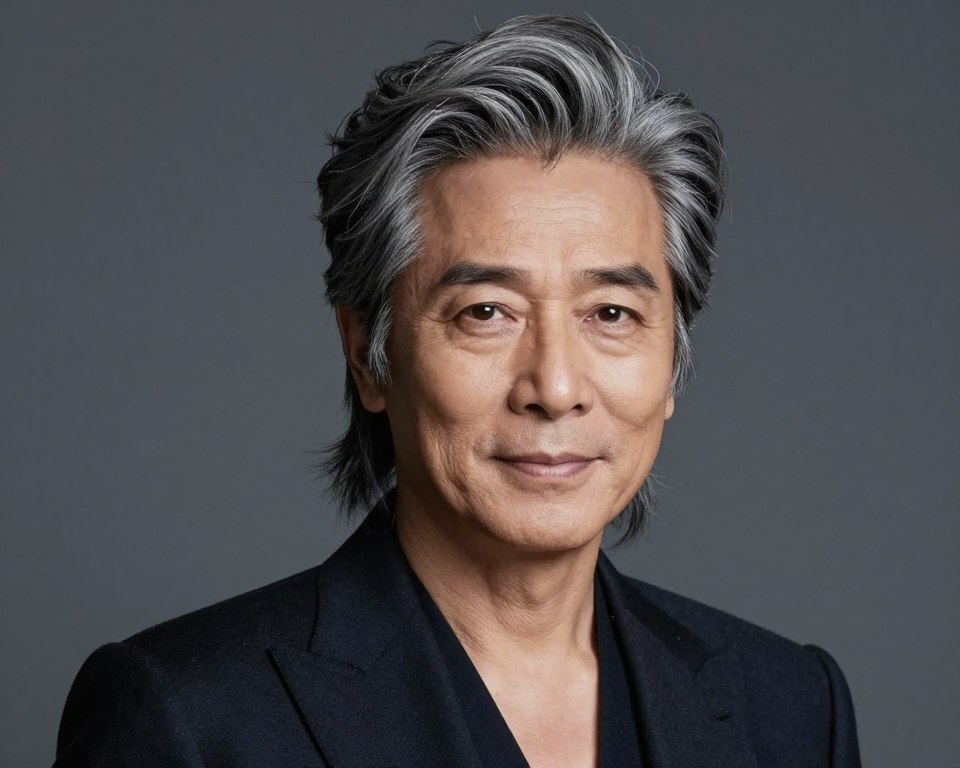
Aging hair changes texture and thickness. Adjusting cuts to accommodate these shifts preserves the style’s effectiveness. Communication with stylists about changes ensures appropriate adaptations.
Confidence increases with age making bold choices easier. Many older adults embrace mullets without concerns that limited them earlier. Life experience provides perspective that supports self-expression.
Professional Considerations Across Ages
Early career stages often demand more conservative appearances. Entry-level positions may require conformity. Establish yourself professionally before dramatic styling choices.
Mid-career professionals with proven track records enjoy more flexibility. Expertise and reputation provide freedom for personal expression. The mullet becomes acceptable as competence is established.
Senior professionals and executives face different standards. Leadership roles may require more traditional appearances in some industries. However, creative leaders can set trends rather than follow them.
Entrepreneurship and self-employment remove many restrictions. Business owners choose their own appearance standards. This freedom allows any mullet variation regardless of age.
Adapting Mullets as You Age
Hair texture changes require cut adjustments over time. Thinning hair benefits from shorter overall lengths. Fuller hair accommodates more dramatic variations.
Maintenance time availability often decreases with age. Careers and families consume more energy. Choose mullet variations matching realistic time commitment.
Style preferences naturally evolve throughout life. What felt right at twenty may not suit forty. Regular reassessment ensures your mullet grows with you appropriately.
Physical changes affect how styles flatter features. Weight fluctuations, facial structure changes, and posture shifts influence optimal haircuts. Periodic consultations address these transitions.
Celebrity and Influencer Mullet Inspiration
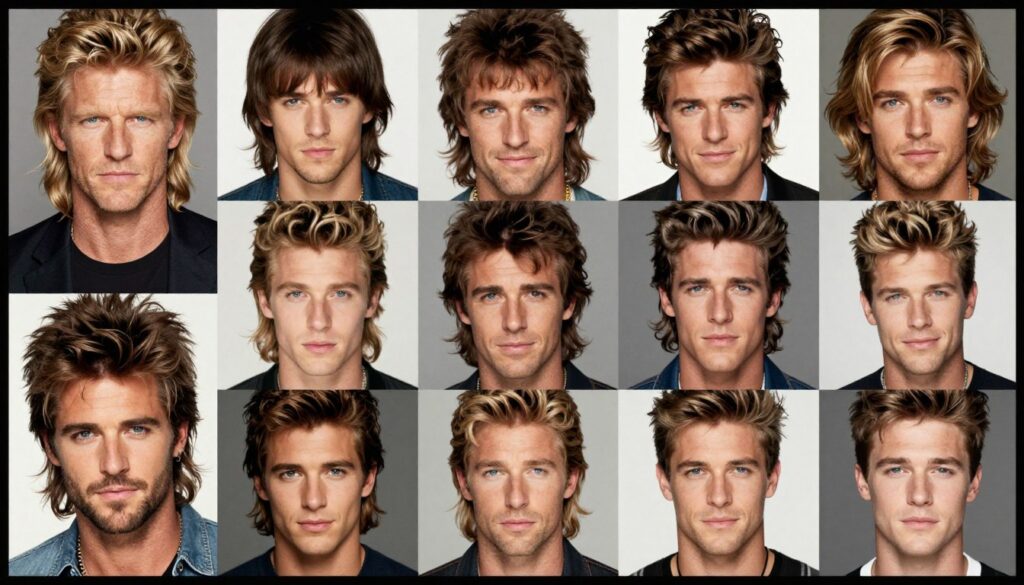
Public figures shape mullet trends and provide styling inspiration. Examining celebrity approaches offers practical ideas. These examples demonstrate the style’s versatility and modern appeal.
Musicians Leading Mullet Trends
Music artists consistently push mullet boundaries. Their stage presence requires bold styling that photographs well. These interpretations often predict mainstream trends.
Country music maintains strong mullet tradition. Artists honor the style’s roots while incorporating modern techniques. Their versions balance nostalgia with contemporary sensibility.
Rock and alternative musicians embrace experimental mullets. Colored sections, extreme textures, and dramatic lengths appear regularly. These versions express artistic rebellion and nonconformity.
Pop stars bring mullets to mainstream audiences. Their massive platforms expose millions to modern variations. This visibility accelerates acceptance and popularity.
Athletes and Sports Culture
Hockey players famously maintain mullet tradition. The style symbolizes toughness and team camaraderie. Hockey mullets often feature classic proportions with practical maintenance.
Football and soccer players sport modern mullet variations. These versions suit athletic lifestyles requiring minimal daily styling. Functionality combines with personal expression.
Individual sport athletes use mullets for brand differentiation. Distinctive appearance helps athletes stand out in competitive fields. The style becomes part of personal identity and marketing.
Actors and Entertainment Industry
Film and television roles require diverse hairstyles. Actors adopt mullets for period pieces and contemporary characters. These temporary styles demonstrate dramatic transformations.
Some actors maintain mullets off-screen as personal choice. Their everyday styling provides realistic examples. These approaches show how mullets integrate into regular life.
Red carpet appearances featuring mullets generate significant media attention. High-fashion styling elevates the cut to glamorous territory. This exposure challenges lingering negative perceptions.
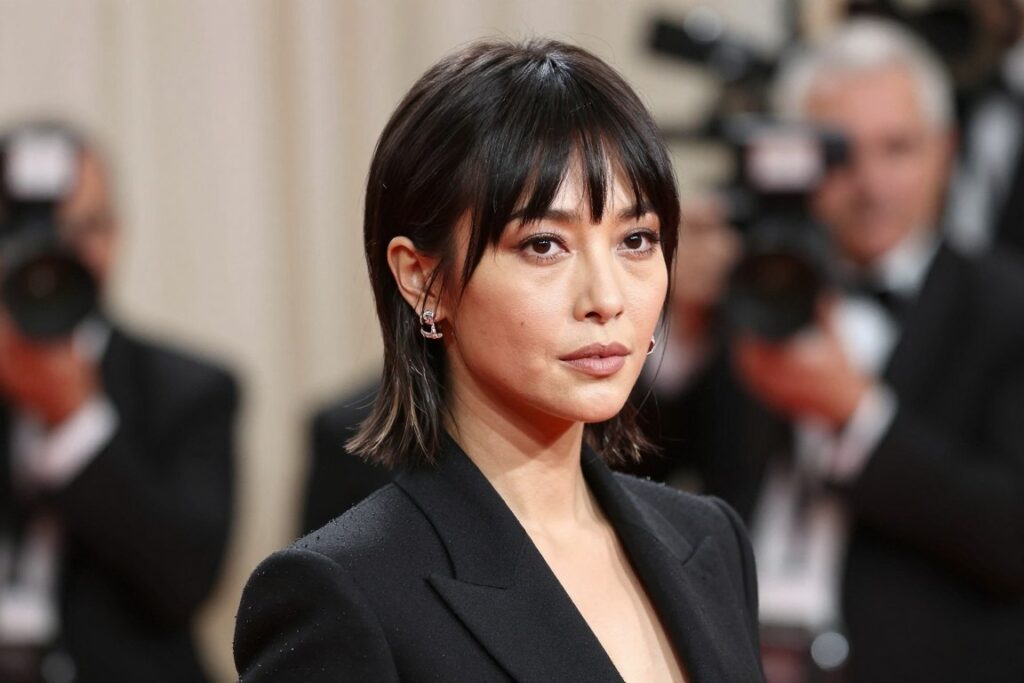
Social Media Influencers and Content Creators
TikTok creators drive mullet popularity among younger audiences. Tutorial content demystifies styling techniques. Their approachable presentation makes the style feel achievable.
Instagram influencers showcase lifestyle integration. Photos demonstrate mullets in various settings from casual to formal. This content proves the style’s versatility.
YouTube creators provide detailed how-to guides. Long-form content explores cutting techniques, product reviews, and maintenance tips. Educational value supports potential adopters.
Fashion Industry and Runway Mullets
High-fashion runways feature models with styled mullets. Luxury brands incorporate the look into seasonal presentations. This validation elevates the style’s cultural status.
Fashion editorials experiment with artistic mullet interpretations. These images push creative boundaries while inspiring practical applications. The gap between editorial and wearable narrows.
Hairstylists to celebrities and models become influential themselves. Their work appears across media platforms. Following key stylists provides insider perspective on evolving trends.
Finding Your Mullet Inspiration
Save images of mullets you admire across platforms. Create inspiration collections showing various angles and styling approaches. Bring these references to stylist consultations.
Consider what specifically appeals in each example. Identify whether you like the cut itself or the styling technique. This analysis clarifies your actual goals.
Remember that professional styling and photography enhance celebrity appearances. Your daily look may differ from curated images. Set realistic expectations while drawing inspiration.
Look for examples matching your hair type and face shape. Inspiration works best when it translates to your specific characteristics. Similar features provide most relevant guidance.
Is a Mullet Haircut Right for You? Decision Guide
Committing to a mullet requires careful consideration. This bold choice affects appearance and daily routines significantly. Honest self-assessment ensures satisfying results.
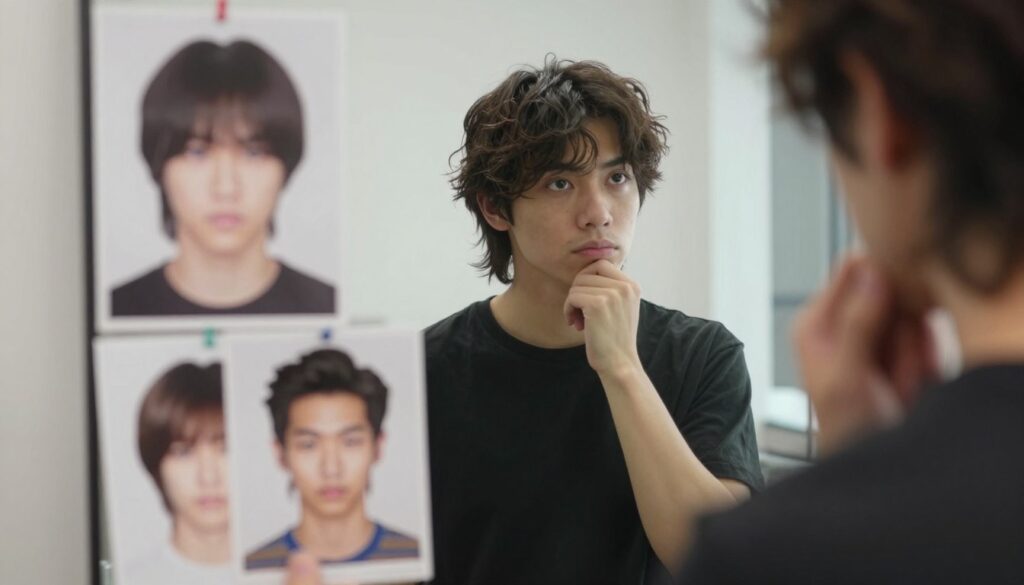
Assessing Your Motivation
Examine why you want a mullet. Genuine personal desire differs from fleeting trend following. Long-term satisfaction requires authentic connection to the style.
Consider whether you’re drawn to the aesthetic or rebelling against conventions. Both motivations are valid but produce different experiences. Rebellion requires more confidence to sustain.
Evaluate if you’re ready for attention the style attracts. Mullets generate reactions and comments. Comfort with visibility matters for daily happiness.
Think about your style evolution over time. Does the mullet fit your general aesthetic direction? Cohesive personal style feels more authentic than isolated experiments.
Practical Lifestyle Considerations
Evaluate your typical morning routine duration. Mullets require five to fifteen minutes of daily styling. Do you have this time consistently available?
Consider your work environment realistically. Research company culture and appearance expectations. Some workplaces accommodate mullets easily while others present challenges.
Assess your social circles and communities. While acceptance has grown, some environments remain conservative. Your comfort level with standing out matters.
Think about hobbies and activities. Frequent swimming, sports, or outdoor work affects maintenance. Ensure the style suits your active pursuits.
Financial Commitment Assessment
Calculate ongoing costs for regular trims. Professional maintenance every three to four weeks adds up over months. Budget for consistent salon expenses.
Quality styling products cost more than basic options. Sea salt spray, clay, conditioner, and other essentials represent ongoing investment. Factor these costs into decisions.
Consider whether you’ll need new or different clothing. Some mullets look best with specific style aesthetics. Wardrobe changes may accompany the haircut.
Signs a Mullet Might Be Right for You
- You admire the style consistently over time
- Your workplace culture accepts diverse styling
- You enjoy spending time on appearance
- You’re comfortable attracting attention
- You have budget for maintenance
- Your hair type suits mullet structure
- You value self-expression highly
- You’re prepared for regular salon visits
Signs You Should Reconsider
- You’re following trends without personal connection
- Your job has strict appearance policies
- You prefer low-maintenance routines
- You dislike standing out in groups
- Budget constraints limit salon visits
- Your hair won’t hold the necessary shape
- You change styles frequently on impulse
- You’re uncomfortable with gradual transitions
Hair Health and Type Evaluation
Assess your current hair condition honestly. Damaged hair struggles with any new cut. Address health issues before major style changes.
Consider your natural hair texture. Mullets work across all types but require different approaches. Understand what your specific texture demands.
Evaluate hair density and thickness. Very fine hair may need shorter overall lengths. Thick hair accommodates more dramatic variations.
Think about previous styling experiences. How did your hair respond to past cuts? Previous patterns predict future reactions.
The Trial Run Approach
Consider starting with subtle mullet variations. A slight length difference tests the concept without full commitment. Gradual transitions feel less risky.
Try temporary styling that mimics mullet proportions. Slick sides back while leaving back sections loose. This experiment provides preview without cutting.
Consult multiple stylists for different perspectives. Professional opinions help assess feasibility for your specific hair. Different viewpoints provide comprehensive understanding.
Look at digital makeover tools or apps. Virtual try-ons offer rough previews. While imperfect, they provide general impression of potential results.
Long-Term Commitment Questions
Can you maintain the style for at least several months? Mullets require time to look their best. Growing out immediately after cutting wastes effort and money.
Are you prepared for the growing-out process if you change your mind? Transitioning away from mullets takes months. Patience during this phase is necessary.
Does the style align with your five-year personal vision? Major life changes affect hairstyle appropriateness. Consider upcoming transitions like career moves or relocations.
Will you be happy with this choice looking back? Future you matters as much as present you. Make decisions your future self will appreciate.
Ready to Transform Your Look with a Modern Mullet?
Take the next step toward your perfect mullet by booking a consultation with an experienced stylist. Professional guidance ensures you choose the right variation for your features, lifestyle, and hair type. Discuss your vision, ask questions, and see if a mullet truly fits your life.
Making the Final Decision
Give yourself a deadline for deciding. Extended deliberation creates anxiety without progress. Set a timeframe for committing or abandoning the idea.
Write out pros and cons specific to your situation. Generic lists help less than personalized assessment. Your unique circumstances determine appropriateness.
Discuss with trusted friends or family. Outside perspectives reveal blind spots. However, make the final decision independently based on your desires.
Trust your gut instinct ultimately. If the idea excites you consistently, that enthusiasm matters. Conversely, persistent hesitation signals something feels wrong.
Remember that hair grows back. While transitions take time, no haircut lasts forever. This perspective reduces pressure and allows bolder choices.
Embracing the Modern Mullet: Your Path Forward
The mullet haircut represents more than a hairstyle. It embodies confidence, self-expression, and appreciation for unconventional beauty. Modern interpretations prove this classic style adapts to contemporary sensibilities.

Understanding the mullet’s characteristics helps you make informed choices. Short fronts and long backs create the signature silhouette. Variations adapt this core principle to individual preferences and features.
History enriches appreciation for the style’s cultural journey. From ancient origins through 1980s peak to contemporary revival, the mullet persists. This resilience demonstrates the cut’s fundamental appeal across generations.
Modern variations offer something for everyone. Classic interpretations, textured versions, fade combinations, and specialty cuts provide diverse options. Face shape guidance helps select most flattering approaches.
Styling techniques transform haircuts into complete looks. Sea salt spray creates texture while clay adds definition. Blow dryer mastery shapes hair intentionally. Product knowledge empowers effective daily styling.
Maintenance preserves your investment in the style. Regular trims maintain proportions while proper hair care protects health. Quality products and consistent routines extend salon results.
Common mistakes teach valuable lessons without personal trial and error. Avoiding these pitfalls saves frustration and disappointment. Learning from others’ experiences accelerates your success.
Cultural acceptance has evolved dramatically. What once sparked ridicule now generates admiration. Modern society embraces diverse self-expression including bold hairstyle choices.
Age appropriateness varies with individual circumstances. Teenagers, young adults, and mature wearers all find suitable variations. Life stage influences styling choices but doesn’t prohibit the cut.
Celebrity examples provide inspiration and validation. Musicians, athletes, actors, and influencers showcase mullet versatility. Their visibility normalizes the style across demographics.
Careful decision-making ensures satisfaction with your choice. Assess motivations honestly and consider practical factors. The right mullet enhances confidence and personal style expression.
The modern mullet belongs to anyone willing to embrace it. Professional execution and proper maintenance make the difference between good and exceptional results. Your commitment determines success.
Whether you choose classic proportions or experimental variations, own your decision confidently. The mullet rewards boldness with distinctive, memorable appearance. This haircut makes statements that align with contemporary values.
Your hair journey is personal and unique. The mullet might represent temporary experimentation or lasting style commitment. Either approach has value when pursued authentically.
Move forward with knowledge and confidence. Research completed, considerations weighed, and inspiration gathered. The path to your perfect mullet now lies clear before you.