
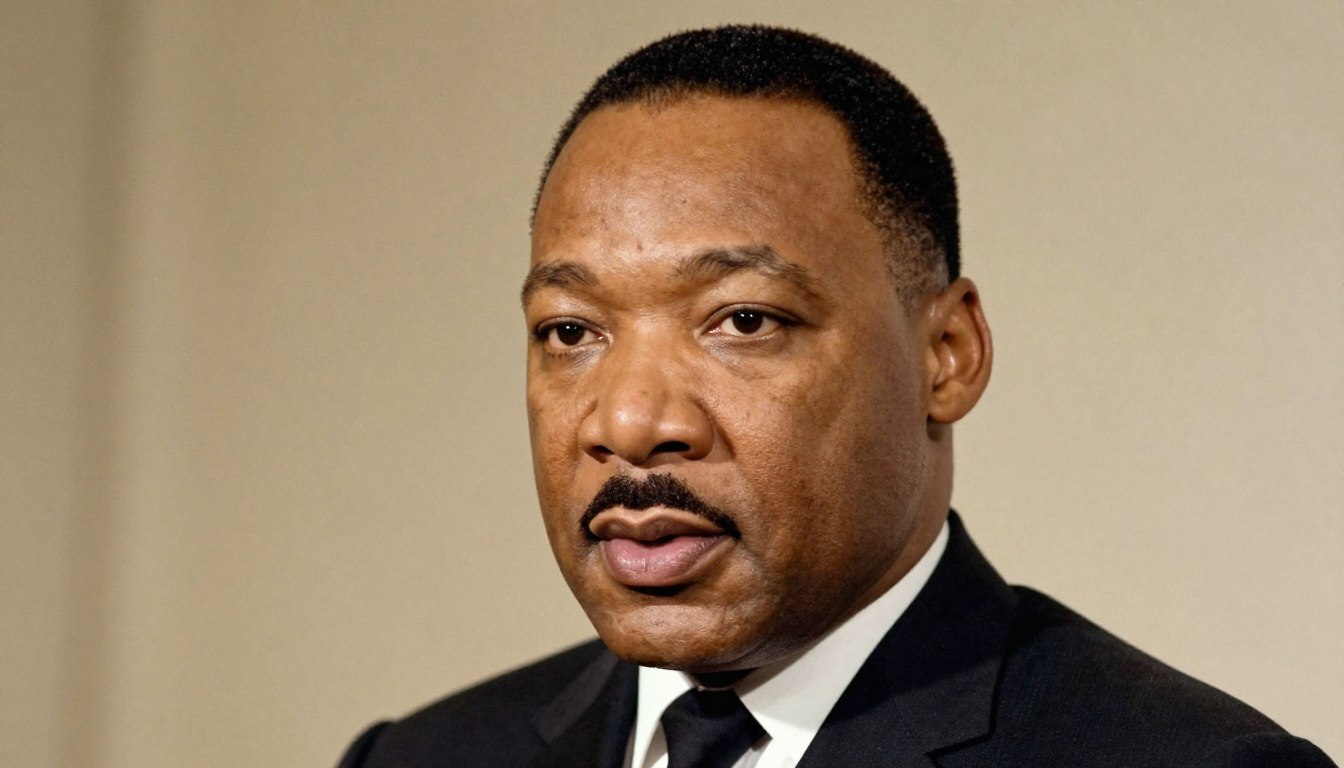
Martin Luther King Jr. remains one of the most recognizable figures in American history. His powerful words changed the world. But his appearance also spoke volumes about his identity and purpose. King’s hairstyle was more than just a personal grooming choice. It represented dignity, professionalism, and cultural pride during a transformative era.
Many people today wonder about the specific haircut Martin Luther King wore. His look became iconic alongside his message. Understanding his hairstyle helps us appreciate how appearance and identity intersected during the civil rights movement. Let’s explore the details of King’s signature hair and what it meant.
The Historical Context of Martin Luther King’s Appearance
During the 1950s and 1960s, appearance carried tremendous weight in the civil rights movement. African American leaders understood that public perception mattered. They needed to project respectability and professionalism to challenge racist stereotypes. Martin Luther King Jr. carefully cultivated his image to command respect.
The civil rights era demanded strategic presentation. Leaders like King faced intense scrutiny from media and opponents alike. His grooming choices reflected this awareness. Every aspect of his appearance, including his haircut, communicated intentionality and dignity. This wasn’t vanity but rather tactical image management.
Black Americans during this time navigated complex social expectations about hair. Natural textures faced discrimination in many professional settings. King’s hairstyle balanced cultural authenticity with the standards of mainstream America. His look became a template for professional Black men seeking to advance while maintaining dignity.
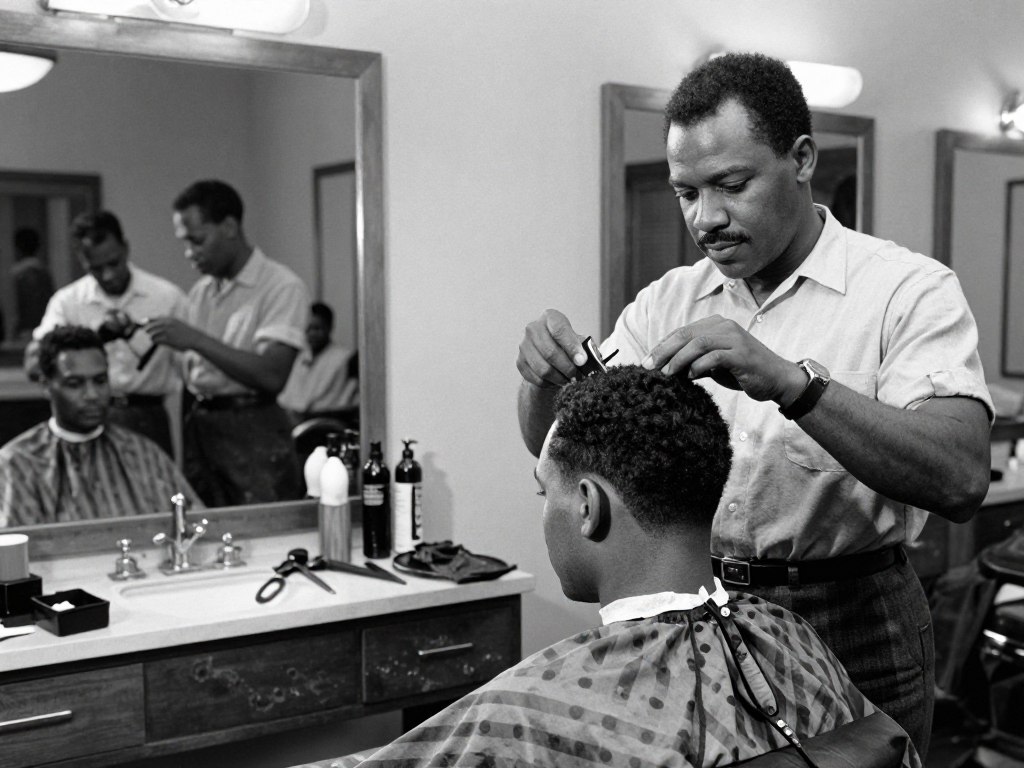
Experience Expert Grooming for Classic Styles
Find skilled barbers who understand the art of timeless Black hairstyles. Book your appointment today and discover the precision that defined an era.
Martin Luther King Jr.’s Hair Texture and Characteristics
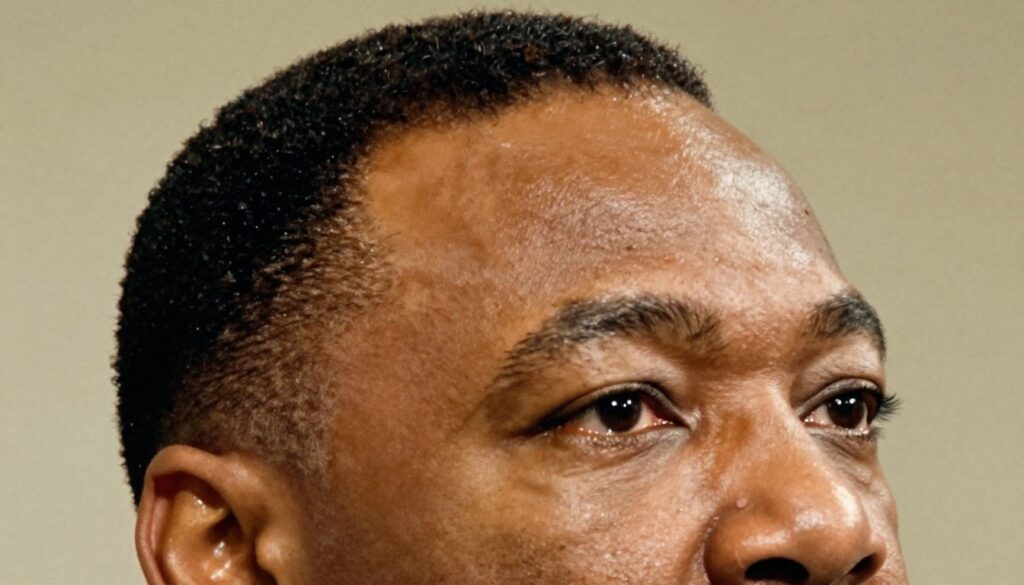
Martin Luther King Jr. had Type 4 hair, which is common among people of African descent. This hair type features tight coils and a dense texture. Type 4 hair requires specific care and styling techniques. King’s hair appeared well-maintained and professionally groomed throughout his public life.
His natural hair texture was tightly coiled but not extremely kinky. This made it somewhat easier to style into the neat looks he favored. However, maintaining his signature appearance still required regular barbershop visits. The density of his hair provided volume while allowing for clean lines.
Hair Type Details
Understanding King’s specific hair characteristics helps explain his styling choices during the civil rights era.
- Type 4A to 4B coil pattern
- Medium to high density
- Natural volume and body
- Moderate porosity requiring moisture
Texture Properties
These natural characteristics influenced how barbers approached cutting and styling King’s hair for his public appearances.
- Tight S-shaped curl pattern
- Fine to medium strand thickness
- Natural lift at the roots
- Responds well to pomades
Maintenance Needs
Keeping this hair type looking polished required consistent care and professional expertise from skilled barbers.
- Regular trims every two weeks
- Daily grooming routine
- Moisture retention products
- Protective nighttime care
Styling Advantages
King’s hair texture offered certain benefits that helped him achieve his signature professional appearance consistently.
- Natural volume without teasing
- Holds shape throughout day
- Clean lines when properly cut
- Professional appearance potential
The texture of Martin Luther King’s hair allowed for versatile styling while maintaining a conservative appearance. His barbers understood how to work with his natural curl pattern. They created clean, professional looks that photographed well and lasted through long days of activism. This expertise was crucial during an era when Black men had limited access to quality grooming services.
Martin Luther King Jr.’s Signature Hairstyle
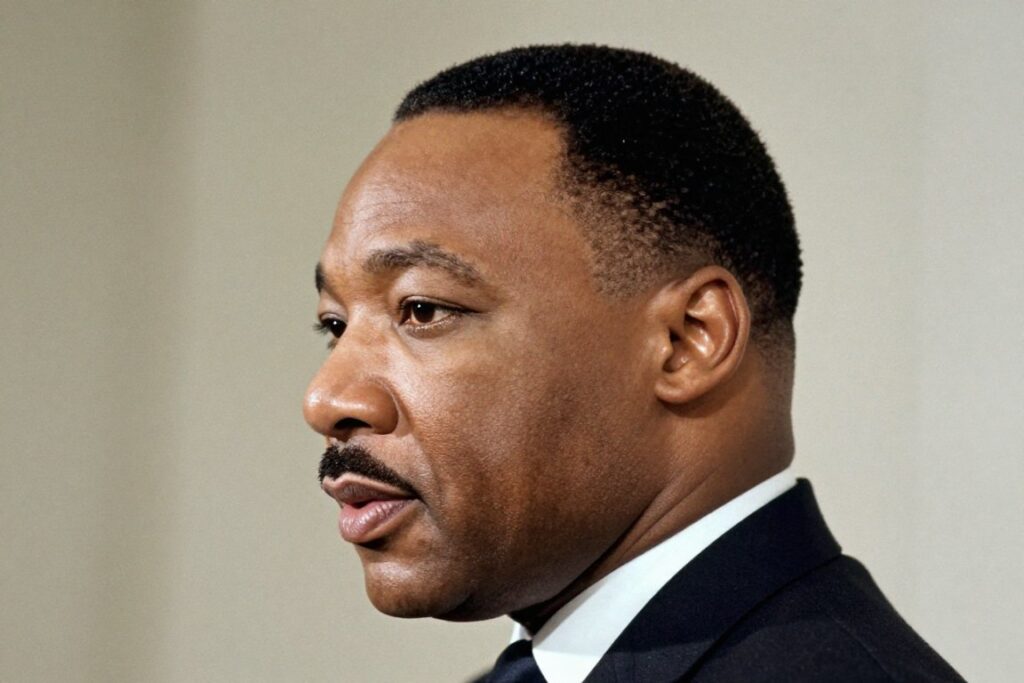
Martin Luther King Jr. wore what we now recognize as a classic short professional cut with a side part. The style featured short, tapered sides and back with slightly more length on top. This allowed for a neat side part that became his trademark. The overall length stayed conservative, never extending beyond two inches at the longest point.
His haircut resembled what barbers today might call a “gentleman’s cut” or “professional taper.” The sides were cut close using clippers, gradually blending into the longer top section. This graduation created a sophisticated silhouette. The top was left long enough to comb over with a distinct side part, typically positioned on his left side.
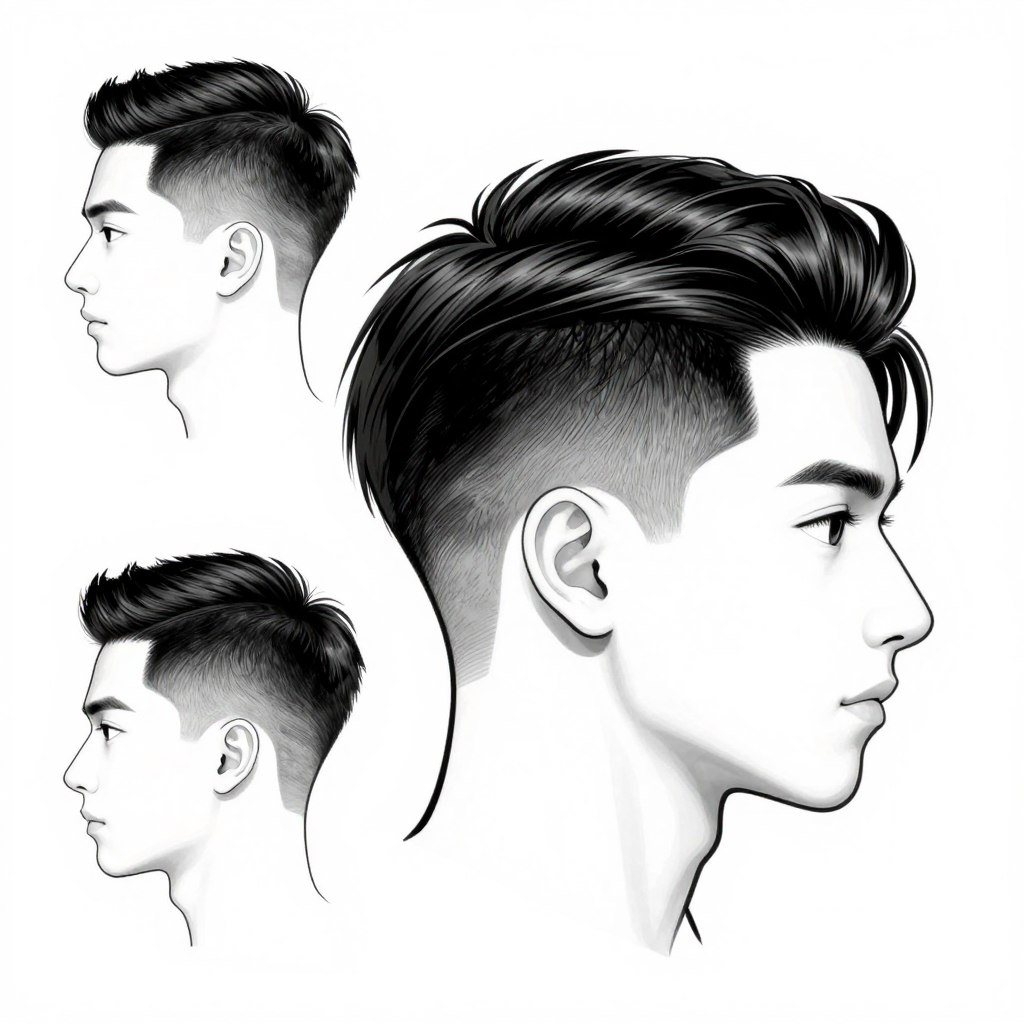
The Side Part
King’s most distinctive feature was his sharp side part. This clean line divided his hair and created symmetry. The part was positioned about one to two inches from his natural hairline. Barbers achieved this precision using a fine-tooth comb and careful clipper work.
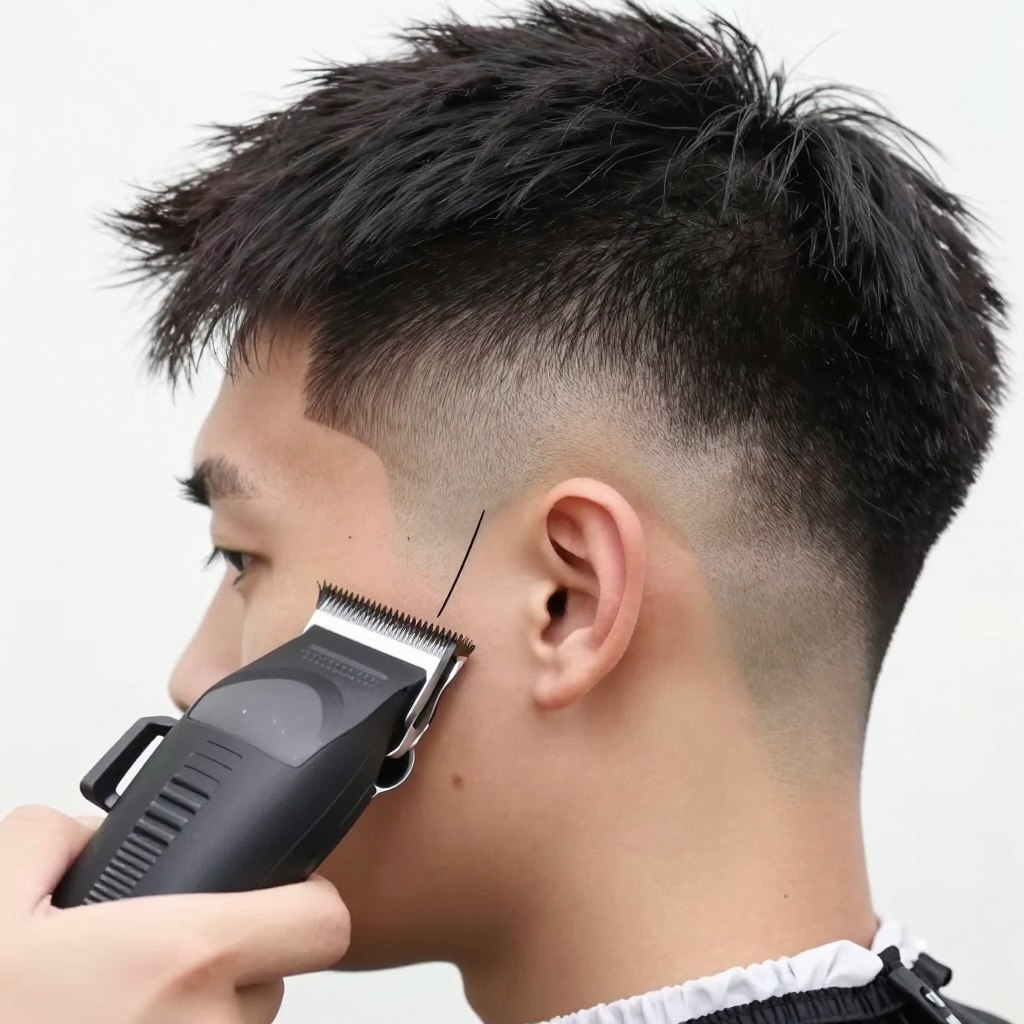
Tapered Sides
The sides of King’s haircut featured a gradual taper. This technique started very short near the ears and neckline. It then blended smoothly into the longer top section. The taper created a clean, professional appearance that looked sharp from every angle.
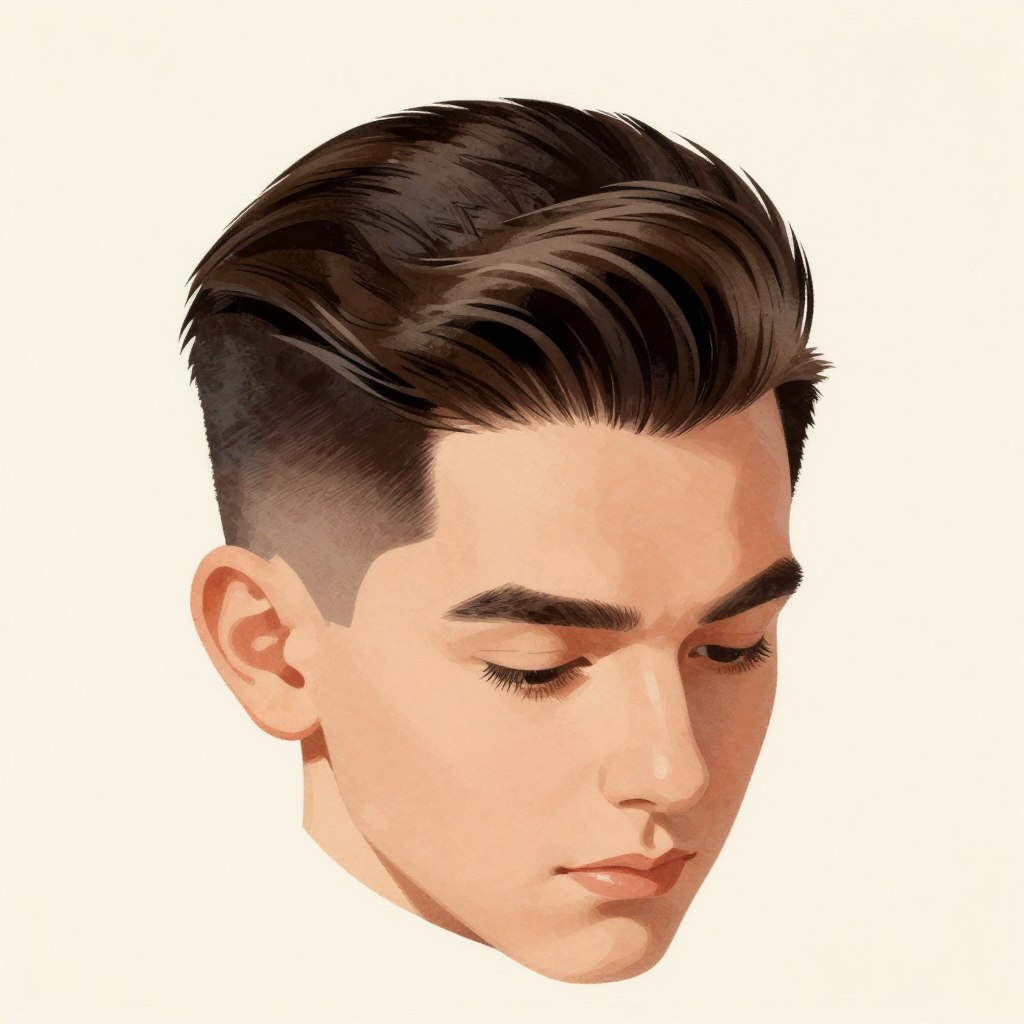
Conservative Length
The top section never exceeded two inches in length. This conservative approach served multiple purposes. It looked professional and dignified. It also required less maintenance than longer styles. The length was perfect for creating a polished look that lasted all day.
One remarkable aspect of luther king’s haircut was its consistency over the years. From his early days as a pastor to his final speeches, King maintained this signature look. This consistency reinforced his image as a steady, reliable leader. The style worked equally well whether he was preaching, marching, or meeting with presidents.
Historical Note: Martin luther king’s barber, Nelson Malden, served him for many years in Atlanta. Malden understood the importance of King’s appearance to the civil rights movement. He ensured king jr. always looked impeccable before major speeches and events. This partnership between leader and barber was crucial to King’s public image.
Grooming Products and Techniques for the MLK Look
Achieving Martin Luther King’s signature hairstyle required specific products and techniques. During the civil rights era, Black barbers used pomades and creams designed for textured hair. These products provided hold while adding shine. They also helped manage the natural curl pattern without causing damage.
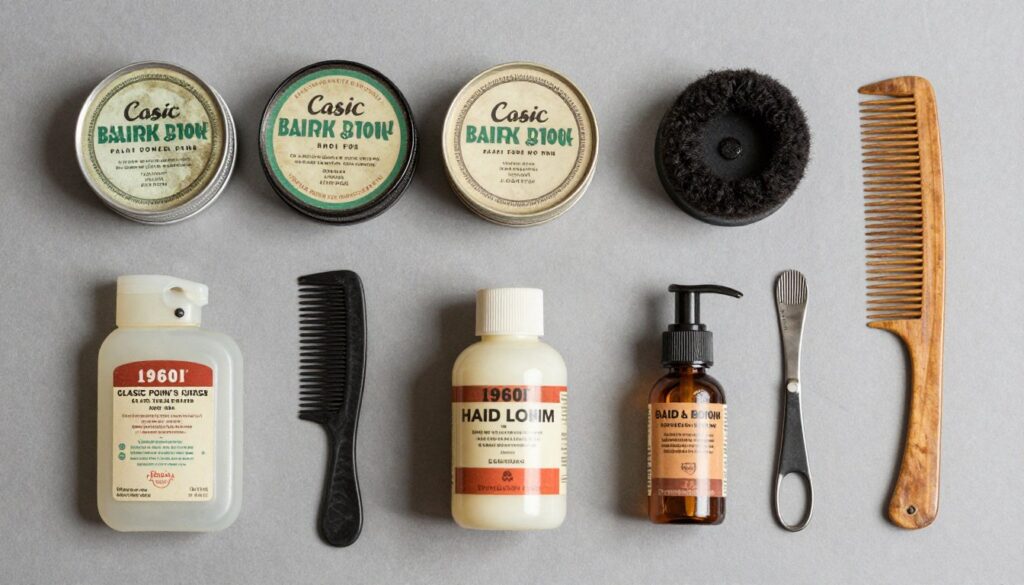
King’s daily grooming routine likely included washing with mild shampoo followed by conditioning treatment. After towel drying, his barber or he would apply a pomade or hair cream. A fine-tooth comb would then create the sharp side part. The hair was combed smoothly over from the part, with sides lying flat against the head.
Essential Styling Products
- Water-based pomade for hold
- Hair cream for moisture
- Light oil for shine
- Edge control for sharp lines
- Quality shampoo and conditioner
Professional Tools Needed
- Fine-tooth styling comb
- Boar bristle brush
- Professional clippers
- Sharp scissors for detailing
- Neck strips and capes
Maintenance Schedule
- Barbershop visit every 2 weeks
- Daily combing and styling
- Weekly deep conditioning
- Nightly wrap or durag
- Monthly scalp treatments
The technique required patience and skill. Barbers working with textured hair needed to understand how it behaves when wet versus dry. They cut king’s hair slightly longer than the desired final length. As the hair dried and coiled back up, it would settle at the perfect length. This expertise separated ordinary barbers from true professionals.
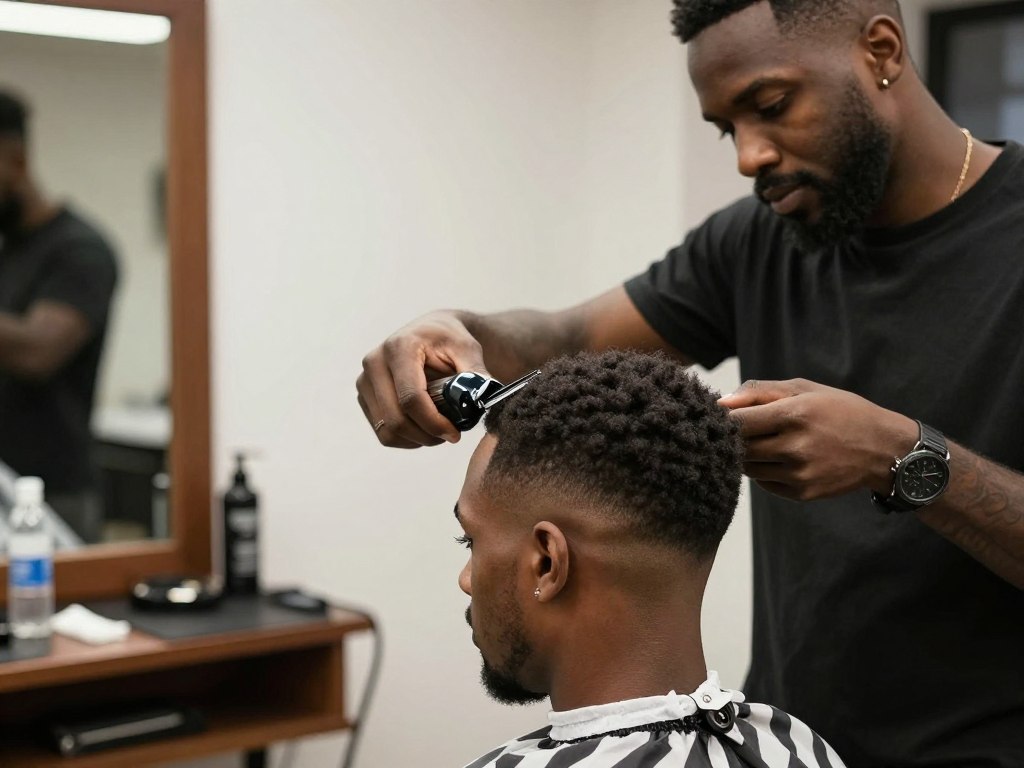
The Role of the Barber
Nelson Malden and other barbers who served martin luther king understood their important role. They weren’t just cutting hair. They were helping maintain the image of the civil rights movement’s most visible leader. Every haircut needed to be perfect.
These barbers possessed specialized knowledge about working with Black hair textures. They knew which products worked best. They understood the cutting angles that produced clean lines. Their expertise ensured king jr. always looked his best, which mattered tremendously for television appearances and photographs.
The barbershop itself served as more than a grooming space. It was a community hub where Black men gathered, talked, and planned. For martin luther king, these visits provided both personal maintenance and connection to everyday people. The relationship between King and his barber exemplified trust and mutual respect.
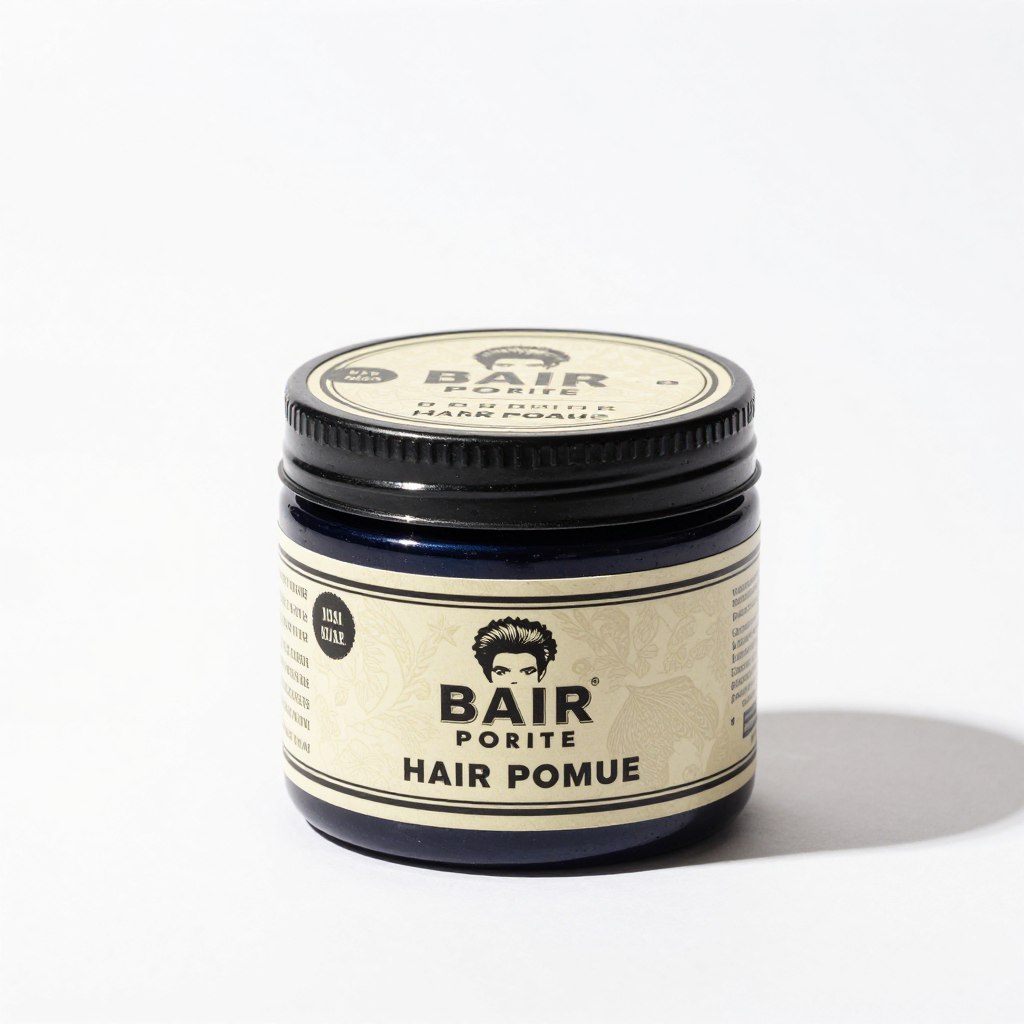
Premium Pomades
Modern pomades offer the same hold and shine that King’s barbers used. Water-based formulas wash out easily while providing all-day control. Look for products specifically designed for textured hair. These work with your natural curl pattern rather than against it.
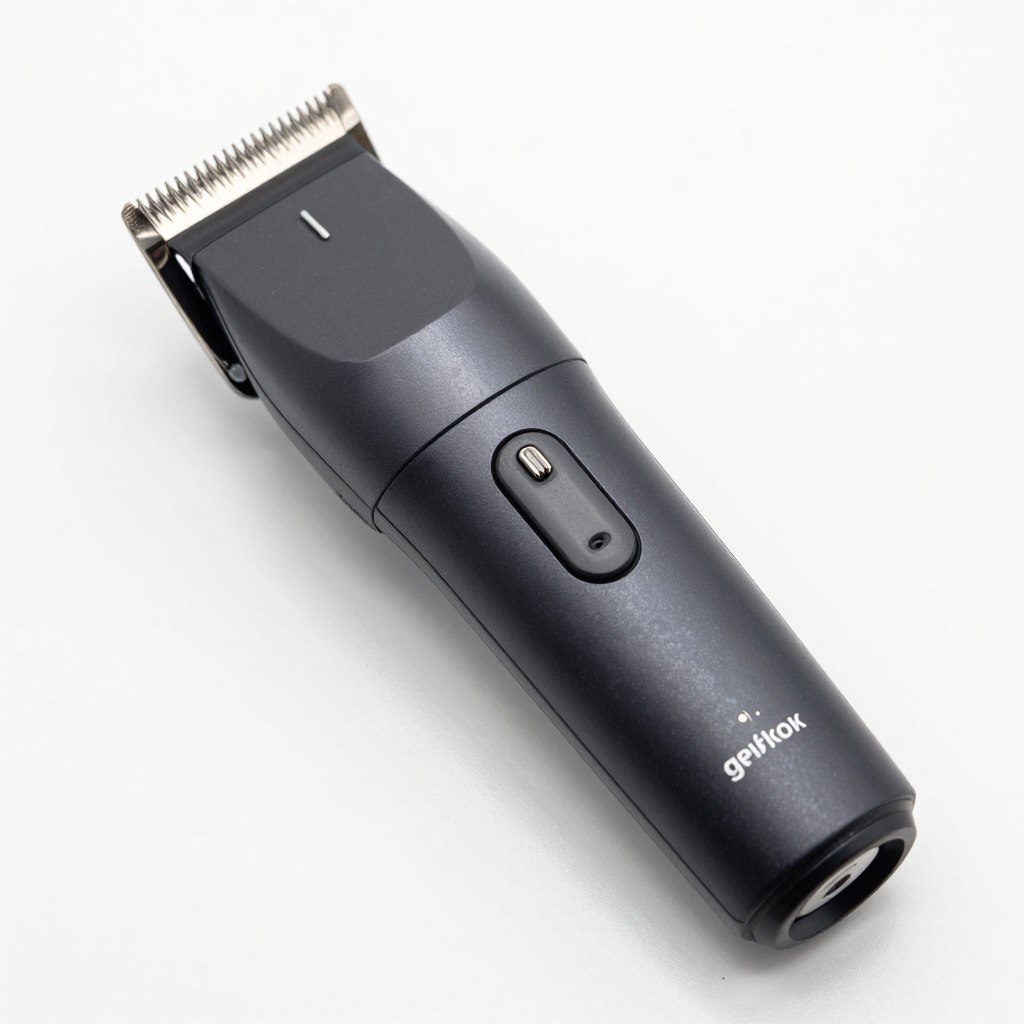
Quality Clippers
Professional-grade clippers make the difference between a good haircut and a great one. Modern tools offer adjustable guards for precise tapering. Invest in quality equipment if you’re maintaining the look at home. Or ensure your barber uses professional tools.
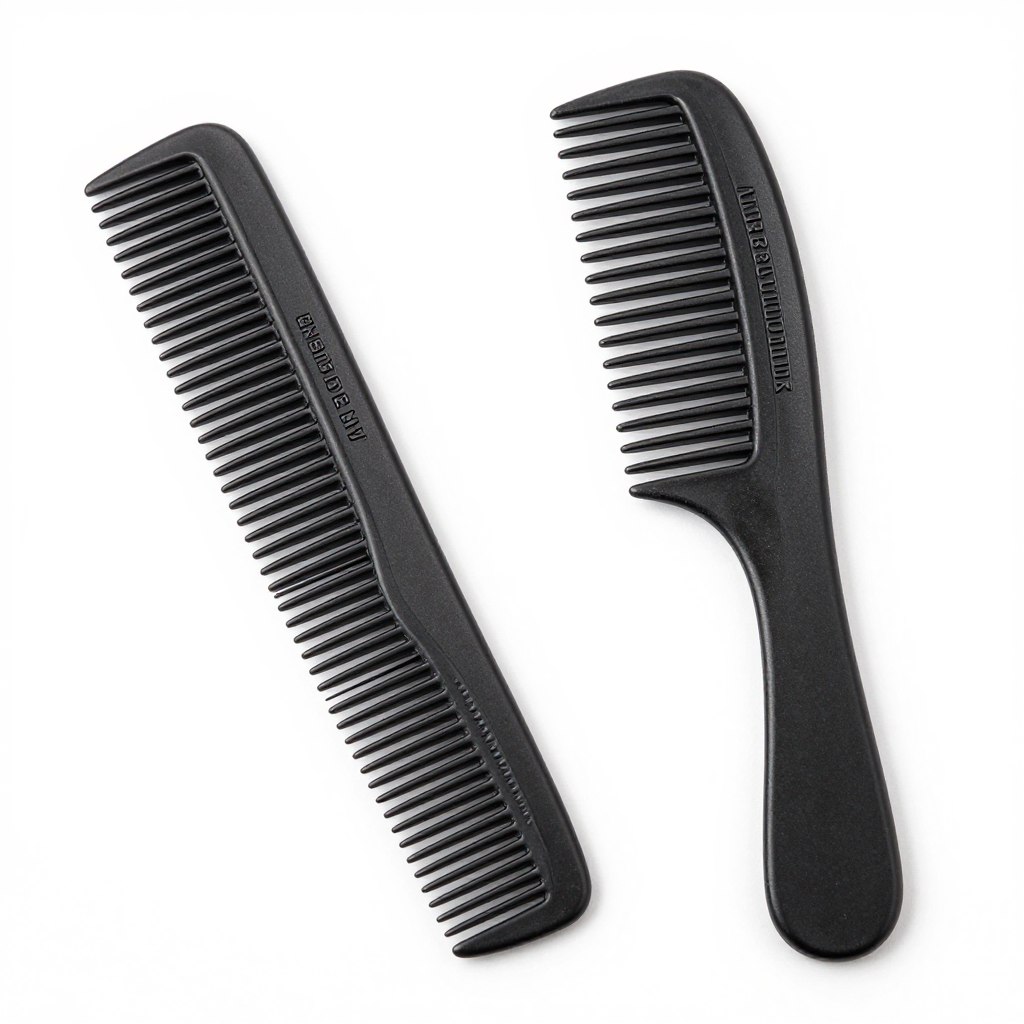
Styling Combs
A fine-tooth comb is essential for creating sharp parts and smooth styling. Quality combs glide through hair without snagging. They help distribute products evenly. Keep one at home and consider carrying a pocket comb for touch-ups throughout the day.
Cultural Significance of Martin Luther King’s Hairstyle
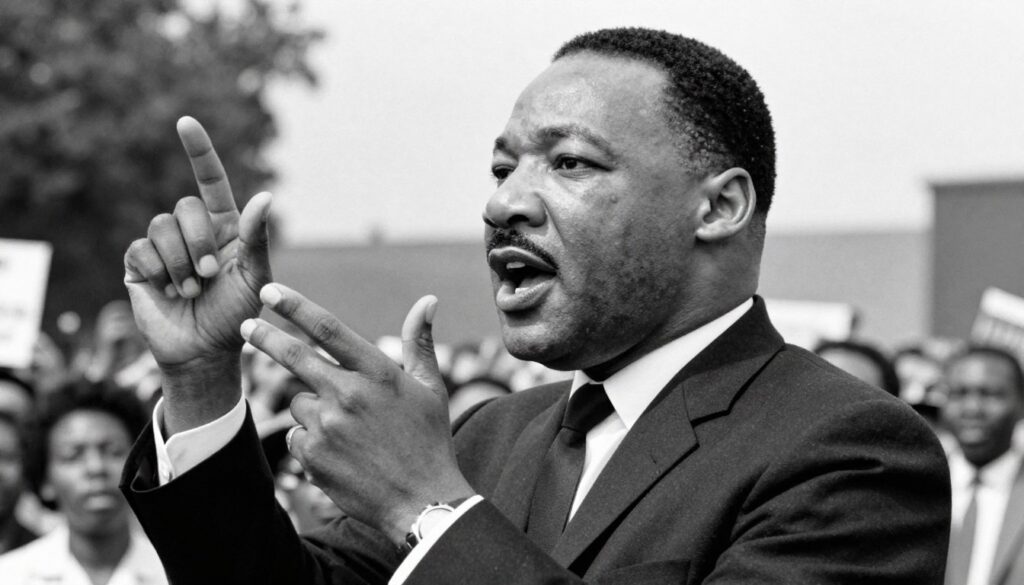
Martin Luther King Jr.’s haircut carried deep cultural meaning beyond mere aesthetics. His grooming choices reflected a conscious strategy during the civil rights movement. By maintaining an impeccably professional appearance, King challenged racist stereotypes about Black Americans. His look communicated competence, dignity, and respectability.
The hairstyle represented a broader conversation within the Black community about assimilation versus authenticity. Some viewed processed or neatly styled hair as conforming to white standards. Others, like King, saw professional grooming as strategic—a way to gain access to spaces where change could happen. This tension shaped Black hair politics for decades.
“The question is not whether we will be extremists, but what kind of extremists we will be. Will we be extremists for hate or for love?”
King’s approach to his appearance exemplified this philosophy. He presented himself in a way that forced America to confront its prejudices. His neat haircut, combined with his powerful oratory, made it impossible to dismiss him using common racist tropes. The style became armor in the battle for civil rights.
The cultural impact extended beyond King himself. His look influenced how Black professionals presented themselves for years. Men entering corporate America, politics, or other mainstream spaces often adopted similar styles. The “like butterfly, sting like a bee” generation looked to King as a model of dignified resistance. His grooming choices proved that one could maintain cultural identity while navigating predominantly white spaces.
Historical Context: During the civil rights era, many establishments discriminated against Black people based on appearance. King’s professional grooming helped him access spaces where other activists might have been turned away. His look opened doors while his words changed minds. This strategic approach to presentation became a model for activists across movements.
Modern Interpretations of the MLK Haircut
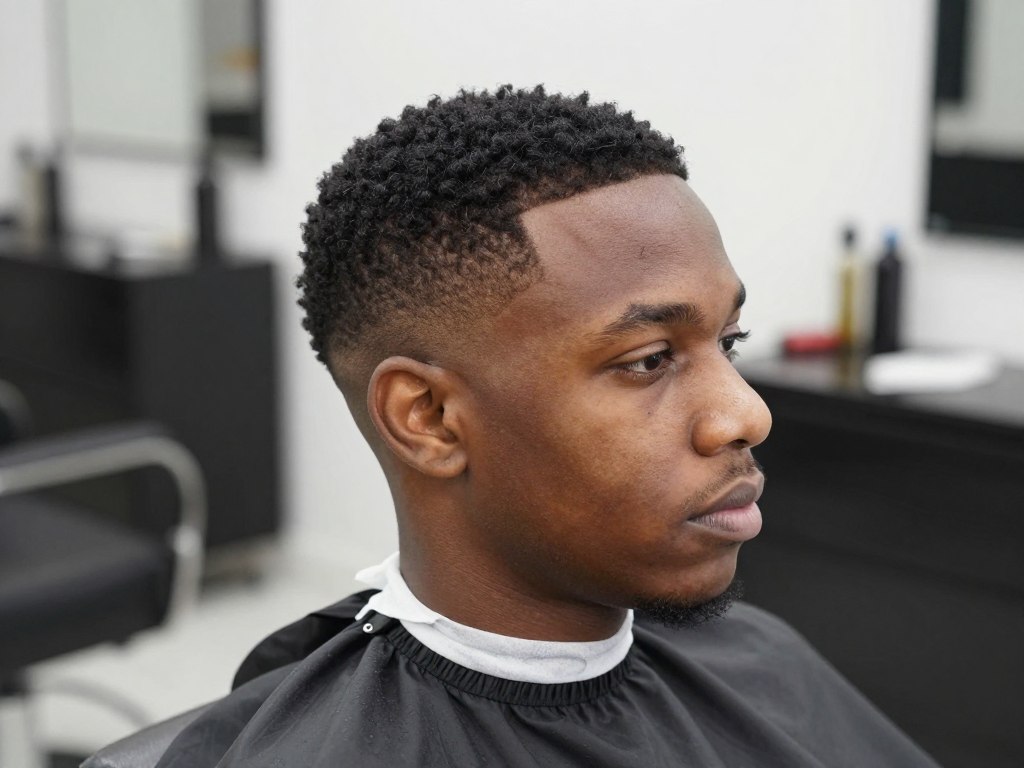
Today, martin luther king’s classic hairstyle remains relevant and popular. Modern barbers continue to receive requests for the look, especially around Martin Luther King Jr. Day. The style has transcended its historical origins to become a timeless option for professional men. Contemporary interpretations maintain the core elements while incorporating modern techniques.
Contemporary Adaptations
Modern versions often feature sharper fades and more defined lines than king jr. wore. Today’s clippers allow for precision that wasn’t possible in the 1960s. Some men add subtle designs or slightly longer tops. However, the fundamental structure remains the same—short sides, neat top, clean part.
The style appeals to men seeking a professional look that honors Black hair texture. It works well in corporate environments while maintaining cultural authenticity. Young professionals often choose this haircut when transitioning from more casual styles to business-appropriate looks. The versatility makes it suitable for various face shapes and hair types.
Barbers today have access to superior tools and products compared to king’s time. Modern pomades offer better hold without the heaviness of vintage products. Clippers provide smoother fades and more precise lines. These improvements make the style easier to achieve and maintain. Yet the essential character of the haircut remains unchanged—dignified, professional, and distinctly masculine.
Honoring a Legacy Through Style
Martin Luther King Jr.’s haircut was more than a personal grooming choice. It represented strategic thinking about image and influence during a critical time in American history. His neat, professional appearance challenged stereotypes and opened doors. The style became iconic because it embodied dignity, purpose, and careful attention to presentation.
Understanding king’s hairstyle helps us appreciate how appearance intersects with social movements. His grooming choices reflected the same thoughtfulness he brought to his speeches and activism. Every detail mattered in the fight for civil rights. From his words to his haircut, King crafted an image that demanded respect and inspired millions.
The legacy of martin luther king extends far beyond his famous “I Have a Dream” speech. His approach to personal presentation influenced generations of Black professionals. The classic short haircut with a side part remains a symbol of dignity and professionalism. Whether seeking that exact look or simply appreciating its historical significance, we can learn from King’s strategic approach to image and identity.
Ready to Experience This Timeless Look?
Connect with skilled barbers who understand the art and history of classic Black hairstyles. Book your appointment today and carry forward a legacy of dignity and professional excellence.
Or call us directly: