
Many people with straight hair wonder if curl cream can work for them. The beauty industry markets these products primarily to curly-haired individuals. But straight-haired folks often seek ways to add texture, volume, or waves to their locks.
The short answer is yes, curl cream can work on straight hair. However, the results differ significantly from what curly-haired people experience. Understanding how these products function helps you decide if they suit your needs.
This guide explores everything about using curl cream on straight hair. You’ll learn what happens when you apply it, what benefits you might see, and whether better alternatives exist for your hair goals.
Understanding Curl Cream Basics
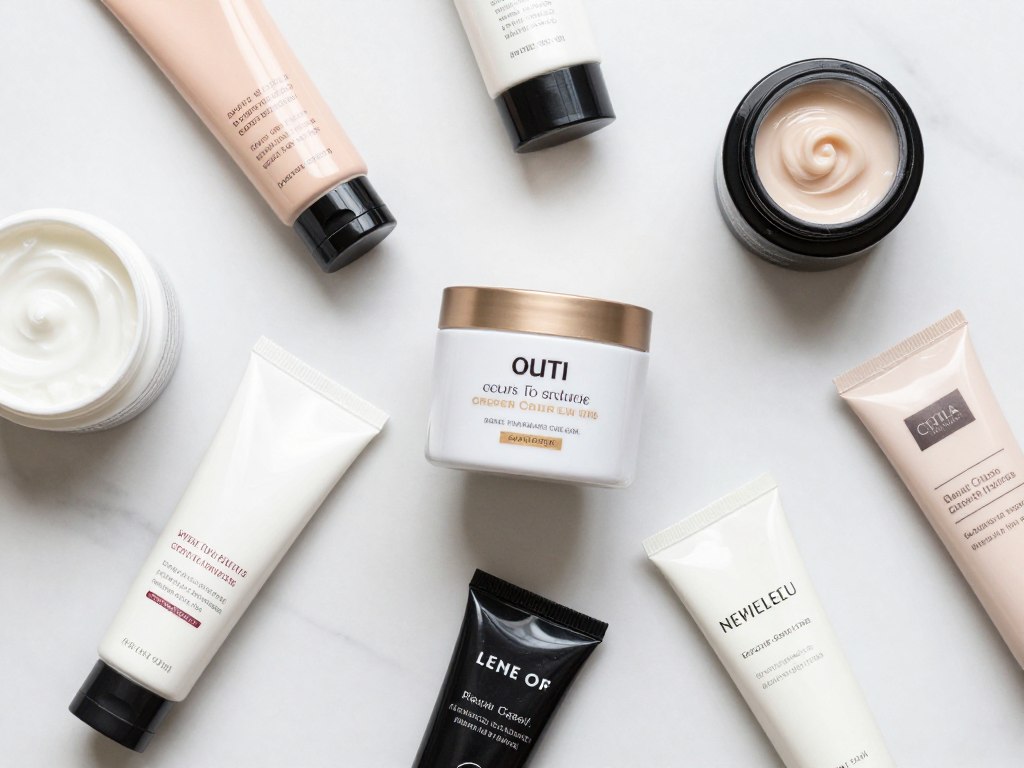
Curl cream represents a styling product category designed to enhance natural curl patterns. These creams contain specific ingredients that provide moisture, definition, and hold. The formula typically includes humectants, oils, and polymers.
What Makes Curl Cream Different
The best curl creams differ from regular hair creams in several ways. They contain higher concentrations of moisturizing agents. Many formulas include rice amino acids that strengthen hair structure.
These products also feature lighter textures than traditional hair creams. The consistency allows for even distribution through hair strands. Curl creams work by coating each strand with beneficial ingredients.
Primary Ingredients in Curl Formulas
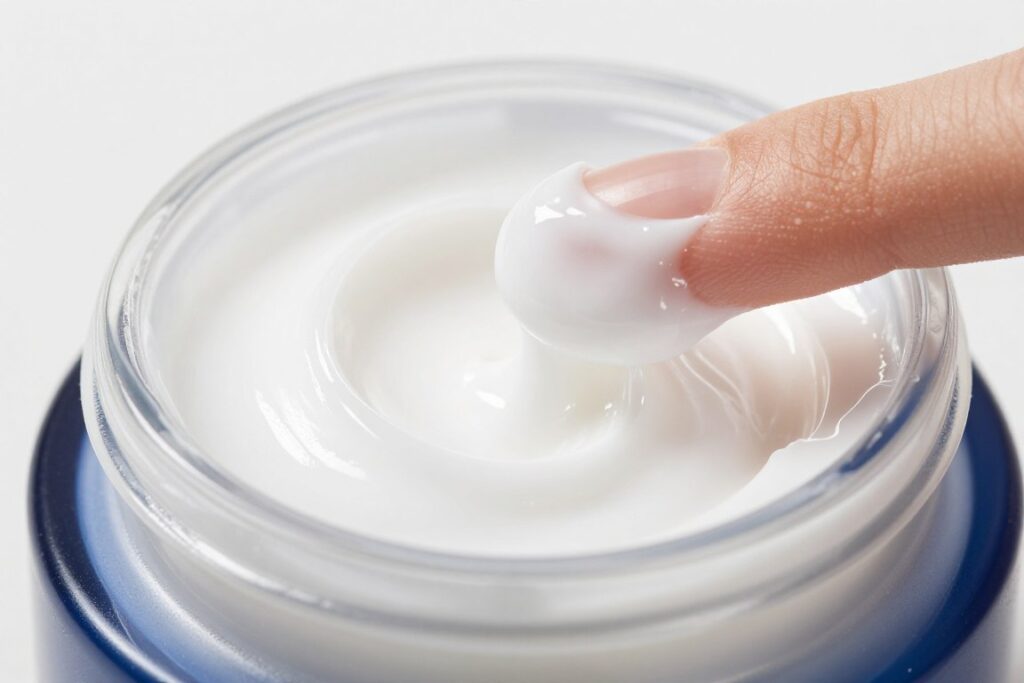
Most curl creams contain a blend of natural and synthetic ingredients. Common components include coconut oil, which penetrates the hair shaft. Mango butter provides deep moisture and softness.
Rice amino acids appear frequently in quality formulations. These proteins help repair damaged hair and add strength. The amino acids also contribute to definition without crunch.
Many formulas incorporate humectants like glycerin. These ingredients attract moisture from the environment. They help keep hair hydrated throughout the day.
Moisturizing Ingredients
- Coconut oil for deep penetration
- Mango butter for softness
- Shea butter for moisture retention
- Aloe vera for hydration
- Glycerin for humidity control
Defining Ingredients
- Rice amino acids for structure
- Polymers for hold
- Proteins for strength
- Botanical extracts for texture
- Silicones for smoothness
How Curl Cream Functions
Curl creams work by forming a flexible film around hair strands. This coating provides definition and reduces frizz. The product enhances whatever natural texture exists in your hair.
For curly hair, this means more defined, bouncy curls. The cream clumps hair strands together naturally. It provides enough hold to maintain the curl pattern without stiffness.
The formula also controls moisture levels in hair. This prevents the frizz that occurs when hair absorbs too much environmental humidity. The best curl creams create definition without crunch or heaviness.
How Curl Cream Affects Different Hair Types
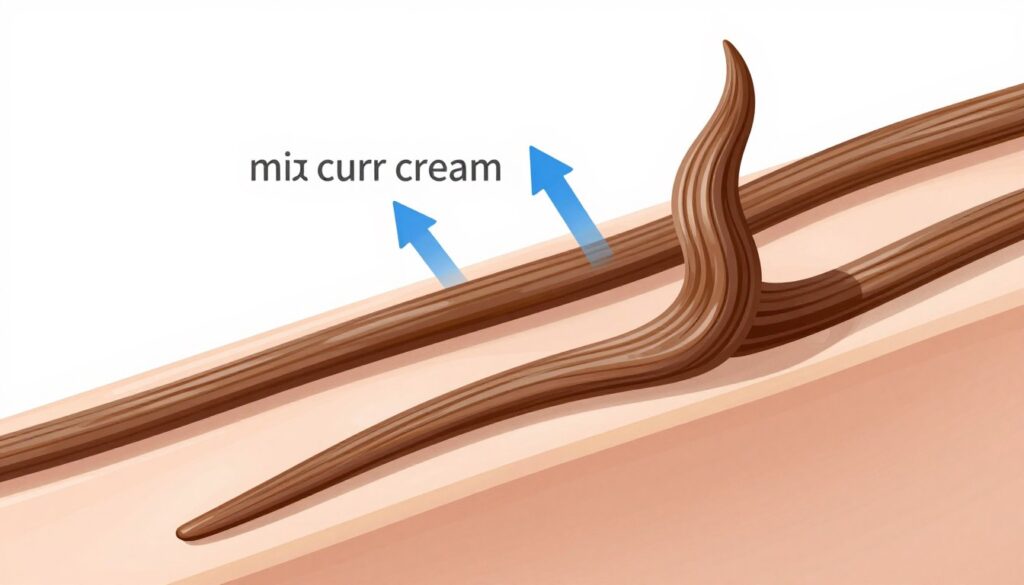
Hair type significantly impacts how curl cream performs. Understanding these differences helps set realistic expectations. Each texture responds uniquely to curl cream formulations.
Curl Cream on Curly and Coily Hair
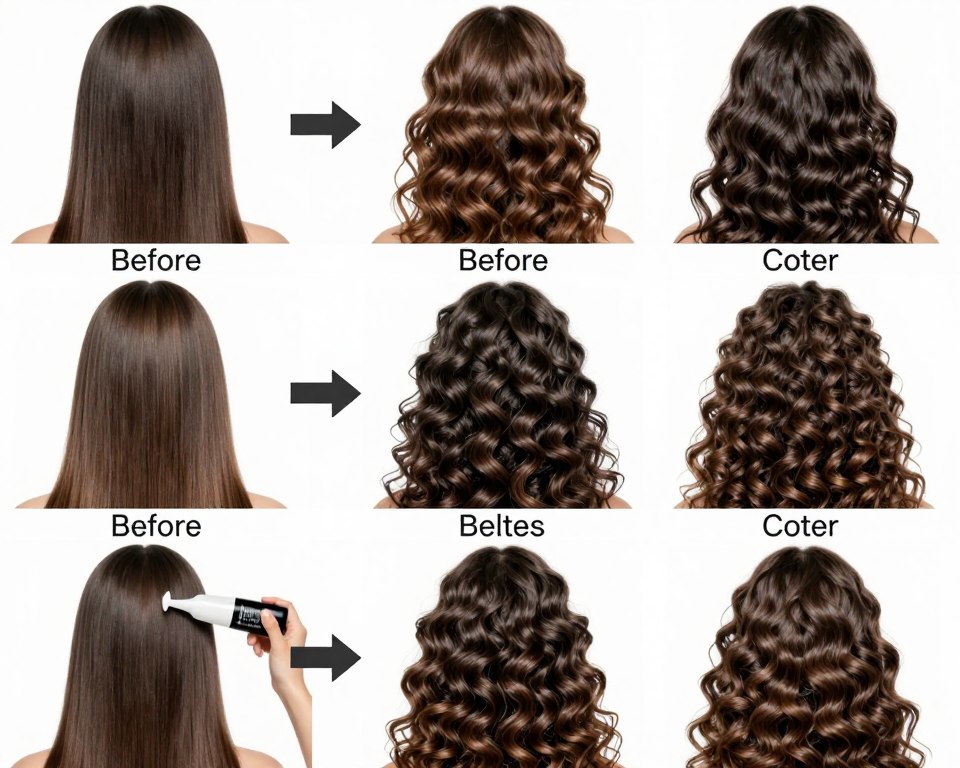
Curly hair benefits most from curl cream products. The natural curl pattern receives enhanced definition. The cream reduces frizz while maintaining bounce and movement.
Coily hair also responds excellently to these formulas. The tight curl pattern needs significant moisture. Curl creams provide this hydration while defining individual coils.
People with natural texture find curl cream essential for their routine. The product brings out their curl charisma naturally. It helps maintain moisture in hair types that tend toward dryness.
Effects on Wavy Hair
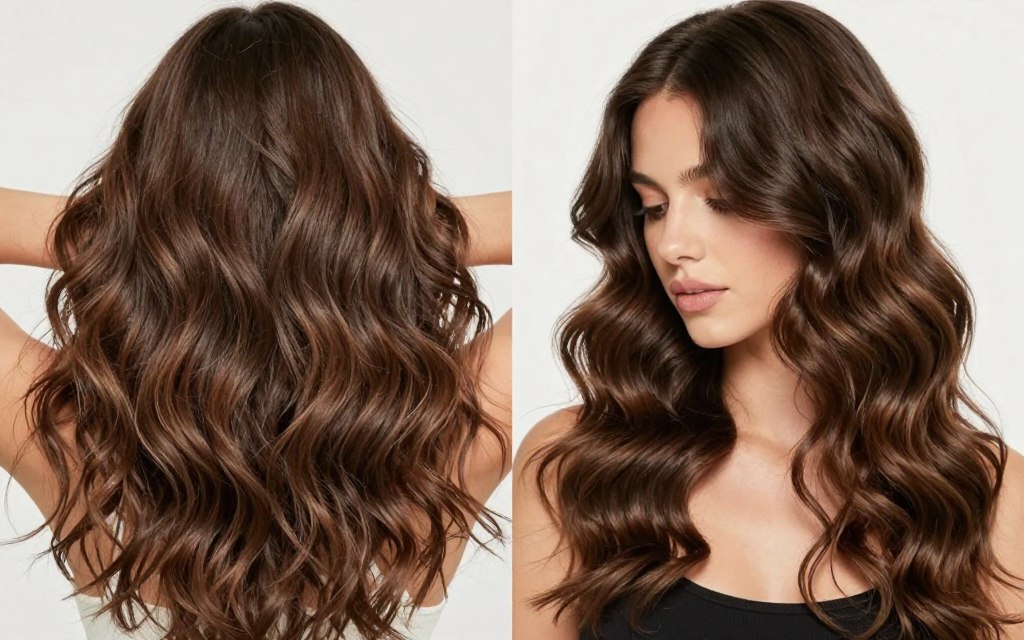
Wavy hair occupies middle ground between straight and curly. Curl cream can enhance existing wave patterns effectively. The product adds definition to loose waves.
Many wavy-haired individuals find lightweight curl creams perfect for their needs. These formulas don’t weigh down their natural texture. They provide just enough hold to maintain wave definition throughout the day.
The key for wavy curly hair involves choosing the right formula weight. Heavier creams may cause waves to fall flat. Lighter options preserve volume while enhancing texture.
The Reality for Straight Hair
Straight hair responds differently to curl cream than textured hair types. The product won’t create curls where none exist naturally. However, it can provide other benefits.
Some people with straight hair have slight bends or movement. Curl cream can enhance these subtle features. It adds texture and dimension to otherwise flat hair.
The cream also helps control frizz on straight hair. It provides moisture without making hair greasy. Many find it useful for achieving air dry styles with enhanced texture.
Fine hair requires special consideration when using curl cream. Heavy formulas weigh down delicate strands. Lightweight curl options work better for this hair type.
Important Note: Curl cream works best on hair with existing texture. If your hair is completely straight with no natural wave or bend, the cream provides moisture and frizz control rather than curl creation. Setting realistic expectations prevents disappointment.
Can Curl Cream Create Texture on Straight Hair?
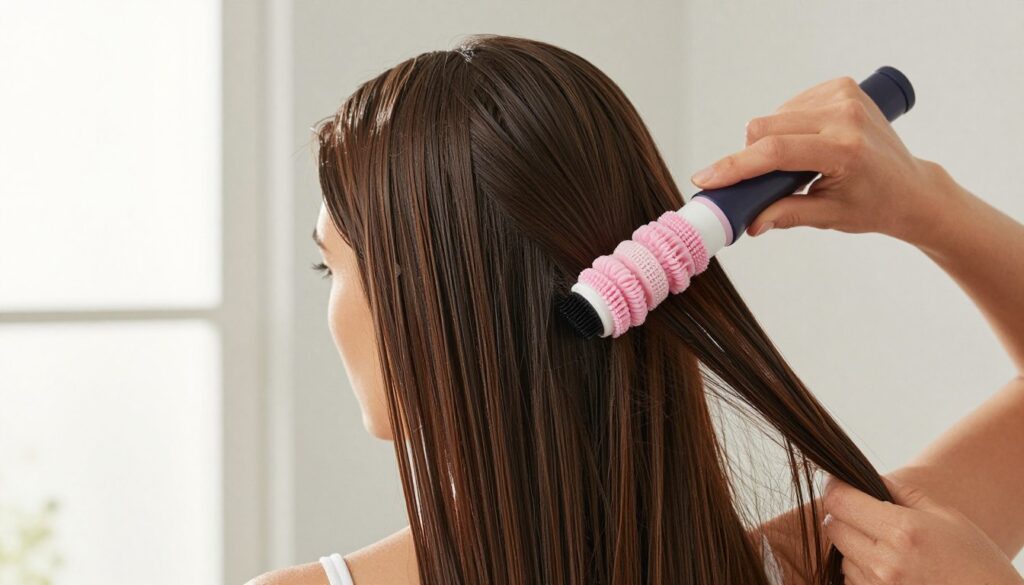
The question of whether curl cream creates texture on straight hair requires nuanced understanding. The product alone doesn’t transform straight hair into curly locks. However, combined with specific techniques, it can enhance whatever natural movement exists.
What Curl Cream Actually Does for Straight Hair
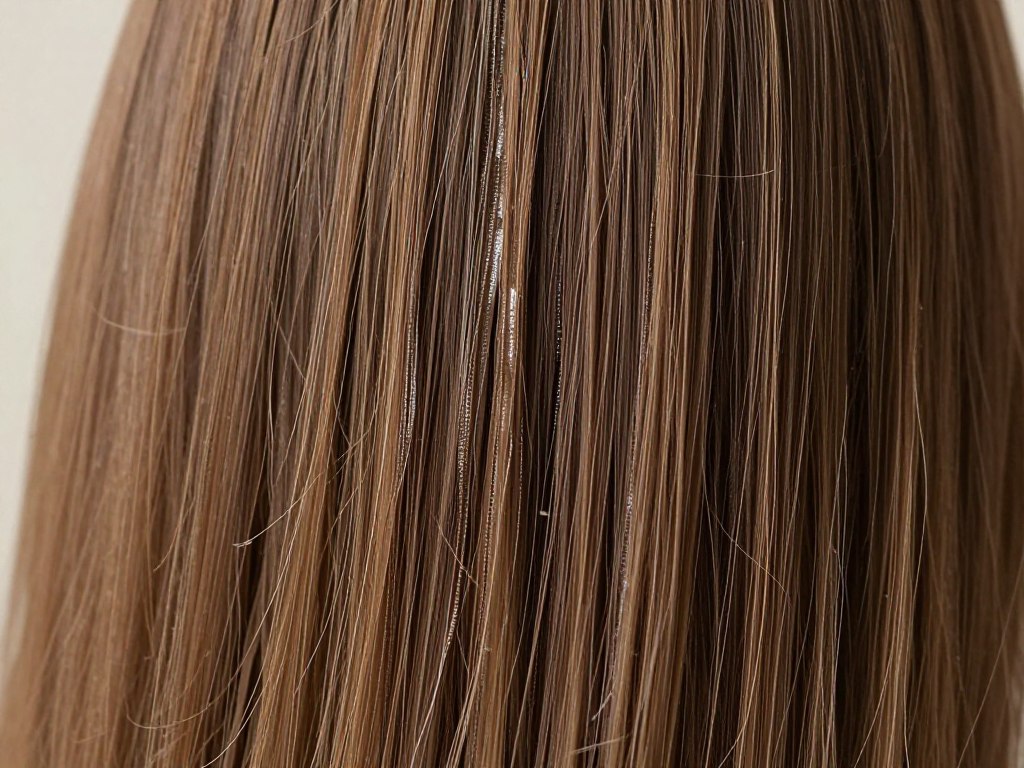
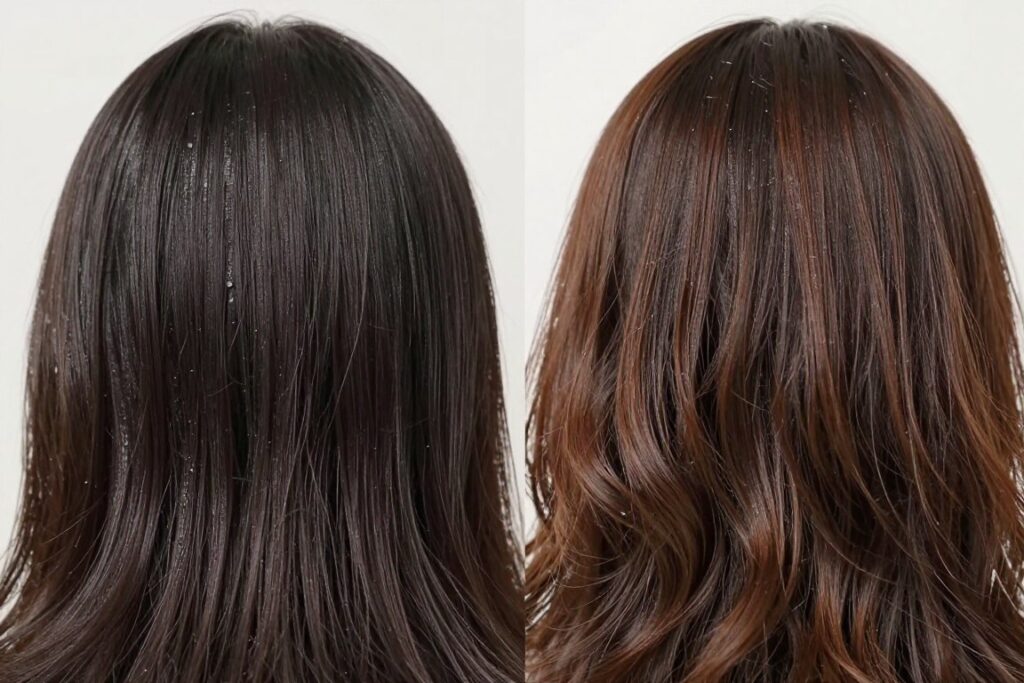
On straight hair, curl cream primarily functions as a styling cream with benefits. It smooths the hair cuticle and reduces frizz effectively. The formula adds shine and manageability to straight strands.
The cream can enhance very subtle wave patterns that might otherwise go unnoticed. If your hair has minimal natural bend, the product helps emphasize it. This creates the appearance of more texture and dimension.
Many people with straight hair find curl cream useful for achieving textured, air dry looks. The product prevents that completely flat appearance. It adds body and movement without requiring heat styling.
Techniques That Enhance Results
Applying curl cream to damp hair yields better results than dry application. The moisture helps distribute the product evenly. It also allows for easier manipulation of hair texture.
Scrunching hair while applying curl cream encourages wave formation. This technique works especially well on hair with slight natural wave. The scrunching motion helps create temporary texture.
Some people combine curl cream with braiding or twisting methods. They apply the product, then braid damp hair overnight. Upon removing the braids, the hair shows enhanced texture.
- Apply curl cream to freshly washed, damp hair for maximum effectiveness
- Use scrunching motions while distributing the product through hair sections
- Consider diffusing on low heat to enhance any natural movement present
- Try braiding or twisting techniques overnight for added texture creation
- Allow hair to air dry completely before touching for best results
Realistic Expectations for Straight Hair
Understanding limitations prevents disappointment with curl cream on straight hair. The product won’t create tight curls or dramatic waves on naturally straight hair. It provides subtle enhancement rather than transformation.
People with pin-straight hair may see minimal curl pattern changes. The primary benefits become moisture, smoothness, and frizz control. These advantages still make the product worthwhile for many.
Those with hair that’s mostly straight but has some natural movement see better texture results. The curl enhancer brings out these subtle characteristics. It makes natural texture more visible and defined.
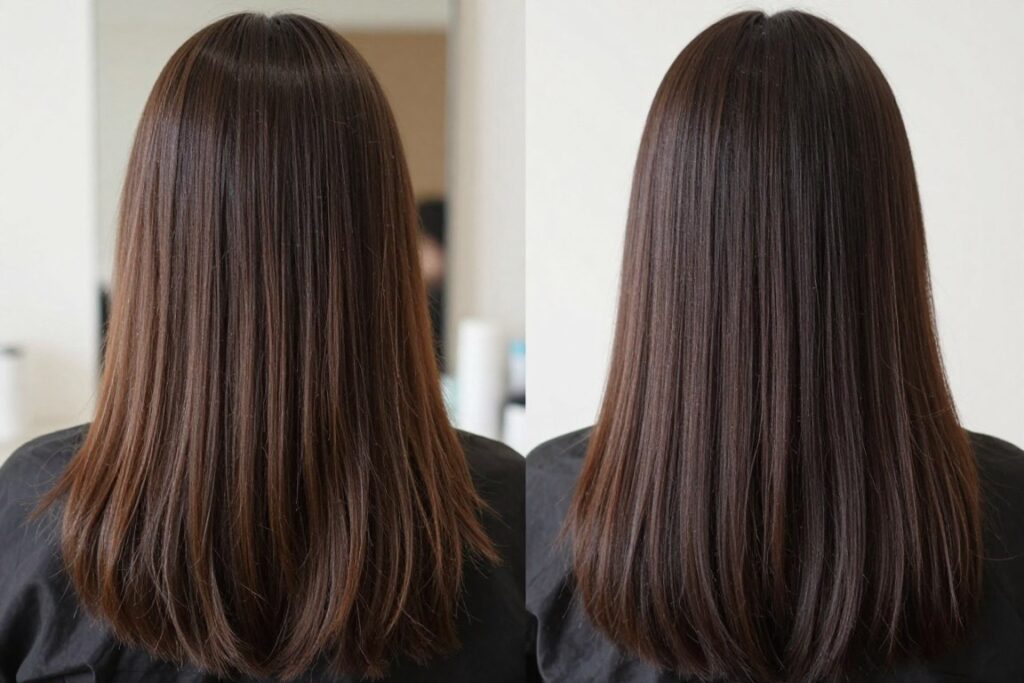
Want to Enhance Your Natural Hair Texture?
Explore specially formulated lightweight curl creams designed to work with straight hair. Discover products that add texture, control frizz, and create natural-looking dimension without weighing your hair down.
Benefits of Using Curl Cream on Straight Hair
While curl cream won’t transform straight hair into curls, it offers several valuable benefits. Understanding these advantages helps you decide if the product fits your hair care routine.
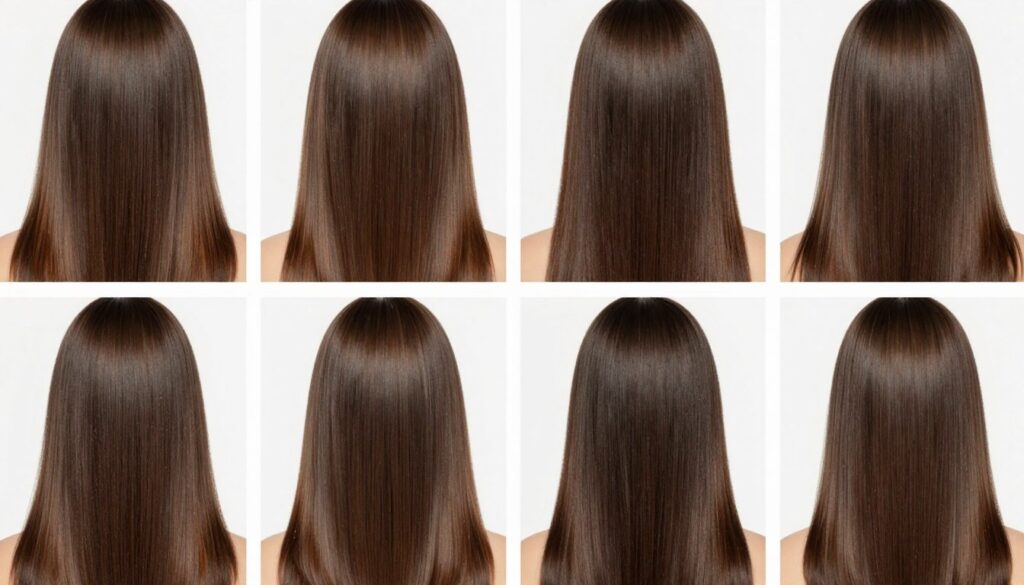
Moisture and Hydration
Curl cream excels at providing moisture to all hair types. The formula penetrates the hair shaft effectively. This helps combat dry hair conditions common with straight textures.
The moisturizing ingredients prevent brittleness and breakage. Regular use keeps hair soft and manageable. Many formulas include coconut oil that deeply nourishes straight strands.
Unlike some heavy moisturizers, the best curl creams hydrate without greasiness. They absorb into hair rather than sitting on the surface. This makes them suitable for daily use on straight hair.
Frizz Control and Smoothness
Frizz affects straight hair just as much as curly textures. Humidity causes straight hair to become fluffy and unruly. Curl cream creates a protective barrier against environmental moisture.
The formula smooths the hair cuticle effectively. This reduces the rough texture that leads to frizz. Hair appears sleeker and more polished after application.
Many users find curl cream superior to traditional anti-frizz serums. The lightweight formula provides control without heaviness. It maintains natural movement while eliminating flyaways.
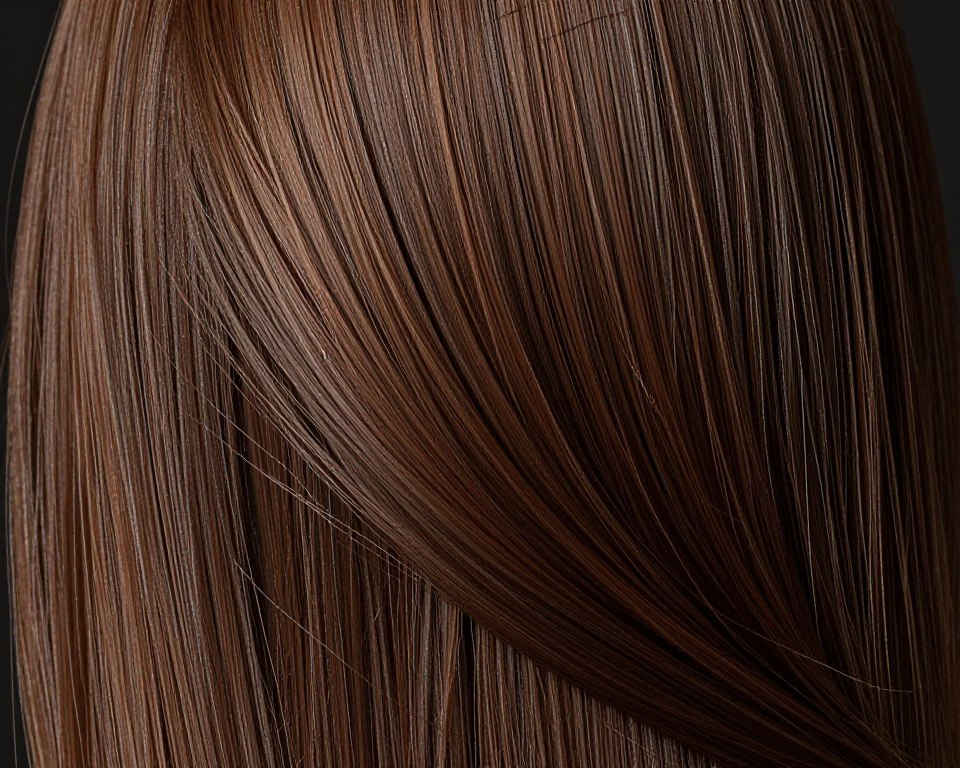
Added Volume and Body
Straight hair often lacks natural volume and body. Curl cream can help address this concern when applied correctly. The product adds thickness to individual strands.
Lightweight curl formulas lift hair at the roots when applied strategically. They provide structure without weighing hair down. This creates the appearance of fuller, more voluminous hair.
The key involves choosing formulas specifically designed for fine hair or straight textures. Heavy curl creams designed for coily hair will flatten straight locks. Light options enhance body beautifully.
Enhanced Shine and Luster
Curl cream imparts beautiful shine to straight hair. The smoothing effect on the cuticle allows light to reflect more evenly. Hair appears healthier and more vibrant.
Natural ingredients like mango butter contribute to this glossy appearance. They nourish hair while creating a reflective surface. The shine looks natural rather than greasy or artificial.
This benefit makes curl cream particularly useful for color-treated straight hair. Chemical processes often leave hair looking dull. The cream restores shine and vitality to processed strands.
Advantages for Straight Hair
- Deep moisture without heaviness
- Effective frizz control in humidity
- Adds natural-looking body and volume
- Creates beautiful shine and luster
- Enhances any subtle natural movement
- Protects against environmental damage
- Works well for air dry styling
- Reduces need for heat styling tools
Potential Drawbacks
- Won’t create curls on completely straight hair
- Wrong formula can weigh hair down
- May require experimentation to find right product
- Some formulas leave residue buildup
- Can be expensive compared to regular creams
- Results vary significantly by hair type
- Overuse leads to greasy appearance
Heat Protection Properties
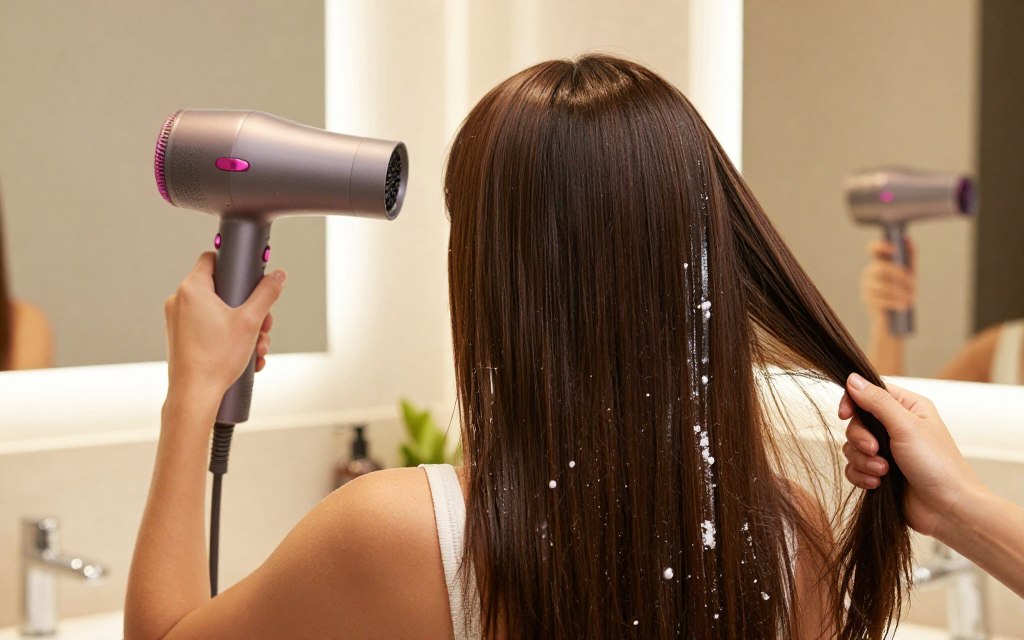
Many curl creams offer heat protection as a bonus benefit. This proves valuable when using blow dryers or styling tools on straight hair. The formula creates a barrier between hair and heat.
This protection prevents damage from regular heat styling. It helps maintain hair health over time. The added benefit makes curl cream a multipurpose product.
Drawbacks and Considerations
Understanding potential downsides helps you make informed decisions about using curl cream on straight hair. Several factors require consideration before incorporating these products into your routine.

The Risk of Product Buildup
Curl creams contain various ingredients that can accumulate on straight hair. Regular use without proper cleansing leads to buildup. This makes hair appear dull, heavy, and lifeless.
Straight hair shows buildup more obviously than curly textures. The smooth surface displays residue clearly. This requires more frequent clarifying treatments to maintain hair health.
Some curl cream formulas contain silicones that coat hair strands. While these provide immediate smoothness, they build up over time. Choosing water-soluble options helps minimize this issue.
Wrong Formula Weight Problems
Selecting curl cream designed for coily hair proves too heavy for straight strands. These rich formulas overwhelm fine or straight hair texture. The result looks greasy and flat.
Heavy curl creams weigh down straight hair significantly. They eliminate any natural volume or movement. Hair appears limp and unwashed even when freshly cleaned.
Finding the right formula weight requires research and experimentation. Lightweight curl creams work better for straight hair goals. Reading product descriptions carefully helps identify appropriate options.
Warning: Start with a very small amount of curl cream on straight hair. You can always add more, but using too much initially leads to greasy, weighed-down results. A pea-sized amount often suffices for shoulder-length straight hair.
Cost Versus Benefit Analysis
Quality curl creams often cost more than standard styling products. This investment makes sense for people with curly hair who see dramatic benefits. For straight-haired individuals, the cost-benefit ratio differs.
If you primarily seek moisture and frizz control, less expensive alternatives exist. Regular hair serums or leave-in conditioners might provide similar benefits. They typically cost significantly less than specialized curl creams.
However, if you want to enhance subtle natural texture, curl cream might justify the expense. The specialized formula works better than regular products for this purpose. Evaluating your specific hair goals helps determine if the investment makes sense.
Time and Effort Requirements
Achieving results with curl cream on straight hair requires technique and patience. Simply applying the product doesn’t guarantee enhanced texture. You need to use specific styling methods.
These techniques take time to master and execute. Scrunching, diffusing, or overnight braiding adds steps to your routine. People seeking quick styling solutions might find this frustrating.
The air dry method that works well with curl cream takes considerable time. If you need to style hair quickly in the morning, this approach proves impractical. Consider your lifestyle and time constraints when deciding.
Individual Hair Response Variation
Results from curl cream on straight hair vary dramatically between individuals. Some people see noticeable texture enhancement. Others experience minimal changes beyond basic moisturizing.
Your specific hair characteristics determine outcomes. Factors like hair porosity, thickness, and any subtle natural wave affect results. These variables make predicting success difficult.
This unpredictability means you might purchase products that don’t work for you. The trial-and-error process can become expensive and frustrating. Managing expectations helps prevent disappointment.
How to Apply Curl Cream on Straight Hair
Proper application technique significantly impacts results when using curl cream on straight hair. Following these methods maximizes benefits while minimizing potential drawbacks.
Preparing Your Hair
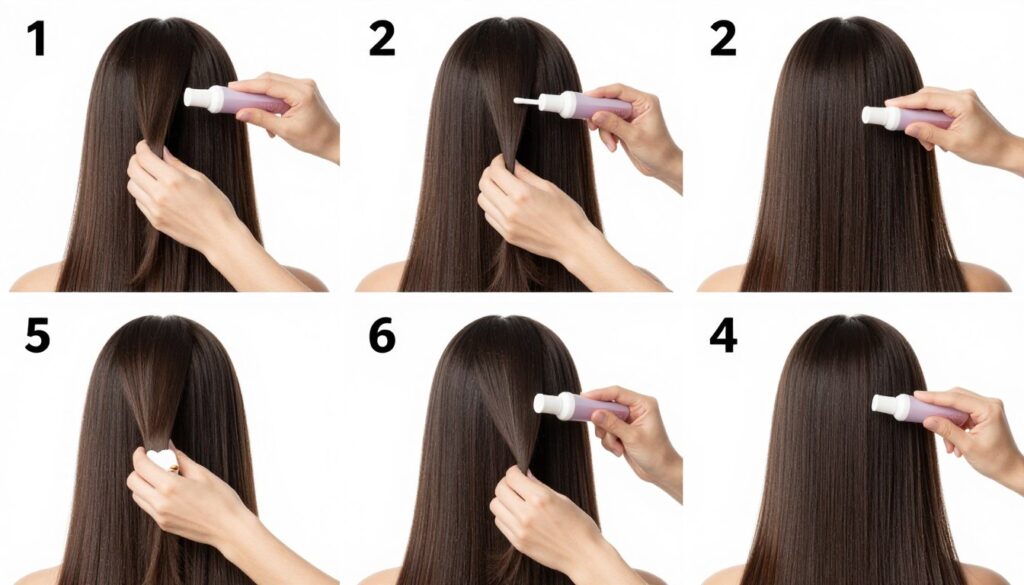
Start with freshly washed hair for best curl cream absorption. Clean hair accepts product more readily than hair with existing buildup. Use a clarifying shampoo occasionally to remove residue.
Gently towel-dry hair after washing until damp but not dripping. Excess water dilutes the curl cream and reduces effectiveness. Hair should feel moist to the touch.
Consider your hair type when planning product amount. Fine hair requires less product than thicker textures. Start with minimal amounts regardless of hair type.
Application Technique for Straight Hair
Dispense a small amount of curl cream into your palm. A quarter-sized amount works for most straight hair lengths. You can always add more if needed.
Rub the product between your palms to warm and emulsify it. This ensures even distribution through hair strands. Cold, unwarmed product applies unevenly.
Apply curl cream starting at mid-lengths and working toward ends. Avoid applying directly to roots unless you want added volume. Root application can make straight hair appear greasy.
- Wash hair with appropriate shampoo and rinse thoroughly to remove all cleansing residue
- Towel-dry gently until hair is damp but not soaking wet to the touch
- Dispense pea to quarter-sized amount of curl cream into your clean palm
- Rub product between both palms to warm and emulsify the cream formula
- Apply from mid-lengths to ends, avoiding the root area initially
- Use scrunching motions or smoothing techniques depending on desired result
- Allow to air dry or use diffuser on low heat setting
- Avoid touching hair while it dries to prevent frizz formation
Styling Methods for Enhanced Results
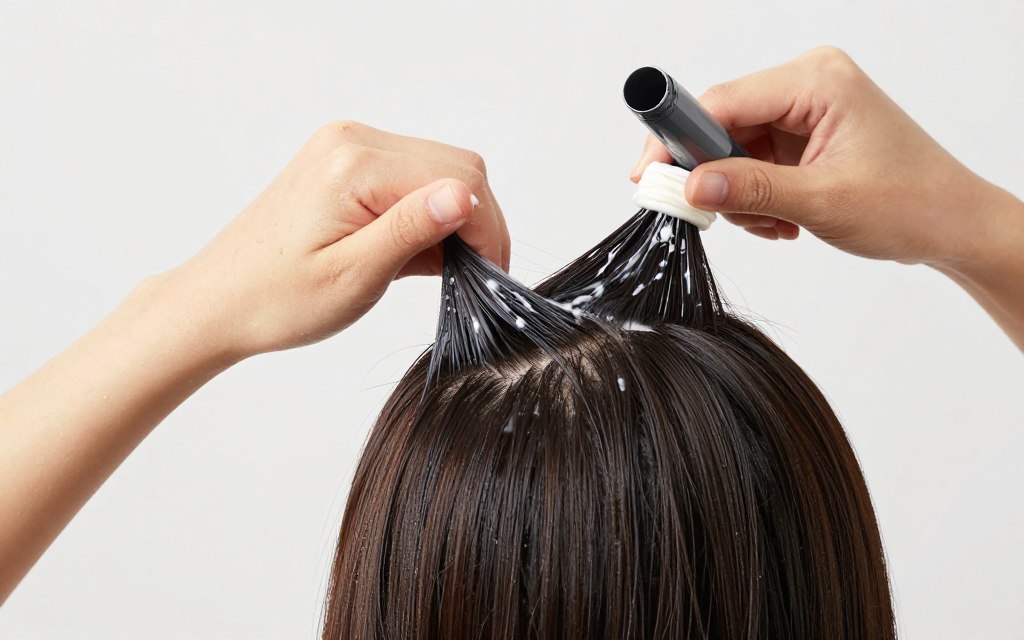
The scrunching technique works well for encouraging texture on straight hair. Scrunch sections of hair upward toward your scalp. This motion encourages wave formation on hair with subtle natural bend.
For sleeker results, smooth the curl cream down hair length. This method focuses on frizz control and shine. It works better for those who don’t want added texture.
Some people prefer the “praying hands” method for even distribution. Place hair between your palms and smooth downward. This ensures every strand receives product coverage.
Drying Methods That Work
Air drying allows curl cream to work most effectively on straight hair. This method takes patience but provides the best natural texture enhancement. Avoid touching hair while it dries.
If you’re short on time, use a diffuser attachment on your blow dryer. Keep the heat setting low to prevent damage. Scrunch hair gently while diffusing to encourage texture.
Some people achieve good results with the “plopping” method. After applying curl cream, wrap damp hair in a t-shirt for 15-30 minutes. This encourages wave formation and reduces frizz.
Common Application Mistakes
Using too much product represents the most common error with curl cream. Excess formula weighs straight hair down immediately. Start with less than you think you need.
Applying curl cream to dry hair reduces effectiveness significantly. The product works best on damp hair when cuticles are slightly raised. Dry application leads to uneven distribution.
Touching hair constantly while it dries disrupts the styling process. Each touch introduces frizz and reduces definition. Practice patience and hands-off styling.
Pro Tip: For straight hair, apply curl cream primarily to the ends and mid-lengths rather than roots. This prevents a greasy appearance while still providing frizz control and texture enhancement where you want it most.
Best Curl Cream Types for Straight Hair
Not all curl creams suit straight hair equally. Understanding which formulations work best helps you make informed purchasing decisions and achieve better results.
Lightweight Formula Characteristics
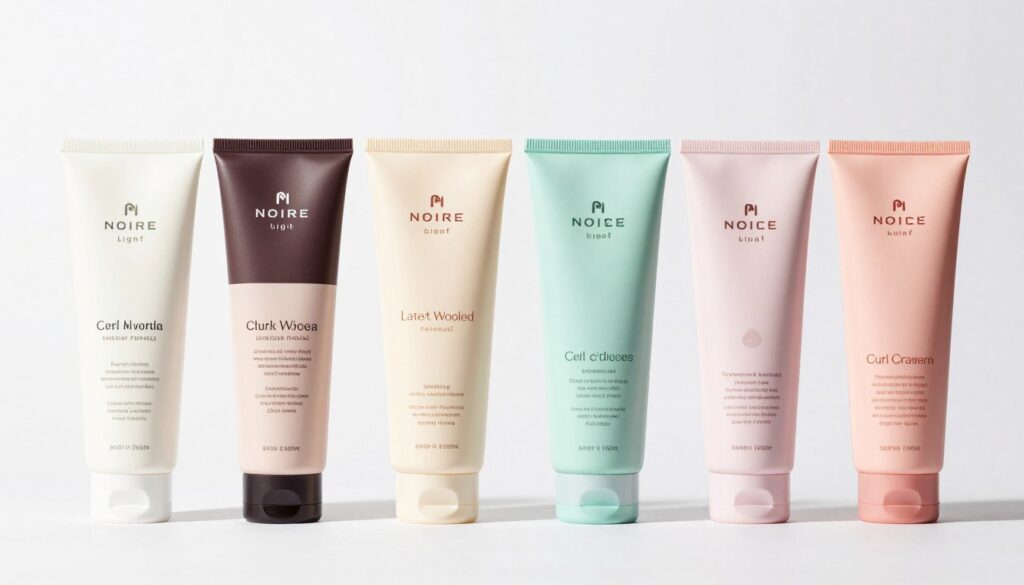
Lightweight curl creams work best for straight hair texture. These formulas contain less heavy oils and butters. They provide benefits without weighing hair down.
Look for products labeled specifically for fine hair or wavy textures. These formulations typically suit straight hair better than those designed for coily hair. The lighter consistency distributes more evenly through smooth strands.
Water-based formulas often work better than oil-heavy options. They provide moisture and control without greasiness. These products rinse out more easily, reducing buildup concerns.
Key Ingredients to Seek
Rice amino acids benefit all hair types, including straight hair. These proteins strengthen strands without adding excessive weight. They help create subtle texture and definition.
Lightweight oils like argan or grapeseed work better than heavy coconut oil for straight textures. They provide shine and moisture without overwhelming hair. These oils absorb quickly into strands.
Humectants like glycerin help maintain moisture balance. They prevent both dryness and excessive oiliness. Look for these ingredients in the product’s first few listed components.
Beneficial Ingredients
- Rice amino acids for lightweight protein
- Aloe vera for moisture without weight
- Lightweight oils (argan, grapeseed)
- Panthenol for strength and shine
- Glycerin for humidity control
- Hydrolyzed proteins for structure
Ingredients to Approach Cautiously
- Heavy butter (shea, cocoa) in high concentrations
- Thick oils (castor, coconut) as primary ingredients
- Heavy silicones that build up quickly
- Petroleum-based products
- Excessive waxes for hold
Recommended Product Categories
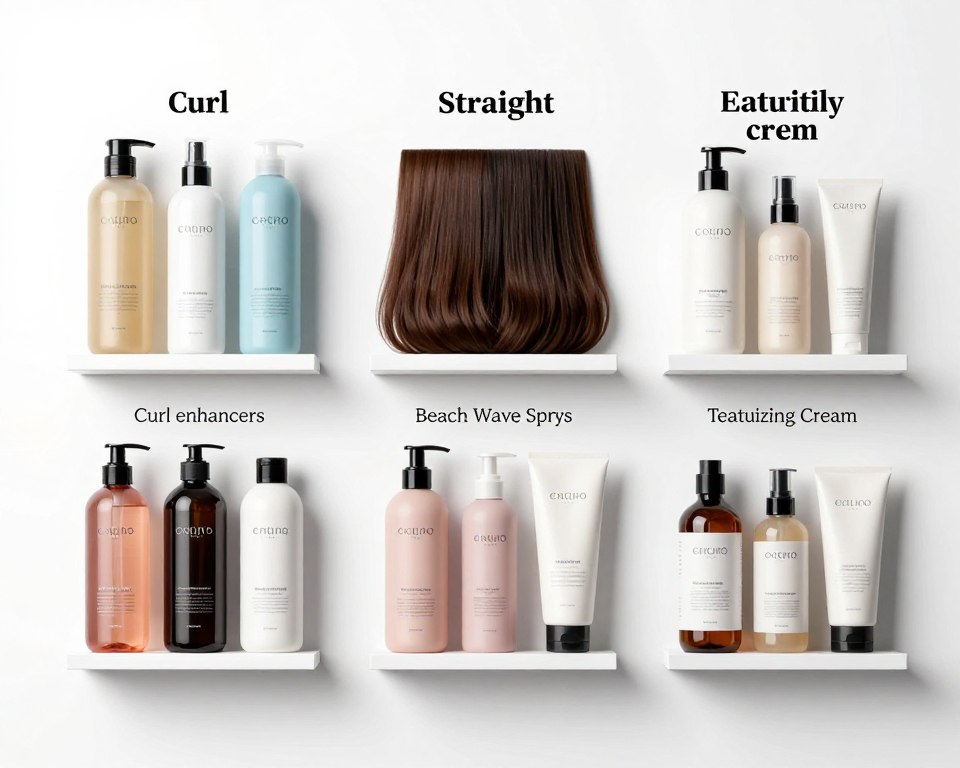
Curl enhancer products often work well for straight hair goals. These formulas focus on bringing out subtle texture rather than creating dramatic curls. They provide the right level of enhancement.
Beach wave products represent another excellent option. These styling creams create tousled, textured looks on straight hair. They typically have lighter formulations than traditional curl creams.
Texturizing creams designed for “wavy curly” hair often suit straight textures. These products bridge the gap between straight and curly formulations. They provide enough weight to add texture without flattening hair.
Understanding Product Labels
Products marked “curl charisma” or “definition without crunch” often work well. These descriptions indicate formulas that enhance natural texture. They provide hold without stiffness.
Avoid products specifically designed for “coily hair” or “type 4 curls.” These formulations contain too much heavy moisturizing for straight hair. They will likely make your hair look greasy.
Look for phrases like “lightweight hold,” “touchable texture,” or “for fine to medium hair.” These indicators suggest formulas more appropriate for straight hair needs.
Multi-Purpose Styling Products
Some curl creams function as all-in-one styling products. They combine moisturizing, heat protection, and styling properties. These versatile options work well for straight hair routines.
Many of the best curl products now cater to multiple hair types. Brands increasingly create formulas that work across curl patterns. These inclusive options often suit straight hair better.
Consider products that allow for air dry styling. These formulas help enhance natural texture without requiring heat tools. They suit the effortless styling many straight-haired people prefer.
Recommended Curl Creams for Straight Hair
Based on formulation analysis and user feedback, certain curl creams work particularly well for straight hair. These products provide benefits without common drawbacks.
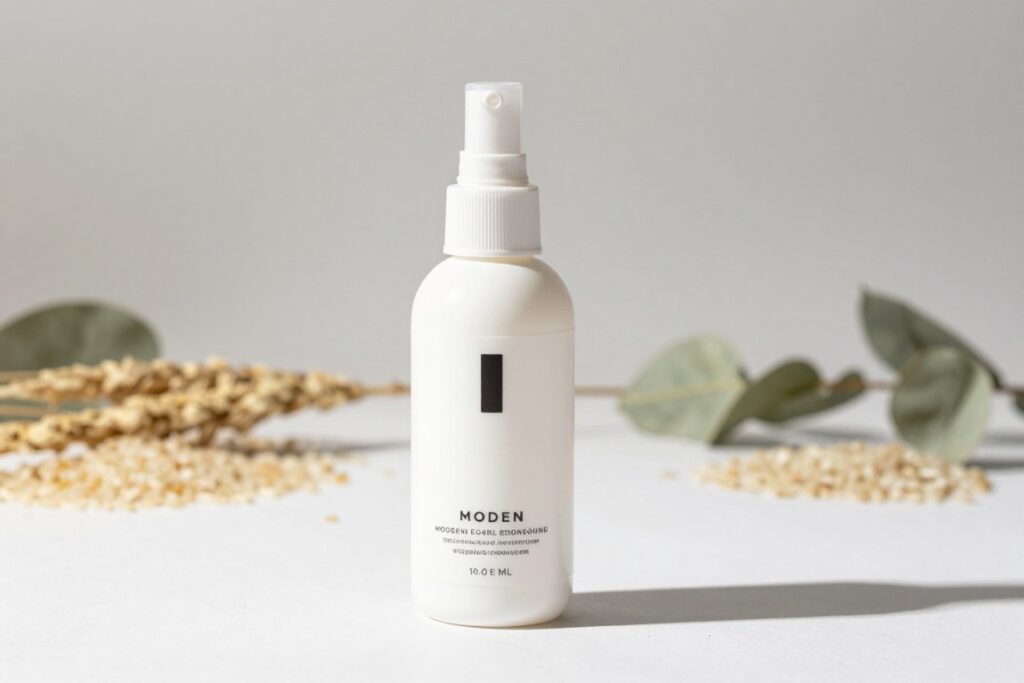
Lightweight Texture Enhancer
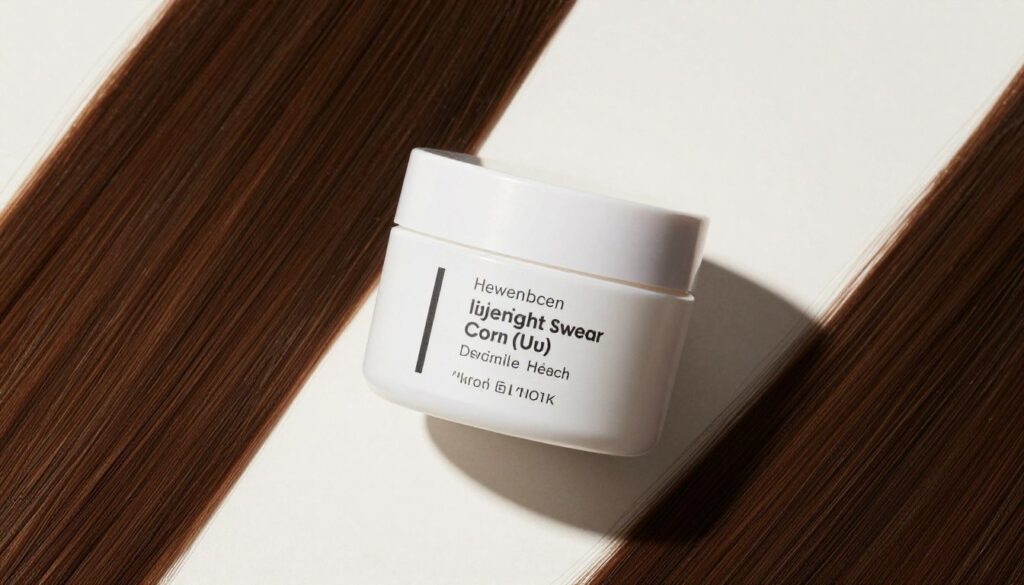
This lightweight curl cream contains rice amino acids that add subtle definition to straight hair. The formula provides moisture and frizz control without heaviness. Perfect for creating natural texture and movement on fine to medium straight hair.
- Rice amino acids strengthen and texturize
- Lightweight formula won’t weigh hair down
- Provides definition without crunch or stiffness
- Works well for air dry styling
- Suitable for daily use
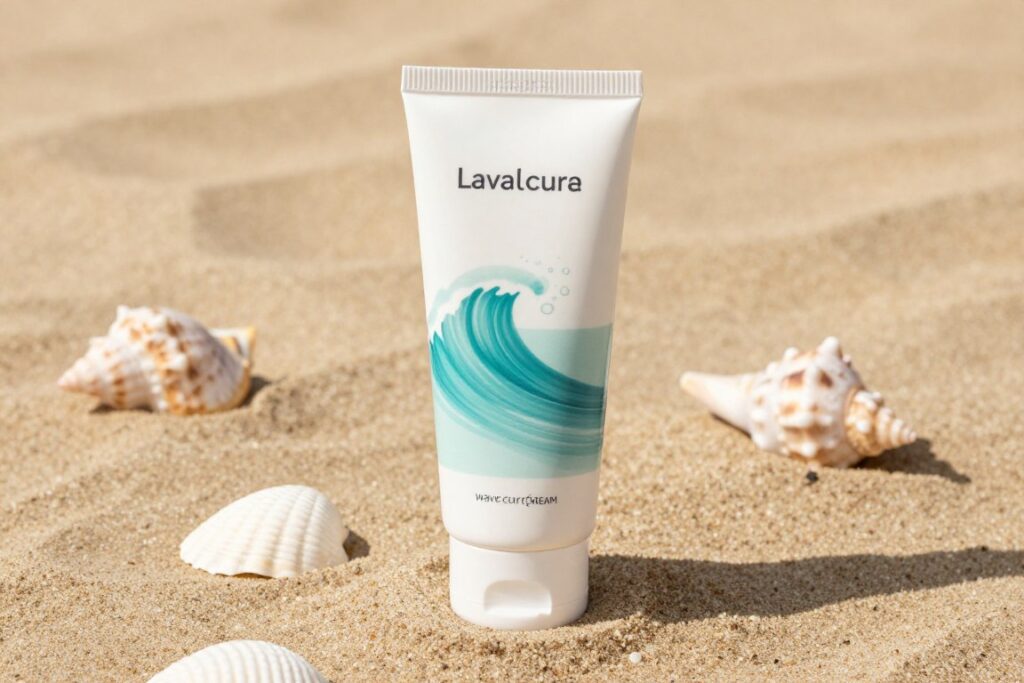
Beach Wave Formula
This beach-inspired styling cream creates tousled, textured waves on straight hair. The salt-infused formula adds grip and texture while maintaining natural movement. Ideal for achieving effortless, undone styles.
- Sea salt adds natural texture and grip
- Creates beachy, tousled wave effect
- Matte finish for natural appearance
- Works on damp or dry hair
- Buildable texture without stiffness
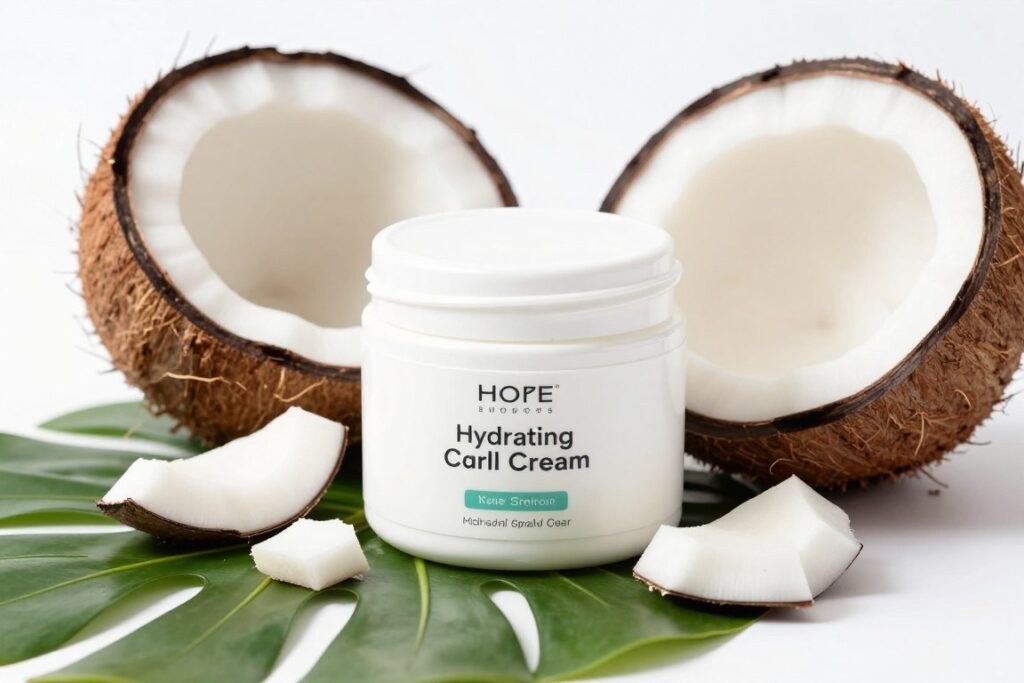
Hydrating Coconut Formula
This moisturizing curl cream features coconut oil and mango butter for intense hydration. While richer than other options, it works well for thicker straight hair or very dry conditions. Provides excellent frizz control and shine.
- Coconut oil deeply moisturizes dry hair
- Mango butter adds softness and shine
- Controls frizz in high humidity
- Best for medium to thick straight hair
- Creates glossy, healthy-looking finish
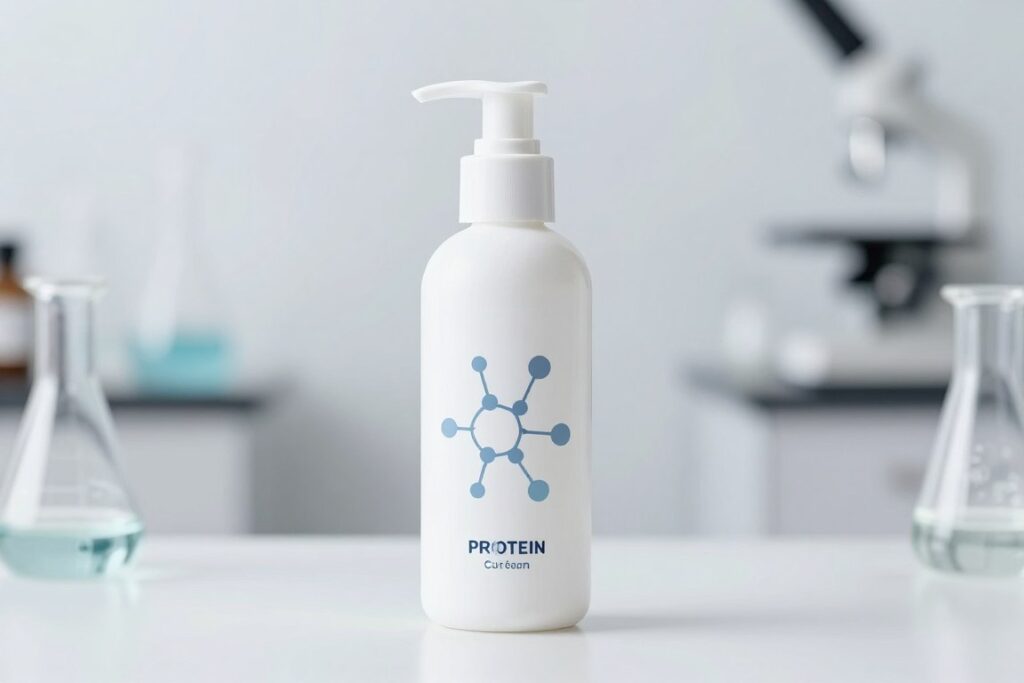
Protein Boost Formula
This protein-enriched curl cream strengthens fine straight hair while adding volume. The amino acids formula builds body without weight. Perfect for those seeking fullness and texture on thin, straight strands.
- Amino acids strengthen fine hair structure
- Builds volume and body at roots
- Lightweight protein doesn’t weigh hair down
- Enhances any subtle natural movement
- Ideal for fine or thin straight hair
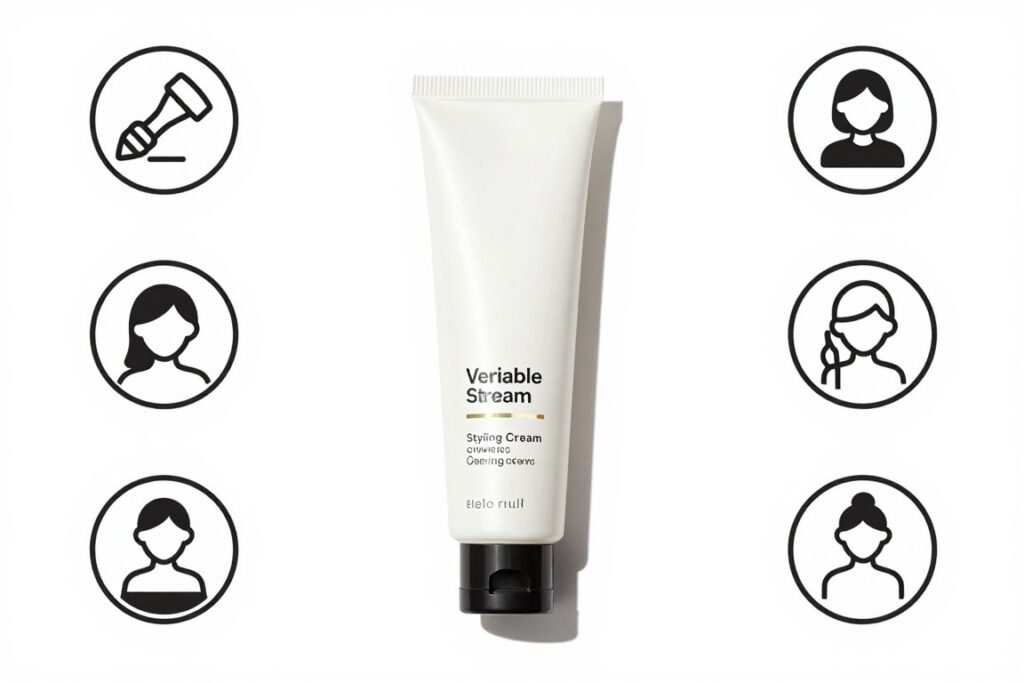
All-in-One Styling Cream
This versatile styling cream works as curl enhancer, heat protectant, and frizz fighter. The multi-purpose formula suits various styling methods. Great for straight hair users who want one product for multiple needs.
- Heat protection up to 230°C
- Controls frizz in all weather conditions
- Adds subtle texture and movement
- Works for air dry or heat styling
- Suitable for all straight hair types
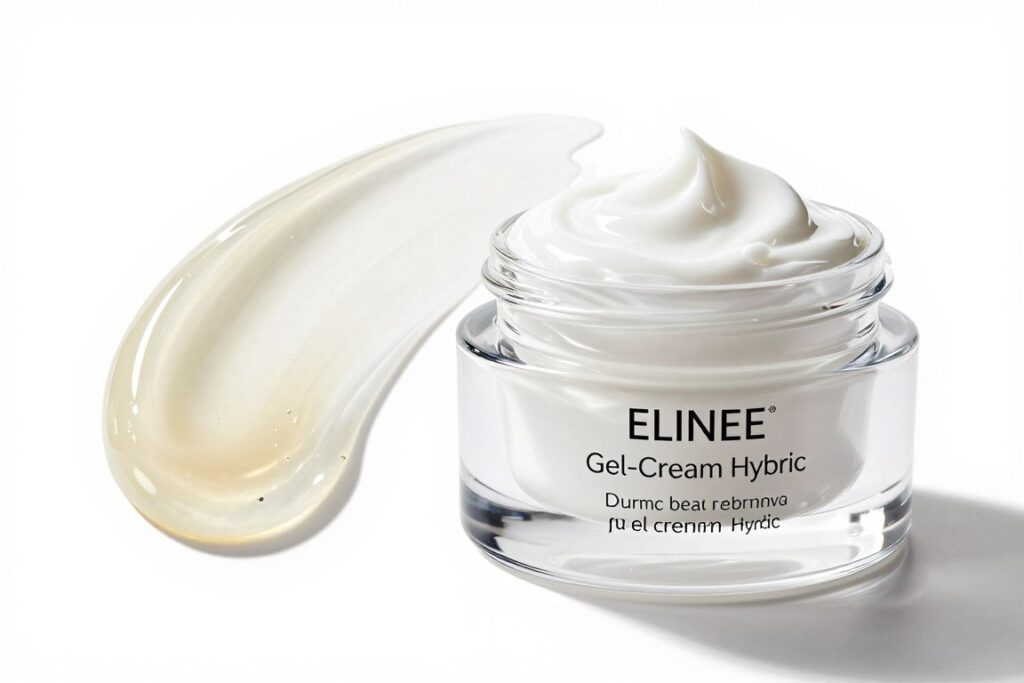
Gel-Cream Hybrid
This innovative gel-cream combination provides hold without stiffness. The hybrid formula offers more definition than cream alone but remains flexible. Excellent for straight hair that needs encouragement to hold waves.
- Gel hold with cream flexibility
- Defines waves without crunch or stiffness
- Long-lasting texture retention
- Definition without weighing hair down
- Ideal for straight hair with minimal wave
Shopping Tip: When purchasing curl cream for straight hair, look for samples or travel sizes first. This allows you to test how your hair responds before committing to full-size products. Many beauty retailers offer sample programs or smaller sizes perfect for testing.
Alternative Products for Straight Hair
If curl cream doesn’t meet your needs, several alternative products achieve similar goals. These options often work better for specific straight hair concerns.
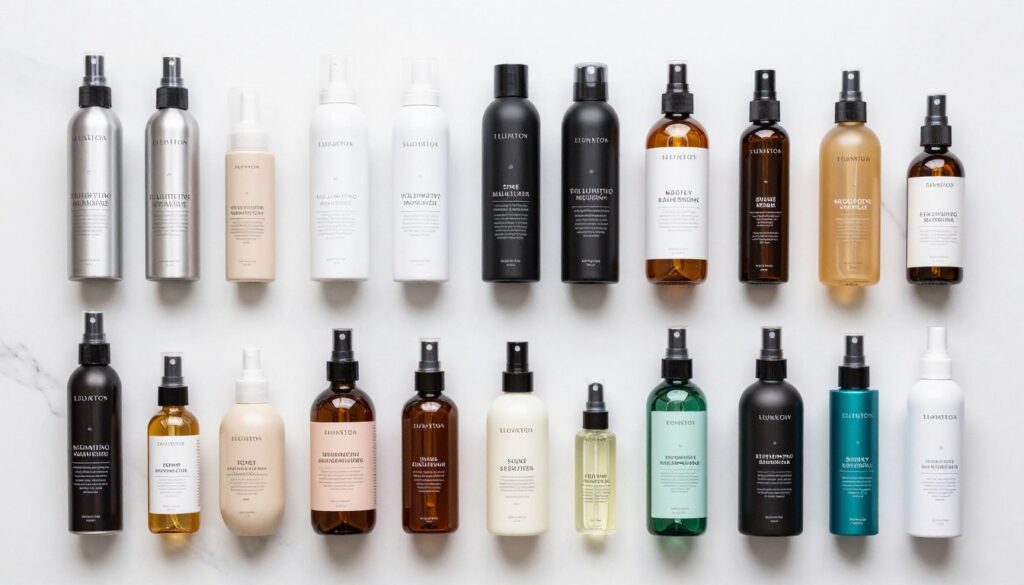
Texturizing Sprays and Mists
Texturizing sprays provide similar texture benefits with lighter formulas. These products add grip and dimension without moisture weight. They work especially well for fine hair types.
Sea salt sprays create beach wave effects more effectively than curl creams on straight hair. The salt content adds texture by roughening the hair cuticle slightly. This creates that coveted tousled appearance.
Dry texture sprays offer instant results without wet application. You can apply them to dry hair for immediate texture boost. They provide volume and movement that curl cream requires drying time to achieve.
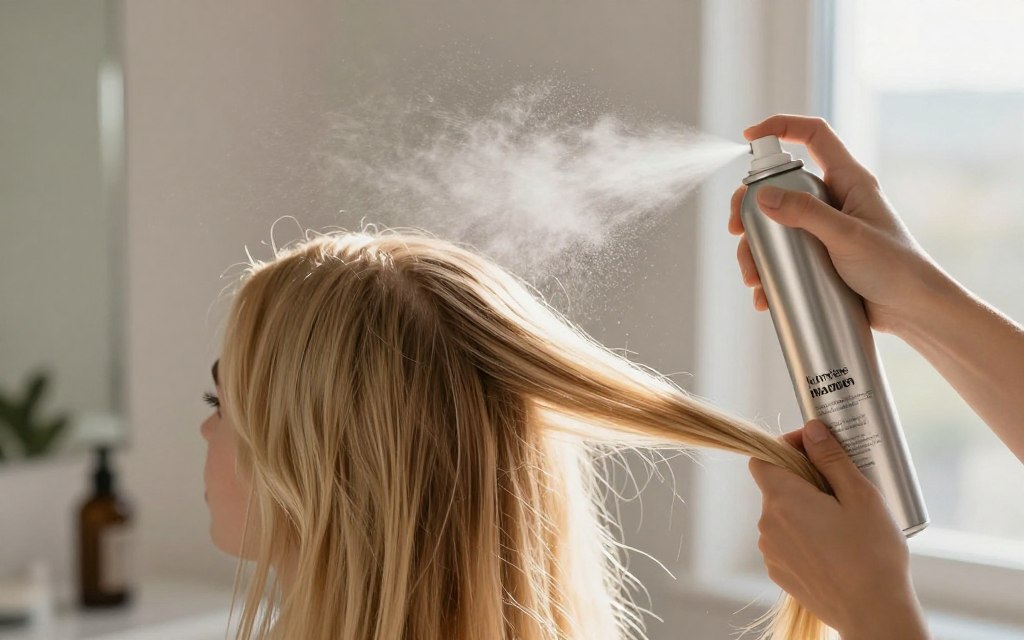
Volumizing Mousses
Mousse products excel at adding body and volume to straight hair. The foam formula distributes evenly without weighing hair down. Many formulas provide light hold that maintains volume all day.
Unlike curl creams, mousses specifically target volume creation. They lift hair at the roots effectively. This makes them superior for straight hair users primarily seeking fullness rather than texture.
Modern mousse formulas don’t create the crunchy, stiff results of older products. The best curl mousse options remain flexible and touchable. They enhance natural texture while maximizing volume.
Hair Oils and Serums
If your main goal involves frizz control and shine, hair oils work better than curl creams. These lightweight products smooth the cuticle without adding texture. They provide the sleek look many straight-haired people prefer.
Serums deliver targeted benefits like heat protection and environmental defense. They don’t attempt to create texture or hold. This focused approach works well when curl creation isn’t the goal.
Lightweight oils like argan or jojoba absorb quickly into straight strands. They provide moisture and shine without greasiness. A few drops often suffice for entire head coverage.
When to Choose Alternatives
- Your hair is very fine and easily weighted down
- You prefer completely sleek styles without texture
- Primary concern is volume rather than curl or wave
- You want instant results without drying time
- Budget constraints make expensive curl creams impractical
- You experience significant buildup from cream products
- Heat styling is your preferred method
Leave-In Conditioners
Leave-in conditioners provide moisture and protection like curl cream but without styling properties. These products focus purely on hair health. They work well for those who don’t want added texture.
Many leave-in formulas suit straight hair better than curl creams. They provide conditioning benefits without attempting to create curl or texture. The lighter formulations prevent weighing hair down.
You can layer other styling products over leave-in conditioners. This gives you more control over your final result. Use leave-in for health benefits, then add texture products only where desired.
Styling Gels for Hold
If you want to create and maintain waves on straight hair, gel provides superior hold. Modern gel formulas no longer create crunchy results. They offer flexible hold that maintains styled texture.
Gel works particularly well for overnight styling methods. Apply it before braiding or twisting hair to sleep. The hold ensures texture remains when you remove the braids in the morning.
Look for alcohol-free gel formulas to prevent drying. These modern options provide hold without compromising hair health. They work especially well for creating definition without crunch.
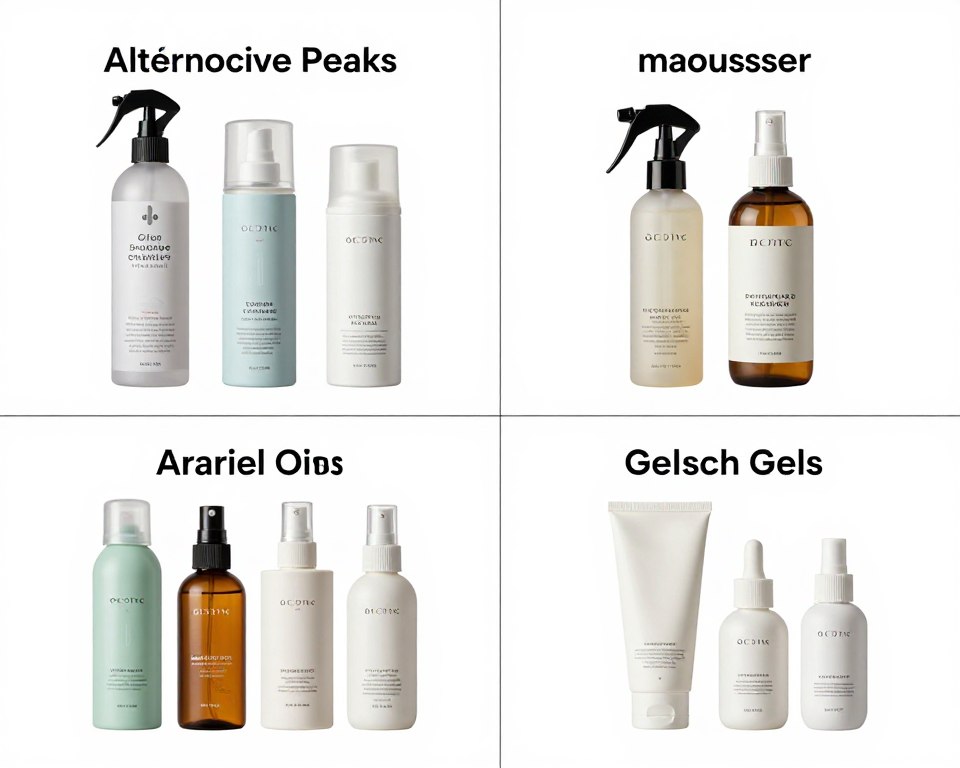
Best for Volume
Volumizing mousse lifts straight hair at roots and creates lasting body throughout the day.
Best for Texture
Sea salt spray creates instant beachy texture and tousled waves on straight hair types.
Best for Shine
Lightweight hair oils add glossy shine and frizz control without adding texture or weight.
Expert Tips for Styling Straight Hair
Professional stylists share insights for getting the most from curl cream or achieving desired texture on straight hair. These techniques enhance results significantly.
Layering Products Strategically
Product layering creates better results than using curl cream alone. Start with a leave-in conditioner for moisture. Follow with curl cream for texture, then finish with light hairspray if needed.
The order of product application matters significantly. Apply thinnest to thickest consistency for best absorption. This allows each product to work without interference from others.
Don’t combine too many products in one session. Two to three complementary products typically suffice. More than this often weighs straight hair down or causes buildup.
Strategic Sectioning Methods
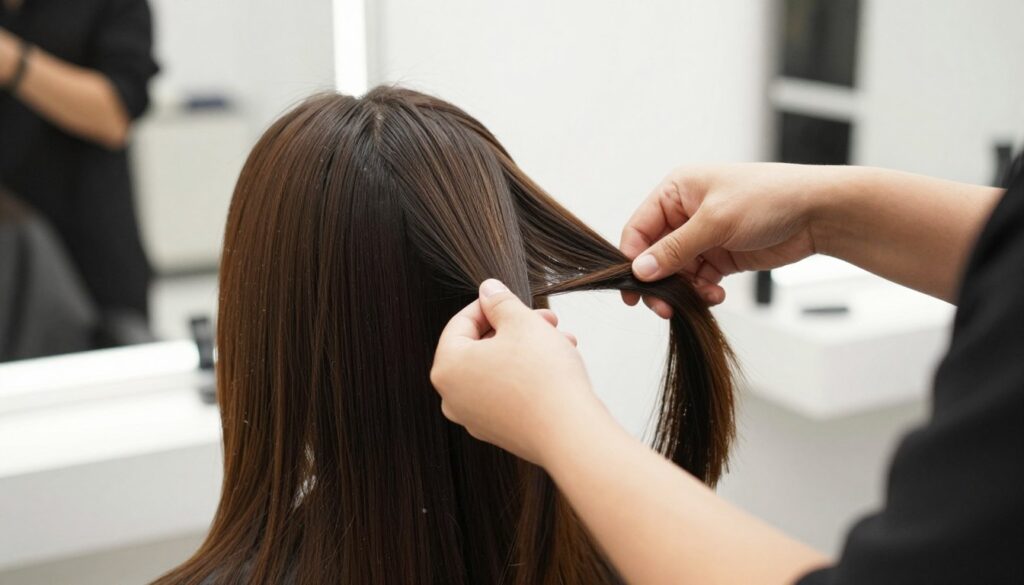
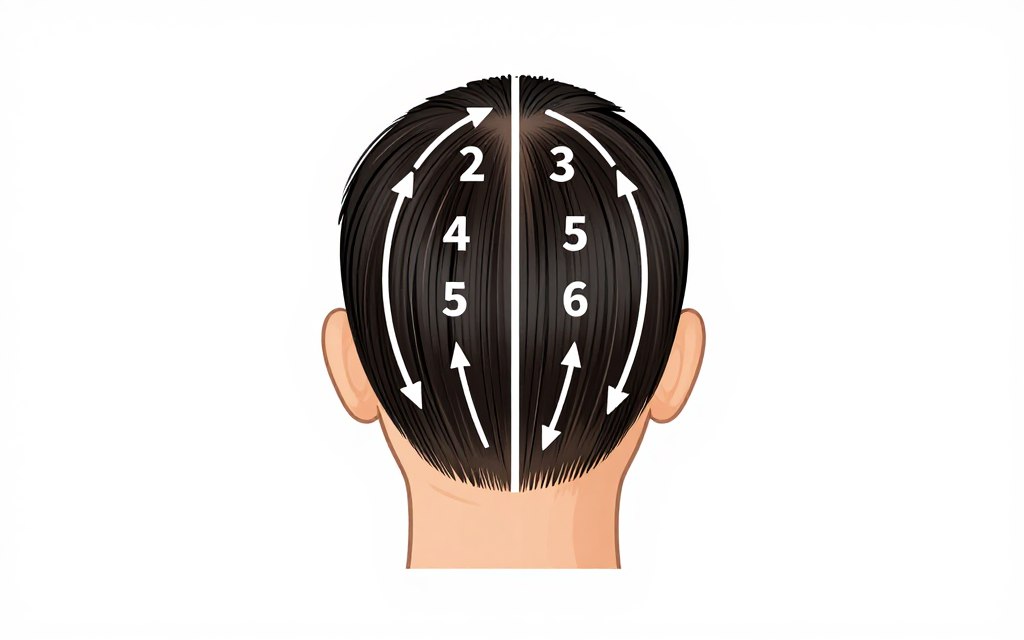
Dividing hair into sections ensures even curl cream distribution. Work with four to six sections depending on hair thickness. This prevents missing areas or over-applying to others.
Clip sections out of the way as you work. This organization improves application consistency. It also speeds up the process and reduces frustration.
Apply product to each section individually rather than trying to work through all hair at once. This methodical approach yields more uniform results. It helps create consistent texture throughout your hair.
Heat Styling Considerations
Using heat tools with curl cream requires specific techniques. Apply curl cream to damp hair first. Let it partially air dry before using hot tools.
Keep heat settings moderate to prevent product burning. High heat can cause curl cream ingredients to smoke or create unpleasant odors. Medium heat works effectively while protecting hair.
Consider using a diffuser attachment instead of direct blow-drying. The diffuser distributes heat more gently. This helps enhance any natural texture without damaging hair.
Overnight Styling Techniques
Overnight methods work well for creating texture on straight hair with curl cream. Apply product to damp hair, then braid into several sections. Sleep with braids in place.
The longer hair stays styled, the better texture sets. Morning removal reveals enhanced waves. This method requires no heat and causes no damage.
Use satin or silk pillowcases to reduce friction. Cotton pillowcases create frizz and disturb styling. The smooth surface of silk helps maintain texture overnight.
Do These
- Start with small product amounts
- Apply to damp, not soaking wet hair
- Use sectioning for even distribution
- Allow adequate drying time
- Experiment with different techniques
- Use clarifying shampoo weekly
- Protect hair while sleeping
Avoid These
- Using too much product initially
- Applying to completely dry hair
- Touching hair constantly while drying
- Using high heat settings
- Applying product directly to roots
- Skipping regular clarifying treatments
- Sleeping on rough cotton pillowcases
Refreshing Day-After Hair
Refreshing straight hair styled with curl cream requires gentle techniques. Avoid rewetting hair completely as this requires full restyling. Instead, use targeted refresh methods.
Lightly mist hair with water in areas that need refreshing. Add a tiny amount of curl cream, emulsified in damp hands. Scrunch gently to reactivate texture.
Dry shampoo helps refresh roots without affecting styled lengths. Apply it only where needed. This absorbs oil and adds volume without disturbing texture.
Customizing Techniques for Your Hair
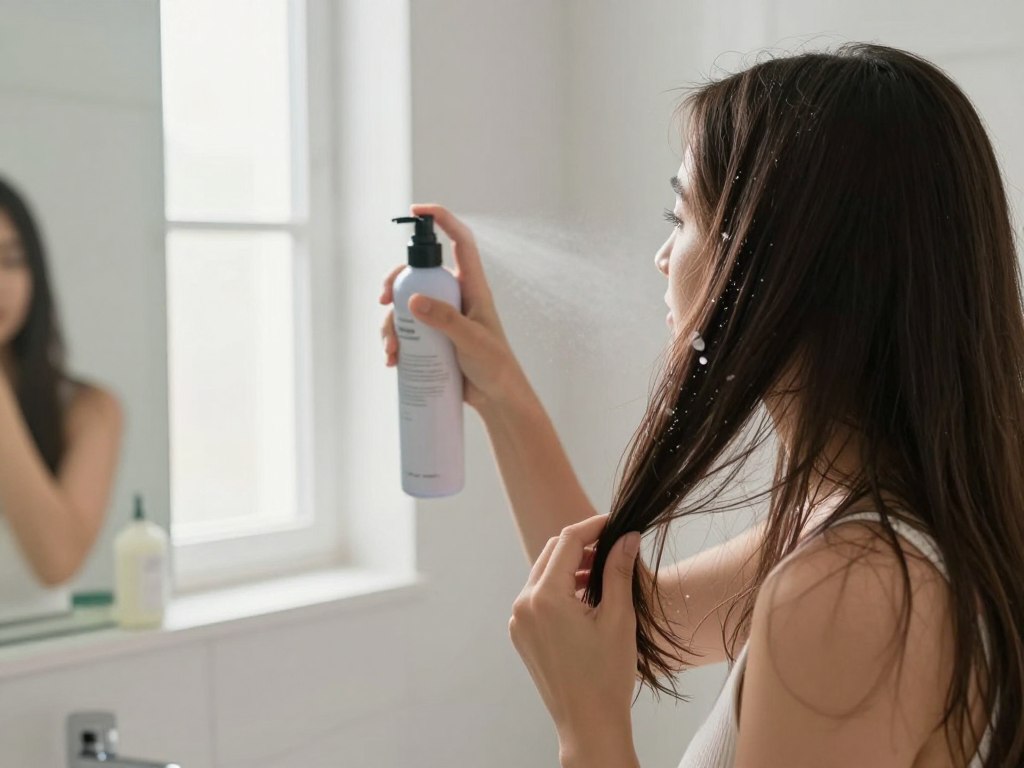
Every person’s straight hair responds differently to curl cream and styling. Experimentation helps you discover what works best. Keep notes about techniques that produce good results.
Your hair’s unique characteristics determine ideal methods. Factors like thickness, length, and porosity all matter. What works for one person might not suit your hair type.
Don’t get discouraged by initial unsuccessful attempts. Finding the right combination of product, technique, and timing takes practice. Most people need several tries to perfect their routine.
Understanding Hair Porosity and Product Absorption
Hair porosity significantly affects how curl cream performs on straight hair. Understanding your porosity level helps you choose appropriate products and application methods.
What Is Hair Porosity
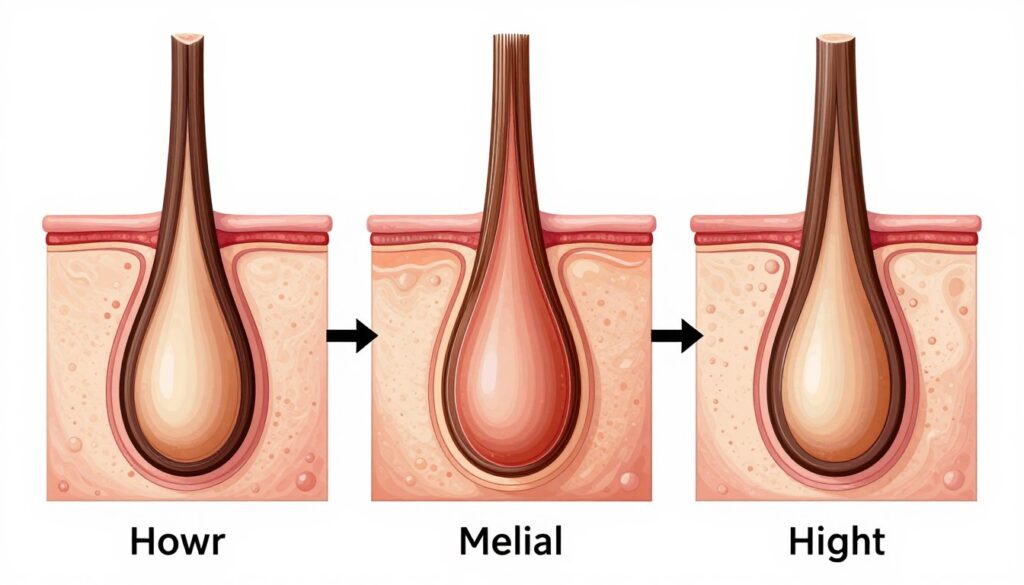
Hair porosity describes your hair’s ability to absorb and retain moisture. The cuticle layer’s condition determines porosity level. Tightly closed cuticles indicate low porosity. Raised or damaged cuticles suggest high porosity.
Porosity affects how products penetrate hair strands. Low porosity hair resists product absorption. High porosity hair absorbs products quickly but loses moisture rapidly.
Understanding your porosity helps explain why certain curl creams work better than others. It guides you toward suitable formulations and application techniques.
Low Porosity Straight Hair
Low porosity straight hair has tightly sealed cuticles. Products tend to sit on the surface rather than absorbing. This makes hair appear greasy even with small product amounts.
If you have low porosity hair, choose lightweight, liquid-based curl creams. Avoid heavy, butter-rich formulas. These will never fully absorb into your hair strands.
Applying products to very damp hair helps with low porosity. The water helps carry product into the hair shaft. You might also benefit from gentle heat during application to open cuticles slightly.
High Porosity Straight Hair
High porosity hair absorbs products readily but loses moisture quickly. The raised cuticles create rough texture. This hair type often appears dry and frizzy.
High porosity straight hair handles richer curl cream formulas better. The hair can absorb heavier moisturizers without becoming greasy. Products with sealing ingredients like oils work well.
You may need more product than low porosity individuals. Your hair drinks up moisture quickly. Reapplication might be necessary for all-day results.
Testing Your Hair Porosity
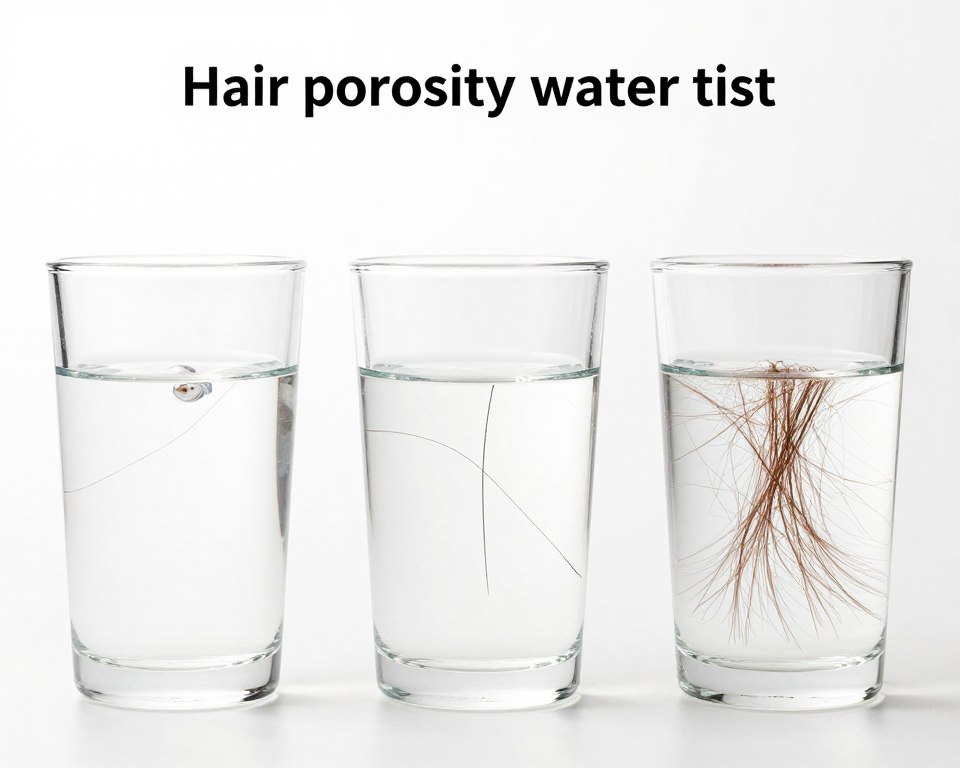
The float test provides a simple way to assess porosity. Place a clean hair strand in a glass of water. Observe where it settles after a few minutes.
Hair that floats indicates low porosity. Hair that sinks quickly suggests high porosity. Hair that hovers midway shows normal porosity. This test helps guide product selection.
Another method involves running fingers up a hair strand from tip to root. Smooth feeling indicates low porosity. Rough or bumpy texture suggests high porosity.
Porosity Pro Tip: Most straight hair tends toward low to normal porosity because it hasn’t been damaged by curl pattern tension. Choose lightweight curl creams unless your hair is chemically treated or heat-damaged, which increases porosity.
Common Mistakes and How to Avoid Them
Understanding common errors helps you achieve better results with curl cream on straight hair. Avoiding these pitfalls saves time, money, and frustration.
Using Excessive Product Amount
The most common mistake involves using too much curl cream initially. Straight hair needs less product than curly textures. Excess formula creates greasy, weighed-down results.
Start with a pea-sized amount for shoulder-length hair. You can always add more if needed. Removing excess product requires rewashing, wasting time and product.
Remember that a little curl cream goes a long way on straight hair. The smooth texture doesn’t absorb product like porous, curly hair does. Less is definitely more in this case.
Applying to Wrong Hair Condition
Many people apply curl cream to dry hair, expecting good results. This creates uneven distribution and poor absorption. The product sits on the surface rather than coating strands.
Always apply curl cream to damp hair for best results. The moisture helps spread product evenly. It also allows better penetration into the hair shaft.
Hair shouldn’t be dripping wet either. Excess water dilutes the curl cream, reducing effectiveness. Towel-dry to damp consistency before applying products.
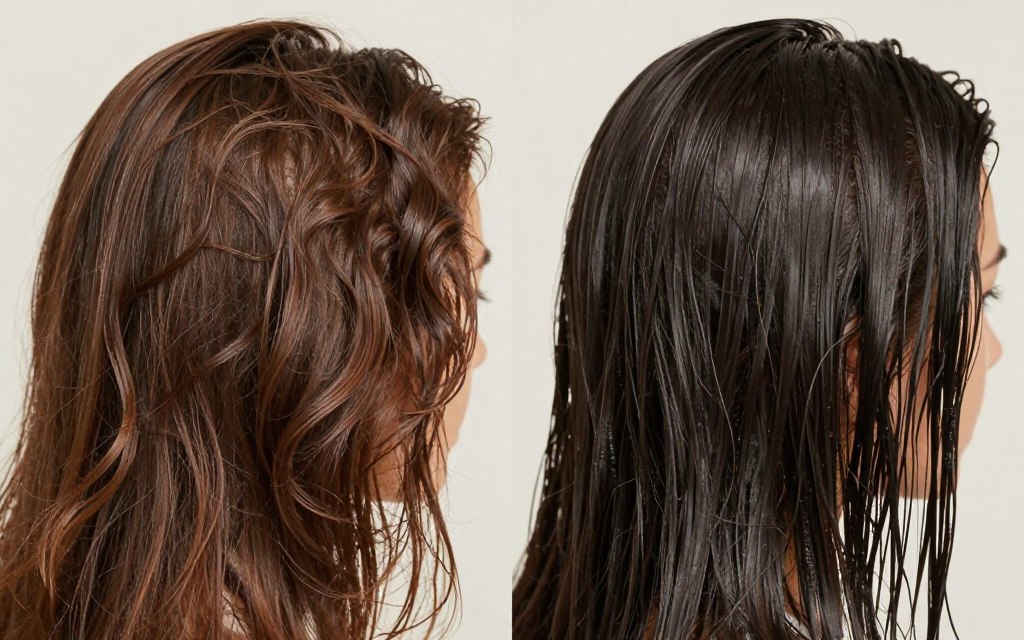
Choosing Wrong Product Formula
Selecting curl creams designed for coily hair represents another frequent error. These rich formulas overwhelm straight hair. They contain too much heavy moisturizing for smooth textures.
Read product descriptions carefully before purchasing. Look for terms like “lightweight,” “for fine hair,” or “for waves.” These indicators suggest more appropriate formulas.
Don’t assume expensive always means better for your hair type. Some luxury curl creams designed for very curly hair will perform poorly on straight strands. Formula suitability matters more than price.
Expecting Unrealistic Results
Many straight-haired people expect curl cream to create dramatic curls. When this doesn’t happen, they feel disappointed. Managing expectations prevents frustration.
Curl cream enhances existing texture rather than creating new patterns. On completely straight hair, benefits focus on moisture, smoothness, and subtle texture. Accept these limitations before purchasing.
If you want significant curl or wave on straight hair, you’ll need additional styling methods. Curl cream alone won’t transform your natural texture dramatically. Combine it with techniques like braiding or heat styling for more noticeable results.
Neglecting Hair Health Basics
Some people focus entirely on styling products while neglecting basic hair health. No amount of curl cream fixes damage from poor hair care practices.
Maintain healthy hair through regular trims, gentle washing, and minimal heat damage. Healthy hair responds better to all products, including curl cream. Damaged hair shows poor results regardless of product quality.
Use clarifying shampoo regularly to remove buildup. This keeps hair receptive to products. Buildup prevents curl cream from working effectively on straight hair.
| Common Mistake | Why It Happens | How to Fix It | Prevention Strategy |
| Too much product used | Following instructions for curly hair types | Reduce amount by half or more | Start with pea-sized amount only |
| Applying to dry hair | Convenience or misunderstanding instructions | Lightly mist hair before application | Apply only to freshly washed, damp hair |
| Wrong formula weight | Not reading product descriptions carefully | Switch to lightweight alternatives | Research formulas designed for straight or fine hair |
| Unrealistic expectations | Marketing images show dramatic curl transformations | Focus on achievable benefits like frizz control | Research realistic results for your hair type |
| Touching hair while drying | Checking results or impatience | Practice hands-off approach during drying | Keep hands occupied with other tasks |
Skipping the Learning Curve
Many people try curl cream once, get poor results, and give up immediately. Success with any new hair product requires experimentation. One attempt rarely reveals optimal technique.
Plan to try different application methods over several sessions. Adjust product amount, drying methods, and styling techniques. This trial period helps you discover what works for your unique hair.
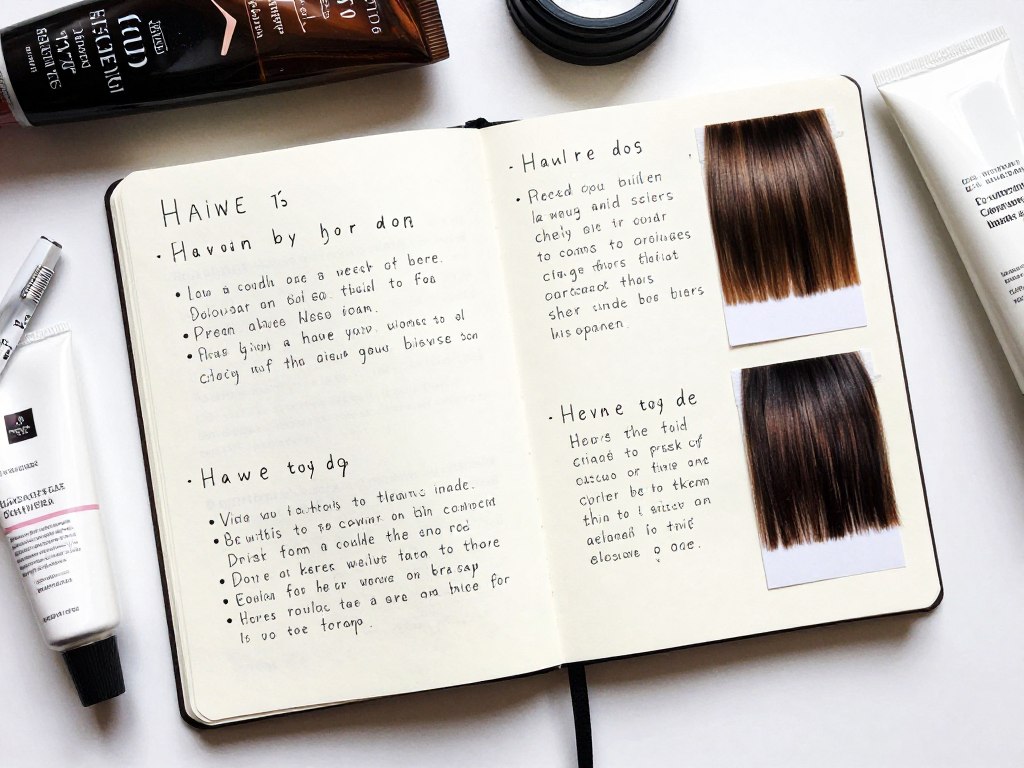
Keep simple notes about what you try and the results. This prevents repeating unsuccessful methods. It also helps you identify patterns in what works best.
Maintaining Results and Hair Health
Achieving good results with curl cream on straight hair requires ongoing maintenance. These practices help sustain benefits while keeping hair healthy.
Regular Clarifying Treatments
Clarifying shampoo removes product buildup that accumulates from curl cream use. This buildup makes hair appear dull and prevents products from working effectively. Regular clarifying maintains hair receptiveness to styling products.
Use clarifying shampoo once weekly if you use curl cream frequently. Those who apply it occasionally might clarify biweekly. Adjust frequency based on how much product you use.
Follow clarifying treatments with deep conditioning. Clarifying can be drying, so replacing moisture matters. This balance keeps hair healthy while preventing buildup.
Proper Washing Techniques
Washing straight hair correctly affects how well curl cream performs. Over-washing strips natural oils, making hair dry and frizzy. Under-washing allows buildup to accumulate.
Most straight hair types benefit from washing every other day. This maintains cleanliness without excessive drying. Adjust based on your hair’s oil production and activity level.
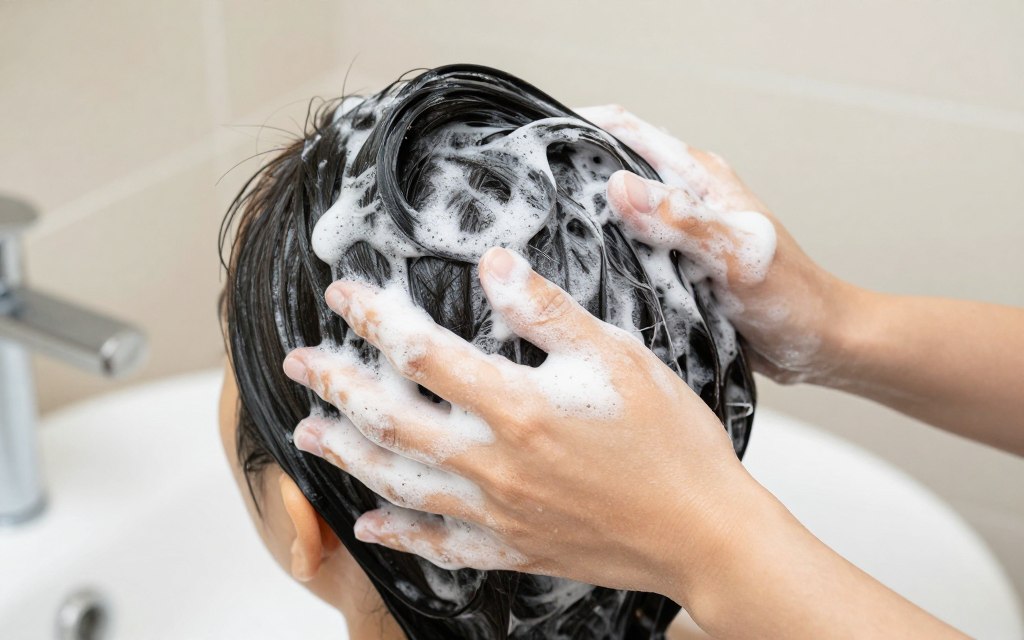
Focus shampoo on the scalp rather than lengths. Let the lather rinse through the rest of your hair. This prevents unnecessary drying of ends while cleaning roots effectively.
Deep Conditioning Routine
Weekly deep conditioning treatments keep straight hair healthy when using styling products regularly. These treatments provide intensive moisture and repair. They counteract any drying effects from curl cream ingredients.
Apply deep conditioner primarily to mid-lengths and ends. These areas need the most moisture. Roots typically don’t require intensive conditioning, especially on straight hair that tends toward oiliness.
Leave treatments on for recommended time periods. Rushing reduces effectiveness. Use this time for other shower tasks to make the process efficient.
Protecting Hair During Sleep
Nighttime protection prevents damage and maintains styling results. Cotton pillowcases create friction that damages hair cuticles. They also absorb moisture from hair products.
Switch to satin or silk pillowcases to reduce friction. These smooth fabrics prevent tangles and breakage. They help maintain curl cream benefits overnight.
Consider loose braiding for longer straight hair before bed. This prevents tangling without creating unwanted texture. The gentle containment protects hair while you sleep.
Daily Maintenance Tips
- Use wide-tooth comb on wet hair only
- Avoid excessive touching throughout day
- Refresh texture with water mist if needed
- Protect hair from harsh environmental elements
- Keep hands clean before touching styled hair
- Use minimal heat styling when possible
Weekly Care Routine
- Clarify hair to remove product buildup
- Apply deep conditioning treatment
- Trim split ends as needed
- Wash styling tools and brushes
- Assess product performance and adjust
- Plan next week’s styling approach
Seasonal Adjustments
Different weather conditions require product and routine adjustments. Humidity levels significantly affect straight hair styled with curl cream. Adapting your approach maintains consistent results.
Summer humidity requires stronger hold products or anti-humidity formulas. Consider using less curl cream and more anti-frizz serum. The combination fights moisture-induced frizz more effectively.
Winter dryness needs extra moisturizing. Increase curl cream amount slightly or add moisturizing oil. Indoor heating dries hair significantly, requiring enhanced hydration.
Cost-Benefit Analysis of Curl Cream for Straight Hair
Evaluating whether curl cream makes financial sense for straight hair helps guide purchasing decisions. Consider both monetary costs and time investment.
Initial Investment Considerations
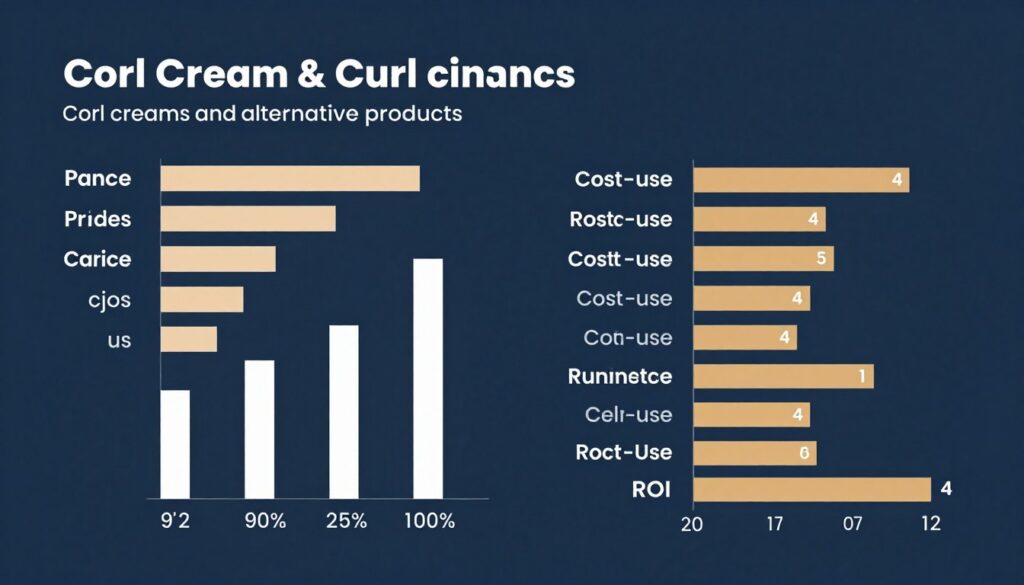
Quality curl creams typically cost between fifteen and forty pounds. Premium celebrity or salon brands may exceed this range. This represents significant investment compared to basic styling products.
Factor in the possibility of purchasing multiple products before finding one that works. Many straight-haired people try three to five different curl creams initially. This experimentation phase increases total investment.
Consider sample sizes or travel versions for initial testing. Many brands offer smaller sizes at lower prices. This reduces financial risk while you determine product suitability.
Long-Term Usage Costs
Curl cream typically lasts two to four months with regular use on straight hair. Straight hair requires less product per application than curly textures. This extends product longevity significantly.
Calculate cost per use rather than focusing on bottle price alone. A forty-pound cream lasting four months costs approximately ten pounds monthly. This perspective helps evaluate true expense.
Compare this to alternative products that achieve similar goals. If texturizing spray costing fifteen pounds delivers comparable results and lasts three months, it offers better value. Make informed comparisons.
Time Investment Assessment
Beyond money, consider time required for curl cream application and styling. If the process adds thirty minutes to your routine, evaluate whether results justify this investment.
Calculate the weekly time commitment. Thirty minutes per application, three times weekly equals ninety minutes. Consider if your schedule accommodates this addition.
Compare time requirements to alternative styling methods. Heat styling might take less time but causes more damage. Air drying with curl cream takes longer but promotes healthier hair. Determine which trade-off suits your priorities.
Value of Results Achieved
Assess the actual benefits you receive from curl cream on your straight hair. If it provides noticeable texture, reduced frizz, and improved appearance, the investment may prove worthwhile.
However, if results seem minimal or you could achieve similar outcomes with cheaper products, curl cream might not offer good value. Be honest about the improvements you observe.
Consider intangible benefits too. If using curl cream makes you feel more confident about your appearance, this holds value. Personal satisfaction factors into cost-benefit analysis.
| Factor | Curl Cream | Texturizing Spray | Volumizing Mousse | Hair Oil/Serum |
| Average Cost | £20-40 | £10-25 | £8-20 | £12-35 |
| Longevity (Straight Hair) | 3-4 months | 2-3 months | 2-3 months | 4-6 months |
| Application Time | 15-30 minutes | 5-10 minutes | 10-15 minutes | 2-5 minutes |
| Primary Benefit | Texture enhancement + moisture | Quick texture + volume | Maximum volume + light hold | Shine + frizz control |
| Best For Straight Hair | With slight natural wave | All straight hair types | Fine, flat straight hair | All straight hair types |
Making the Investment Decision
Decide whether curl cream makes sense based on your specific situation. If your straight hair has subtle natural movement you want to enhance, the investment may prove worthwhile.
For completely straight hair with zero natural texture, alternative products likely offer better value. They provide similar benefits at lower costs with less time investment.
Consider starting with drugstore options rather than luxury brands initially. Test whether the product category works for you before investing in premium formulas.
Frequently Asked Questions
Will curl cream damage my straight hair?
No, curl cream will not damage straight hair when used correctly. These products contain moisturizing ingredients that actually benefit hair health. However, buildup from overuse can make hair appear unhealthy. Use clarifying shampoo regularly to prevent accumulation. Choose formulas without harsh chemicals like sulfates or excessive alcohol for best hair health results.
How long do results from curl cream last on straight hair?
Results typically last until the next hair wash. Some benefits like frizz control may diminish slightly by day two, especially in humid conditions. The longevity depends on your hair type, environmental conditions, and the specific curl cream formula used. Refreshing with a light water mist and small amount of product can extend results between washes.
Can I use curl cream every day on straight hair?
Yes, you can use curl cream daily if you wash your hair frequently. However, most people don’t need daily application on straight hair. Every other day or every third day typically suffices. Daily use increases risk of buildup, requiring more frequent clarifying treatments. Listen to your hair and adjust frequency based on how it looks and feels.
What’s the difference between curl cream and regular hair cream?
Curl creams contain specific ingredients designed to enhance and define natural texture. They typically include more holding agents and curl-enhancing proteins like rice amino acids. Regular hair creams focus primarily on moisture without texture enhancement. Curl creams also usually provide better frizz control through specialized formulations. The texture differences make curl cream more suitable for creating styled looks rather than simply conditioning hair.
Should I apply curl cream to wet or damp hair?
Apply curl cream to damp hair for best results. Hair should be towel-dried so it’s moist but not dripping wet. Excess water dilutes the product and reduces effectiveness. Completely dry hair doesn’t allow even distribution. The damp state provides ideal conditions for product absorption and styling on straight hair. Pat hair with a microfiber towel to achieve the right moisture level.
Can curl cream make straight hair permanently curly?
No, curl cream cannot permanently change your hair’s natural texture. It only provides temporary styling effects that last until you wash your hair. The product works with your existing hair structure rather than altering it. For permanent texture change, you would need chemical treatments like perms. Curl cream enhances whatever subtle movement exists but won’t create curls where there’s no natural pattern.
Is curl cream better than mousse for straight hair?
Neither product is universally better; they serve different purposes. Mousse excels at creating volume and providing light hold on straight hair. It works faster and doesn’t require as much drying time. Curl cream offers more moisture and can enhance subtle texture better. Choose mousse for volume-focused styling and curl cream for texture enhancement with moisture benefits. Some people use both products together for comprehensive results.
Why does my straight hair look greasy after using curl cream?
Greasy appearance usually results from using too much product or choosing a formula that’s too heavy for straight hair. Start with a much smaller amount than the package suggests. Select lightweight formulas specifically designed for fine or wavy hair rather than coily textures. Apply primarily to mid-lengths and ends, avoiding roots. If greasiness persists, try washing the product out and starting fresh with a different, lighter formula.
Can I use curl cream with heat styling tools on straight hair?
Yes, but with proper precautions. Many curl creams offer heat protection, making them suitable for use before blow-drying or styling. Check your specific product’s heat protection rating. Let hair partially air dry after applying curl cream before using hot tools. Keep heat settings moderate to prevent product burning. The combination can help create and maintain texture on straight hair more effectively than either method alone.
How do I remove curl cream buildup from straight hair?
Use a clarifying shampoo to remove buildup effectively. These specialized shampoos contain stronger cleansing agents that strip away product residue. Apply clarifying shampoo to wet hair, massage thoroughly, and let sit for two to three minutes before rinsing. Follow with a deep conditioner to restore moisture. Perform this treatment weekly if you use curl cream regularly, or biweekly for occasional users. Some people benefit from apple cider vinegar rinses as a natural clarifying alternative.
Final Thoughts on Curl Cream for Straight Hair
Curl cream can work on straight hair, but results differ significantly from its effects on naturally curly textures. The product won’t transform completely straight hair into curls. However, it offers valuable benefits including moisture, frizz control, and enhancement of subtle natural movement.
Success depends on choosing appropriate lightweight formulas designed for your hair type. Heavy curl creams marketed to coily hair will overwhelm straight strands. Proper application technique matters as much as product selection.
Consider your specific hair goals before investing in curl cream. If you primarily seek volume, mousse might serve you better. For frizz control and shine, hair oils offer simpler solutions. Curl cream works best when you want to enhance existing subtle texture while gaining moisture benefits.
Realistic expectations prevent disappointment. Curl cream provides modest texture enhancement rather than dramatic transformation on straight hair. The investment makes sense if you value these subtle improvements and are willing to experiment with application techniques.
Alternative products often deliver similar results at lower costs with less time investment. Evaluate whether curl cream’s specific benefits justify the premium price and application effort for your situation.
Ultimately, the decision depends on your individual hair characteristics, styling preferences, and budget. Many straight-haired people find value in lightweight curl creams, while others achieve their goals more effectively with alternative products. Experimentation helps you discover what works best for your unique needs.
Ready to Find Your Perfect Hair Texture Solution?
Whether you choose curl cream or alternative products, finding the right formula transforms your hair routine. Explore curated collections of lightweight styling products specifically suited for straight hair types. Discover products that enhance your natural beauty without overwhelming your hair.
Remember: Every person’s hair responds uniquely to styling products. What works beautifully for one individual might not suit another with seemingly similar hair. Give yourself permission to experiment, make mistakes, and gradually discover the perfect routine for your specific hair type and lifestyle needs.